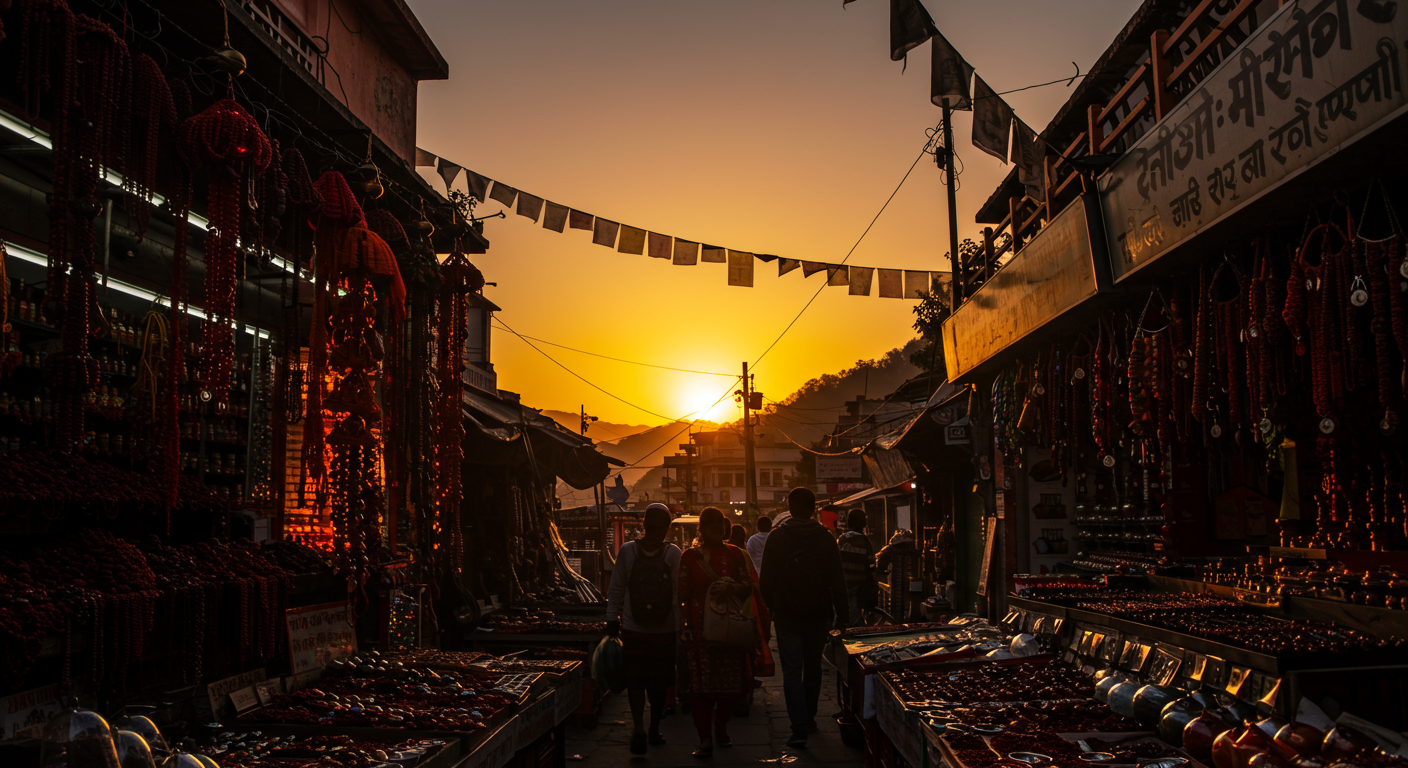
The gentle murmur of the Ganges, the distant chime of temple bells, and the invigorating scent of the Himalayan foothills – this is the sensory tapestry that greets you in Rishikesh. Most travellers don’t realise that navigating this spiritual hub effectively is key to unlocking its true magic. While the allure of yoga and adventure calls, understanding rishikesh transport & getting around nuances is your first step towards an unforgettable journey. Forget the stress of unreliable taxis or missed connections; this comprehensive guide will equip you with all the practical knowledge you need to move seamlessly through this vibrant town in 2026. We’ll dive deep into local options, costs, and insider tips, ensuring your focus remains on spiritual growth or adrenaline-pumping activities, not on logistics.
Understanding Rishikesh Transport & Getting Around: Why It Matters
For many, the charm of Rishikesh lies in its walkable core, particularly around the Laxman Jhula and Ram Jhula areas. However, the town is more spread out than it appears on a map, with key attractions, ashrams, and adventure sports starting points often requiring a deeper understanding of local transit. Effective rishikesh transport & getting around in rishikesh isn’t just about reaching your destination; it’s about experiencing the local rhythm, saving precious vacation time, and ensuring your safety. Without a clear plan, you might find yourself overpaying for rides, getting stuck in traffic, or missing out on hidden gems just a short journey away.
The Lay of the Land: Zones and Connectivity
Rishikesh is broadly divided into several key zones, each with its own character and connectivity challenges. The main areas are Rishikesh Town (the commercial hub), Muni Ki Reti (home to many ashrams and the bus stand), and the iconic twin suspension bridges, Ram Jhula and Laxman Jhula, which span the Ganges. The area around these bridges is largely pedestrian, offering a delightful experience of narrow lanes, cafes, and shops. However, venturing further afield to places like Parmarth Niketan, The Beatles Ashram (Chaurasi Kutia), or even the starting points for rafting and trekking, demands a grasp of the best transport options. Connectivity across Rishikesh’s diverse terrains, from bustling markets to serene riverside paths, varies significantly.
Why Smart Travel Enhances Your Rishikesh Experience
Imagine missing a sunrise yoga session at Parmarth Niketan because you couldn’t find a reliable auto-rickshaw, or arriving late for a rafting expedition due to unexpected traffic. These are common pitfalls for unprepared travellers. By mastering best rishikesh transport & getting around in rishikesh, you gain invaluable flexibility and peace of mind. You can effortlessly switch from meditating by the Ganges to hiking to Neer Garh Waterfall, or exploring the ancient Rishikund. Knowing your options allows you to budget effectively, avoid tourist traps, and immerse yourself more deeply in the local culture, rather than constantly worrying about your next ride.
How To Do It: Practical Step-by-Step Guide to Rishikesh Transport
🏔️ Plan Your Rishikesh Adventure
Discover and book the best adventure activities, cultural experiences, and stays in Rishikesh — all verified, certified, and available with instant confirmation on Bucketlistt!
Navigating the local transportation landscape might seem daunting at first, but with a few practical insights, you’ll be moving like a local. From arriving at the nearest airport or railway station to zipping around town, here’s your step-by-step guide to efficient rishikesh transport & getting around.
You might also be interested in: Read more about: Unlocking Value: The Best Hotels in Rish…
Arriving in Rishikesh: Airports, Trains, and Buses
Your journey to Rishikesh typically begins with arrival at one of the following points:
- Jolly Grant Airport (Dehradun – DED): This is the nearest airport, located about 20 km from Rishikesh.
- Taxi: Pre-paid taxis are readily available outside the terminal. Expect to pay around INR 900-1200 for a one-way trip to your accommodation in Rishikesh. The ride takes about 45-60 minutes, depending on traffic. This is often the most convenient option, especially if you have luggage or arrive late.
- Shared Cabs/Buses: Cheaper shared taxis or local buses operate from the airport exit, but they might involve transfers and can be less comfortable. A shared cab might cost INR 200-300 per person.
- Rishikesh Railway Station (RKSH): Located in Rishikesh town, this station has limited connectivity.
- Auto-rickshaws/Cycle-rickshaws: From the station, you can easily find auto-rickshaws or cycle-rickshaws to take you to your specific destination near Ram Jhula or Laxman Jhula. Fares typically range from INR 50-150 depending on distance and negotiation.
- Haridwar Railway Station (HW): This is a major railway hub, well-connected to most Indian cities, about 25 km from Rishikesh.
- Taxi/Shared Auto: Taxis cost around INR 600-800. Shared autos (Vikrams) are a popular and economical option, costing INR 50-70 per person, taking about 45-60 minutes. They drop you at the Rishikesh bus stand, from where you can take another auto.
- Bus: State-run and private buses frequently ply between Haridwar and Rishikesh, costing around INR 40-60.
- Rishikesh Bus Stand: Located in Muni Ki Reti, this is the main drop-off point for buses from various cities.
- Auto-rickshaws: Plenty of auto-rickshaws wait here to take you to your hotel or ashram.
Getting Around Town: Local Options and Costs
Once you’re settled, exploring Rishikesh itself offers several modes of transport. To ensure the best rishikesh transport & getting around in rishikesh experience, consider these options:
- Walking: The areas around Ram Jhula and Laxman Jhula are best explored on foot. This allows you to soak in the atmosphere, discover hidden temples, and enjoy riverside views. Be prepared for uneven paths and occasional crowds.
- Auto-rickshaws (Tuk-tuks): These are the most common and convenient way to cover short to medium distances. Fares are usually negotiable, so always agree on a price before starting your journey.
- Typical Fares (2026 estimates):
- Rishikesh Bus Stand to Ram Jhula/Laxman Jhula: INR 80-150
- Ram Jhula to The Beatles Ashram: INR 150-250
- Laxman Jhula to Neer Garh Waterfall base: INR 200-300
- Tip: Many auto drivers offer full-day services in Rishikesh for sightseeing at a fixed rate (e.g., INR 1200-1800 for 6-8 hours). This can be cost-effective if you plan to visit multiple distant spots.
- Typical Fares (2026 estimates):
- Shared Auto-rickshaws (Vikrams): These operate on fixed routes and are extremely economical. Look for them at designated stands or hail them on main roads. They’re great for experiencing local life but can be crowded.
- Two-wheeler Rentals: For the adventurous, renting a scooter or motorcycle provides ultimate flexibility. Several shops near Ram Jhula and Laxman Jhula offer rentals for INR 400-800 per day. Ensure you have a valid driving license and check the vehicle’s condition carefully.
- Taxis/Private Cabs: For longer excursions or comfort, private taxis can be booked through hotels or local operators. They are more expensive but offer door-to-door service and can be ideal for day trips to nearby attractions like Neelkanth Mahadev Temple or exploring Jhilmil Gufa.
Expert Tip: Always carry small denominations of Indian Rupees (INR). Many auto-rickshaw drivers may not have change for large bills, especially for shorter rides. Also, don’t hesitate to politely bargain for fares; it’s part of the local culture, but do so respectfully.
Insider Tips & Best Practices for Getting Around
To truly master rishikesh transport & getting around, you need more than just a list of options; you need insider knowledge. These tips will help you navigate like a seasoned traveller and ensure a truly enriching experience.
You might also be interested in: Read more about: Optimizing Tourism Revenue: Economic Str…
Timing Your Travels and Avoiding Pitfalls
The best time to visit Rishikesh is from September to November and from February to May, when the weather is pleasant. During these peak seasons, traffic can be heavier, especially around the bridges. Try to schedule your longer journeys or visits to popular spots like The Beatles Ashram or Parmarth Niketan during early mornings to avoid the rush. Weekends and major festival dates (like Diwali or Maha Shivaratri) see a significant influx of pilgrims and tourists, making local transport more challenging and potentially pricier. If you plan to visit Neer Garh Waterfall, go early to enjoy the tranquility before the crowds arrive. For a truly unique experience, consider exploring the sacred Rishikund during the early morning hours, reflecting the Shani temple in its waters, a peaceful contrast to the bustling ghats.
Safety, Etiquette, and Local Nuances
When using local transport, especially auto-rickshaws, always be mindful of your belongings. While Rishikesh is generally safe, petty theft can occur in crowded areas. It’s advisable to carry your backpack or purse on your lap rather than placing it on an empty seat beside you. For solo female travellers, opting for well-lit routes or trusted services after dark is recommended. Some local transport experts in Rishikesh advise using ride-hailing apps where available, or asking your accommodation to arrange trusted taxi services. Remember, modesty in dress is appreciated, particularly when visiting temples or ashrams, regardless of your mode of transport.
One genuinely local tip is to embrace the footbridges. While autos can take you to the vicinity of Ram Jhula or Laxman Jhula, these bridges are pedestrian-only. Instead of trying to find an auto that can drop you exactly where you want, often a short walk across these iconic structures offers the best views and a chance to truly connect with the spiritual energy of the Ganges. The area around Jhilmil Gufa, an underrated gem for meditation, is best accessed by hiring a private taxi or scooter, as public transport options are limited and the path involves some walking through forested areas.
Practical Conclusion for Your Rishikesh Journey
Embarking on a journey to Rishikesh promises an experience unlike any other, whether you seek spiritual solace, thrilling adventure, or simply a tranquil escape. By truly understanding rishikesh transport & getting around, you lay the groundwork for a visit that is both enriching and stress-free. Remember these key takeaways: plan your arrivals and departures wisely, leverage the diverse local transport options like auto-rickshaws and two-wheelers, and always account for the unique geographical layout of the town.
You might also be interested in: Explore Rishikesh Adventures on Bucketlistt
Your ability to move efficiently will free you to immerse yourself fully in the vibrant culture, explore sacred sites like Parmarth Niketan, wander through the historic Beatles Ashram, or marvel at the natural beauty of Neer Garh Waterfall. Don’t let logistical worries detract from your spiritual or adventurous pursuits. With this guide, you’re now equipped to make the most of every moment in this captivating destination. Start planning your explore all Rishikesh adventures on Bucketlistt today, confident in your ability to navigate its charms with ease.
For a curated list of verified operators and packages, you can explore options on Bucketlistt.
Rishikesh is one of those rare destinations that genuinely delivers on its reputation — whether you come for the adrenaline, the spirituality, or simply to sit by the Ganga and think. This guide covered best rishikesh transport & getting around in rishikesh, rishikesh transport & getting around, rishikesh transport & getting around in rishikesh, giving you the practical knowledge to plan a memorable visit. If you want a curated list of verified operators and activity packages, you can browse options on Bucketlistt.
Frequently Asked Questions about Rishikesh Transport & Getting Around
What is the best way to travel from Delhi to Rishikesh?
The most common ways are by train to Haridwar (followed by a short taxi/auto ride to Rishikesh), by overnight bus, or by flight to Jolly Grant Airport (Dehradun), which is then a 45-minute taxi to Rishikesh. Each option offers varying levels of comfort and cost.
Are auto-rickshaws safe for getting around in Rishikesh?
Yes, auto-rickshaws are generally safe and a primary mode of transport for getting around in Rishikesh. Always negotiate the fare before starting your journey, and for late-night travel, consider booking through your hotel or using a known service.
Can I rent a scooter or motorcycle in Rishikesh?
Absolutely, two-wheeler rentals are widely available near the main tourist areas like Ram Jhula and Laxman Jhula. They offer great flexibility for exploring, but ensure you have a valid driving license and always wear a helmet.
How do I get to The Beatles Ashram from the main Rishikesh areas?
The Beatles Ashram (Chaurasi Kutia) is located across the Ganges from Laxman Jhula. You can take an auto-rickshaw from Muni Ki Reti or Rishikesh town, or walk across Laxman Jhula and then take a short auto ride or walk further to reach the ashram’s entrance.
What are the typical costs for local Rishikesh transport?
Local auto-rickshaw rides typically range from INR 50-250 depending on the distance and your negotiation skills. Shared autos are cheaper, around INR 20-70. Day rentals for scooters are INR 400-800, while private taxis for day trips can cost INR 1200-2000.
Are there any specific challenges for transport during monsoon season in Rishikesh?
During monsoon (July-August), roads can be slippery, and landslides might cause temporary closures, especially on routes to higher-altitude attractions. It’s advisable to check weather and road conditions before planning travel, and be prepared for delays in Rishikesh transport & getting around.
Is it easy to find transport late at night in Rishikesh?
Finding transport late at night can be more challenging and expensive, especially outside the main areas. It’s best to pre-arrange taxis or stick to well-populated areas if you need to travel after 9-10 PM. Most services in Rishikesh operate primarily during daylight hours.
Are there any special considerations for getting around Rishikesh with children or elderly travellers?
For families or elderly travellers, private taxis or pre-booked cabs offer more comfort and convenience compared to auto-rickshaws or walking long distances. Be mindful of uneven paths and steep climbs, especially around the ghats and bridges, when planning your daily itinerary.