
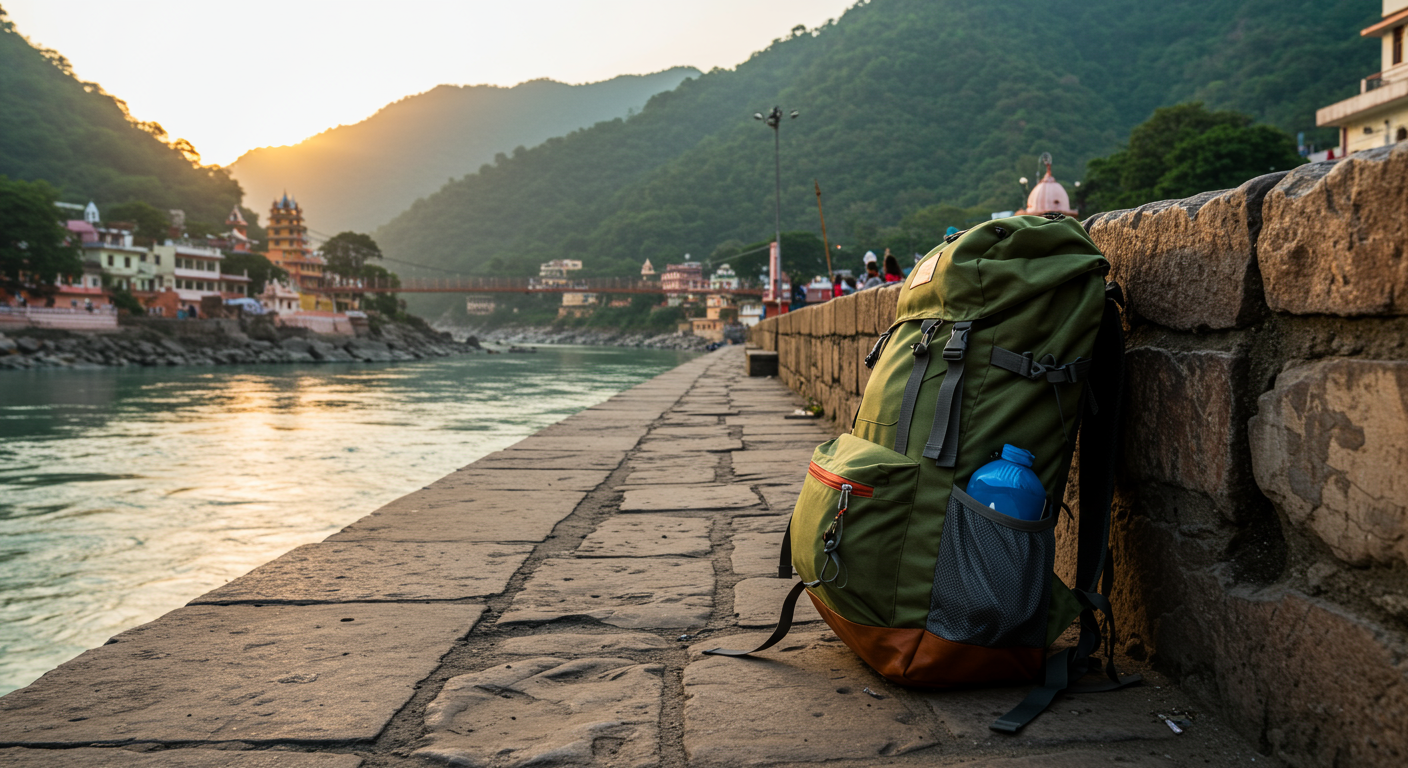
Embarking on Your Rishikesh Journey: When to Go
The gentle murmur of the Ganges, the crisp mountain air, and the distant chants from ashrams – Rishikesh is a destination that captivates the soul. But for an truly unforgettable experience, knowing the best time to visit Rishikesh is paramount. Most travellers don’t realise that Rishikesh has two completely different personalities depending on the season, offering varied experiences from tranquil spiritual retreats to thrilling adventure sports. This guide will cut through the noise, providing practical answers to your burning questions about when to plan your trip, ensuring you discover the magic of this holy city at its finest.
From the bustling ghats of Parmarth Niketan to the serene trails leading to Neer Garh Waterfall, your timing can make or break your adventure. I’ve spent extensive periods exploring this vibrant hub in Uttarakhand, and I’m here to share the insider knowledge on securing the best time to visit Rishikesh, whether you seek spiritual solace, adrenaline-pumping activities, or simply a peaceful escape. We’ll delve into seasonal nuances, practical considerations, and those local secrets that transform a good trip into a truly exceptional one. Planning your visit around the ideal weather and event calendar is key to enjoying the spiritual heart of India.
Understanding Rishikesh’s Seasons: What to Expect and Why It Matters
Rishikesh, nestled in the foothills of the Himalayas, experiences distinct seasons, each offering a unique flavour. Choosing the best time to visit Rishikesh hinges entirely on what you hope to gain from your journey. Are you dreaming of white-water rafting on the Ganges, deep spiritual introspection at an ashram, or trekking through lush, green landscapes? Your answer will guide you to your perfect season.
The Ideal Window: Autumn and Winter (October to March)
For most visitors, the period from October to March is hands down the best time to visit Rishikesh. The weather during these months is exceptionally pleasant, making it ideal for sightseeing, outdoor activities, and spiritual practices. The monsoon rains have receded, leaving behind a refreshed landscape, and the air is clear and invigorating. Daytime temperatures range from a comfortable 15°C to 25°C, perfect for exploring the vibrant markets, attending Ganga Aarti, or embarking on hikes. Evenings can get chilly, especially in December and January, sometimes dropping to 5°C, so packing warm layers is essential. This is also when the water levels in the Ganges are optimal for river rafting, attracting adventure enthusiasts from across the globe. It’s truly the best time to visit Rishikesh in Rishikesh for a balanced experience.
Summer and Monsoon: Challenges and Unique Charms (April to September)
While often overlooked, the summer months (April to June) and the monsoon season (July to September) offer different, albeit more challenging, experiences in Rishikesh. Summers can be intensely hot, with temperatures soaring past 40°C, making daytime exploration uncomfortable. However, this might be the best time to visit Rishikesh for those seeking a quiet retreat, as crowds are thinner. The monsoon season transforms the landscape into a verdant paradise, but heavy rainfall can disrupt travel plans, cause landslides, and make river activities unsafe. The Ganges swells dramatically, and the sound of its rushing waters is truly powerful. For a unique, introspective journey, particularly for those interested in the lush, spiritual side of the region, this can still be a valuable time, provided you are prepared for the weather. Phool Chatti Ashram Area, for instance, becomes incredibly verdant and peaceful during these months.
You might also be interested in: Read more about: Forecasting Future Tourism: Key Industry…
Planning Your Rishikesh Adventure: Practical Step-by-Step Guide
Once you’ve zeroed in on your preferred season, the next step is to plan the practicalities. Rishikesh is a relatively easy destination to navigate, but a little foresight goes a long way in ensuring a smooth and enjoyable trip. Getting to Rishikesh is straightforward, whether by air, train, or road.
Getting There and Around: Travel Logistics
The nearest airport is Jolly Grant Airport (DED) in Dehradun, approximately 35 km from Rishikesh. From there, taxis are readily available, costing around INR 1000-1500 for a comfortable ride to your accommodation. Rishikesh also has its own railway station, though many prefer to arrive at Haridwar Junction, which is a major railhead and well-connected, just an hour’s drive away. Buses from Delhi and other major cities are frequent and affordable, offering a scenic journey. Once in Rishikesh, local transportation includes shared autos (tuk-tuks), private taxis, and rented scooters. Walking is also a fantastic way to explore the main areas, especially around the Lakshman Jhula and Ram Jhula bridges. For exploring further afield, like the Garud Chatti Waterfall, hiring a local taxi for the day is often the best solution in Rishikesh.
Here’s a quick checklist for your travel preparations:
- Accommodation: Book in advance, especially during peak season (October-March), to secure the best time to visit Rishikesh. Options range from budget guesthouses to luxury resorts and ashrams.
- Packing:
- October-March: Layers are key. Light jackets, sweaters, scarves, and warm socks for evenings. Comfortable walking shoes.
- April-June: Light cotton clothing, wide-brimmed hat, sunscreen, sunglasses.
- July-September: Waterproof jacket, umbrella, quick-drying clothing, insect repellent, sturdy waterproof footwear.
- Essentials: Reusable water bottle, basic first-aid kit, power bank, Indian SIM card (if needed).
- Safety: Rishikesh is generally safe, but always be aware of your surroundings, especially at night. Avoid isolated areas.
Budgeting Your Rishikesh Trip: Costs and Duration
A trip to Rishikesh can be tailored to various budgets. A comfortable mid-range budget for a solo traveler might be around INR 2000-4000 per day, covering decent accommodation, meals, and local transport. This would be for a trip during the best time to visit Rishikesh, which is also the peak season. High-end experiences can, of course, cost significantly more, while budget travelers can manage on INR 1000-1500 per day by staying in ashrams or hostels and eating at local eateries. For a truly immersive experience, I recommend spending at least 3-5 days in Rishikesh. This allows ample time to explore the main attractions like Parmarth Niketan, visit The Beatles Ashram, hike to Neer Garh Waterfall, and participate in yoga or meditation classes without feeling rushed. If you plan to include river rafting or a longer trek, extend your stay accordingly. For those seeking the best best time to visit Rishikesh in Rishikesh, consider extending your stay to fully embrace the spiritual and adventurous offerings.
You might also be interested in: Read more about: Soar Higher: The Ultimate SCAD Jump Rish…
Insider Tips & Best Practices for Your Rishikesh Visit
Having explored Rishikesh extensively, I’ve gathered some invaluable tips that will elevate your experience beyond the typical tourist itinerary. These insights will help you maximise your visit, especially during the best time to visit Rishikesh.
Beyond the Obvious: Local Secrets and Underrated Gems
While Parmarth Niketan and Lakshman Jhula are must-sees, Rishikesh holds many quieter treasures. For a truly peaceful experience, venture to the Phool Chatti Ashram Area. This stretch of riverbanks is less crowded than the main ghats and offers serene walking trails, perfect for meditation or simply enjoying the Ganges without the bustle. Another hidden marvel is the Garud Chatti Waterfall, located off the Neelkanth temple road. It’s a slightly off-the-beaten-path spot, offering a refreshing escape and a beautiful, natural setting that few tourists discover. Visiting these places early in the morning, especially during the ideal weather of October to March, allows for moments of true solitude. This is when you’ll find the best solutions in Rishikesh for quiet contemplation.
“To truly connect with the spirit of Rishikesh, rise with the sun. The early mornings, particularly between 5 AM and 7 AM, offer a profound silence on the ghats and trails that is rarely experienced later in the day. It’s the city’s most authentic self.”
Seasonal Nuances and Avoiding Common Pitfalls
Even during the best time to visit Rishikesh, there are nuances to consider. During festivals like Diwali (October/November) or Shivratri (February/March), the town can become incredibly crowded. While vibrant, this might not be ideal if you’re seeking peace. Book accommodation and activities well in advance if travelling during these times. Conversely, if you visit just before or after the peak season, say in late September or early April, you might catch pleasant weather with fewer crowds and potentially better deals. Always carry cash, as many smaller shops and eateries in Rishikesh prefer it, though ATMs are widely available. Respect local customs and dress modestly, especially when visiting temples or ashrams. For those seeking the best time to visit Rishikesh in Rishikesh for yoga and spiritual retreats, the cooler, less humid months are perfect for sustained practice.
Frequently Asked Questions about the Best Time to Visit Rishikesh
What is the absolute best time to visit Rishikesh for all activities?
The period from October to March is widely considered the absolute best time to visit Rishikesh. The weather is pleasant, ideal for both spiritual practices and adventure sports like rafting, making it perfect for every type of traveller.
You might also be interested in: Explore Rishikesh Adventures on Bucketlistt
Which month is ideal for river rafting in Rishikesh?
For river rafting, the months of October to mid-December and again from mid-February to April offer the best conditions. The water levels are optimal, and the weather is cool enough to enjoy the thrill without discomfort, truly the best best time to visit Rishikesh in Rishikesh for adventure.
Is it safe to visit Rishikesh during the monsoon season?
Visiting Rishikesh during monsoon (July-September) is generally safe, but requires caution. Heavy rains can lead to landslides and make river activities unsafe. It offers a unique, lush landscape, but it’s not the best time to visit Rishikesh for outdoor adventures.
What should I wear when visiting Rishikesh in winter?
In winter (December-February), pack warm layers including sweaters, jackets, scarves, and hats, especially for evenings and early mornings. Daytime can be mild, but temperatures drop significantly after sunset. Comfortable walking shoes are also essential for exploring Rishikesh.
How many days are recommended for a first-time visit to Rishikesh?
For a comprehensive first-time visit, I recommend at least 3 to 5 days in Rishikesh. This allows you to explore major attractions, participate in yoga, enjoy the Ganges, and perhaps try an adventure activity without
Rishikesh is one of those rare destinations that genuinely delivers on its reputation — whether you come for the adrenaline, the spirituality, or simply to sit by the Ganga and think. This guide covered best best time to visit rishikesh in rishikesh, best time to visit rishikesh, best time to visit rishikesh in rishikesh, giving you the practical knowledge to plan a memorable visit. If you want a curated list of verified operators and activity packages, you can browse options on Bucketlistt.