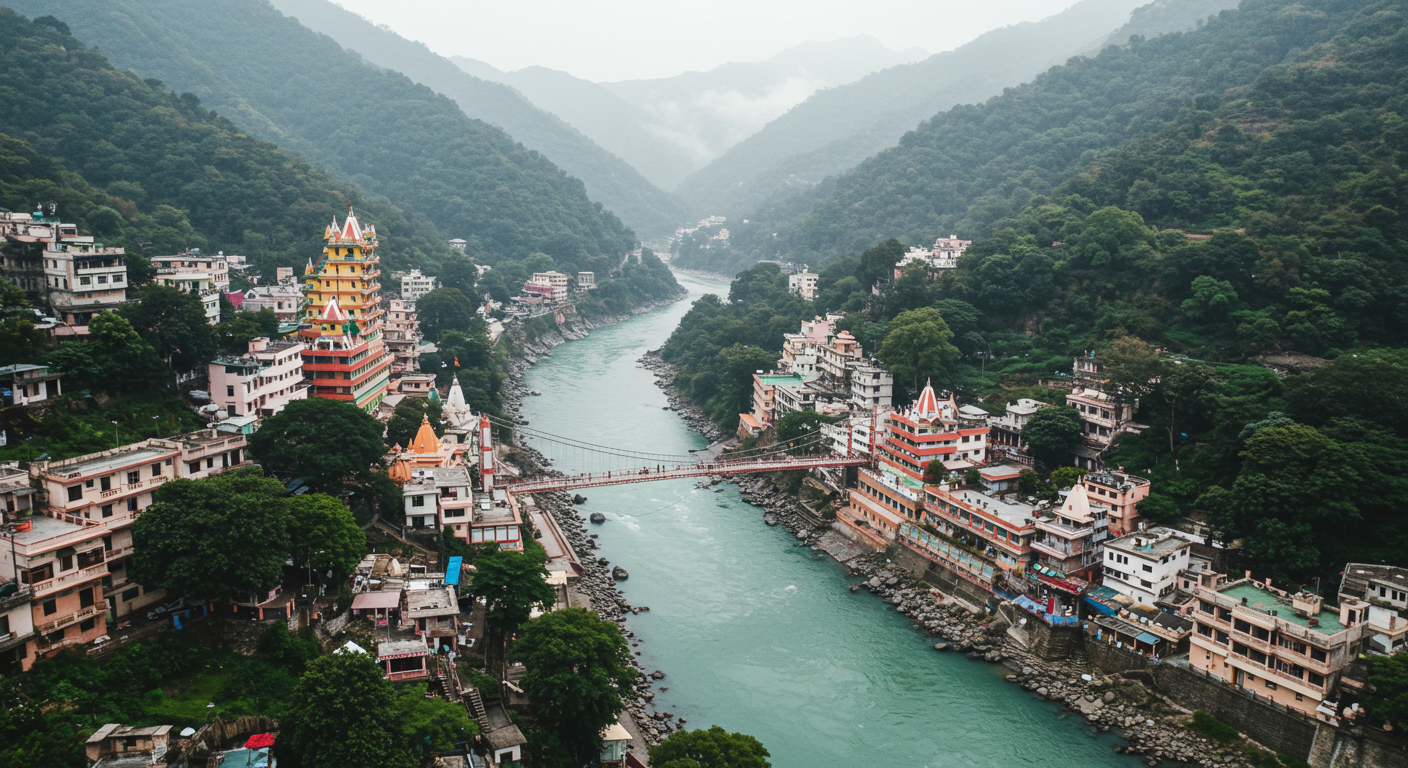
Your Journey to Rishikesh: A Transformative Experience
The crisp morning air carries the faint chime of temple bells, mingling with the gentle murmur of the Ganges River. This isn’t just a picturesque postcard; this is Rishikesh, a place where spirituality meets adventure, and ancient traditions blend seamlessly with modern thrills. Many travelers don’t realize the depth and diversity this sacred town offers, often only scratching the surface. As an experienced traveler and guide, I’m here to tell you that exploring the spiritual and adventurous places to visit in Rishikesh requires a bit of insider knowledge to truly unlock its magic.
Forget generic tourist traps. This comprehensive guide is designed to answer all your practical questions, from how to get there and what to pack, to finding those hidden gems only locals know. We’ll delve into the must-see attractions, the underrated spots, and essential tips to ensure your trip is not just a vacation, but a truly transformative experience. Prepare to immerse yourself in the vibrant energy and serene beauty that make Rishikesh so unique.
Exploring Rishikesh’s Spiritual & Adventurous Core
Rishikesh, nestled in the foothills of the Himalayas in Uttarakhand, India, is renowned globally as the “Yoga Capital of the World” and a gateway to the Char Dham Yatra. Yet, its appeal extends far beyond spiritual seekers. The town offers a captivating blend of tranquil ashrams, sacred ghats, and adrenaline-pumping adventure sports. Understanding this duality is key to appreciating all the places to visit in Rishikesh in Rishikesh.
The Sacred Ghats and Ashrams: Soulful Retreats
Your journey into the spiritual heart of Rishikesh will undoubtedly lead you to its revered ashrams and ghats. These aren’t just buildings; they are living centers of devotion and learning, offering a profound sense of peace. One of the most prominent is Parmarth Niketan, one of the largest ashrams in Rishikesh. Known for its spiritual atmosphere, yoga classes, and Ayurvedic treatments, it also hosts the famous Ganga Aarti ceremony every evening, a truly mesmerizing spectacle of light and sound on the banks of the holy river. Attending this Aarti is a quintessential Rishikesh experience, drawing crowds who come to witness the devotion and collective energy.
Another iconic spiritual landmark is Triveni Ghat, the most sacred bathing ghat in Rishikesh. It’s believed to be the confluence of three holy rivers—Ganges, Yamuna, and Saraswati—and a dip here is said to cleanse all sins. Early mornings are particularly enchanting, with devotees performing rituals and offering prayers. You can often find local priests offering blessings, for which a small donation of around 50-100 INR is customary. These spiritual havens are truly top-rated in Rishikesh for anyone seeking introspection and cultural immersion.
Thrilling Adventures: Beyond the Yoga Mat
For those who crave excitement, Rishikesh doesn’t disappoint. The Ganges River, flowing fiercely through the Shivalik range, provides the perfect playground for white-water rafting and other aquatic sports. Shivpuri, located approximately 19 km from the main town, is the undisputed hub of adventure in Rishikesh. Here, you’ll find numerous camps and operators offering various grades of rafting, from gentle floats suitable for families to challenging rapids for seasoned adventurers.
You might also be interested in: Read more about: Unlock Rishikesh: Your Ultimate Guide to…
Beyond rafting, you can indulge in bungee jumping, giant swing, zip-lining, and even cliff jumping. Many adventure companies, with experts in Rishikesh, offer comprehensive packages ensuring safety and thrill. A typical rafting trip can cost anywhere from 800-1500 INR, depending on the distance and rapids covered. Always ensure you choose a reputable operator with certified guides and proper safety equipment. These activities offer a completely different perspective on the breathtaking natural beauty surrounding the town, proving that the best places to visit in Rishikesh are not just for meditation.
Planning Your Perfect Rishikesh Itinerary
A successful trip to Rishikesh involves careful planning, especially if you want to balance spiritual exploration with adventure. Knowing the logistics, from travel to packing, will significantly enhance your experience. This section provides a practical, step-by-step guide to help you navigate your journey.
Getting There & Around: Seamless Travel
Reaching Rishikesh is relatively straightforward. The nearest airport is Jolly Grant Airport (DED) in Dehradun, about 35 km away. From there, you can hire a taxi (expect to pay around 800-1200 INR) or take a shared auto-rickshaw to Rishikesh. The nearest railway station is Rishikesh (RKSH), but Haridwar (HW) is a larger, better-connected station about 25 km away, with more frequent trains. Buses also connect Rishikesh to major cities like Delhi and Chandigarh. Once in town, navigating the main areas like Laxman Jhula, Ram Jhula, and the market is best done on foot, by auto-rickshaw, or by shared tempo. Auto-rickshaw fares typically range from 30-100 INR for short distances.
Insider Tip: For a truly immersive experience, consider arriving by train at Haridwar and then taking a local bus or shared auto to Rishikesh. The journey offers scenic views and a taste of local life. Always negotiate auto-rickshaw fares before starting your journey to avoid any misunderstandings.
Traffic can be dense, especially during peak seasons, so plan your local travel accordingly. The iconic suspension bridges, Laxman Jhula and Ram Jhula, are pedestrian-only and offer spectacular views of the Ganges and the surrounding hills. Exploring these bridges and the bustling markets around them is one of the essential places to visit in Rishikesh in Rishikesh.
Essential Packing & Budgeting Tips
What you pack and how you budget will depend on the season and your planned activities. Here’s a quick checklist:
You might also be interested in: Read more about: Your Ultimate Checklist: Discovering the…
- Clothing: Light cotton clothes for summer (March-June), layers for winter (October-February), and rain gear for monsoon (July-September). Always carry modest clothing (shoulders and knees covered) for temple and ashram visits.
- Footwear: Comfortable walking shoes are a must. Sandals or flip-flops are good for riverside strolls. If rafting, water-friendly sandals are ideal.
- Essentials: Sunscreen, hat, insect repellent, personal medications, a reusable water bottle (to reduce plastic waste), and a small backpack for day trips.
- Adventure Gear: If you plan on rafting or trekking, some operators provide gear, but you might prefer your own quick-drying shorts/t-shirt.
- Budget: Rishikesh can be very budget-friendly. Accommodation can range from 300-500 INR for a basic guesthouse to 2000+ INR for a comfortable hotel. Meals are inexpensive, with a decent thali costing around 150-300 INR. Adventure activities are the main variable cost.
A realistic daily budget, excluding major adventure activities and high-end accommodation, could be around 1000-2000 INR per person. Always carry some cash, as smaller vendors and auto-rickshaws may not accept digital payments. Being prepared with these essentials ensures you can fully enjoy the best places to visit in Rishikesh without any unnecessary stress.
Insider Secrets for an Authentic Rishikesh Experience
To truly experience Rishikesh beyond the tourist facade, you need to know a few insider tips. These insights will help you connect with the local culture, discover hidden gems, and ensure a safe and enriching journey.
Best Times to Visit & Underrated Gems
The best time to visit Rishikesh is typically from September to November and from February to May. During these months, the weather is pleasant, ideal for both spiritual activities and adventure sports. Winters (December-January) are cool and foggy, perfect for those seeking quiet introspection. Monsoons (July-August) transform the landscape into lush greenery, but river activities might be restricted due to high water levels, and occasional landslides can occur.
While the main attractions are popular, don’t miss some of Rishikesh’s underrated gems:
- Vashishta Gufa (Cave): An ancient cave on the banks of the Ganges, about 25 km from Rishikesh, where sage Vashishta meditated for years. It’s a profoundly peaceful spot, perfect for quiet meditation. The journey there, often involving a scenic drive and a short walk, is part of the experience.
- Garud Chatti Waterfall: A hidden gem near the Neelkanth Temple road, perfect for those seeking solitude and a refreshing dip. It’s less crowded than other waterfalls and offers a serene natural escape. A visit here is one of the most delightful best places to visit in Rishikesh in Rishikesh if you appreciate nature’s tranquility.
- Neer Garh Waterfall: While more known than the others, reaching its upper levels involves a pleasant trek and offers multiple pools for bathing.
- Beatles Ashram (Maharishi Mahesh Yogi Ashram): Though abandoned, this ashram gained fame after The Beatles stayed here in 1968. Its decaying structures are adorned with beautiful graffiti, offering a unique blend of history, art, and spirituality.
Exploring these less-trodden paths provides a deeper connection with the region and its history. For those seeking best quality in Rishikesh experiences, these spots offer a unique blend of peace and natural beauty.
You might also be interested in: Explore Rishikesh Adventures on Bucketlistt
Navigating Local Culture & Safety
Rishikesh is a holy town, and respecting local customs is paramount. Alcohol and non-vegetarian food are generally prohibited, especially in the main spiritual areas. Dress modestly, particularly when visiting temples and ashrams. Engage respectfully with locals; a simple “Namaste” goes a long way. Always remove your shoes before entering temples or ashrams.
Safety is generally good, but common travel precautions apply:
- Water: Drink only bottled or filtered water. Avoid tap water.
- Food: Stick to well-cooked food from reputable establishments. Try local street food but be mindful of hygiene.
- Valuables: Keep your valuables secure. Use hotel lockers if available.
- Swimming: Be cautious when swimming in the Ganges; currents can be strong. Always swim in designated, safer areas if you choose to.
- Scams: Be wary of unsolicited guides or touts. Book services through established tour operators.
By being mindful of these cultural nuances and safety tips, you can ensure a smooth and respectful exploration of all the wonderful places to visit in Rishikesh. The local people are generally warm and welcoming, eager to share their culture with those who show genuine interest.
Rishikesh is one of those rare destinations that genuinely delivers on its reputation — whether you come for the adrenaline, the spirituality, or simply to sit by the Ganga and think. This guide covered best places to visit in rishikesh in rishikesh, places to visit in rishikesh, places to visit in rishikesh in rishikesh, giving you the practical knowledge to plan a memorable visit. If you want a curated list of verified operators and activity packages, you can browse options on Bucketlistt.
Frequently Asked Questions about Places to Visit in Rishikesh
What are the absolute must-see places to visit in Rishikesh for a first-timer?
For a first-timer, Triveni Ghat for the Ganga Aarti, Parmarth Niketan for its spiritual ambiance, and the iconic Laxman Jhula and Ram Jhula bridges are essential. Don’t miss exploring the vibrant markets and riverside cafes around these areas. These are truly the core places to visit in Rishikesh.
Is Rishikesh safe for solo female travelers?
Rishikesh is generally considered safe for solo female travelers, especially in the main tourist areas. However, it’s always wise to exercise caution, avoid walking alone in secluded areas after dark, and trust your instincts. Dress modestly to respect local culture.
What is the best time of year to visit Rishikesh for both spiritual and adventure activities?
The ideal times are from September to November and from February to May. The weather is pleasant for outdoor activities like rafting and trekking, and the spiritual festivals are often in full swing. This period allows you to enjoy all the places to visit in Rishikesh.
How many days are recommended to fully explore the main places to visit in Rishikesh?
A minimum of 3 to 4 days is recommended to comfortably explore the main attractions, participate in yoga or meditation, and enjoy an adventure activity like rafting. If you wish to delve deeper into spiritual retreats or longer treks, consider 5-7 days.
Are there any hidden gems or less crowded places to visit in Rishikesh?
Absolutely! Consider visiting Vashishta Gufa for deep meditation and solitude, or Garud Chatti Waterfall for a refreshing natural escape. The abandoned Beatles Ashram also offers a unique historical and artistic experience, distinct from the usual places to visit in Rishikesh.
What should I wear when visiting temples and ashrams in Rishikesh?
When visiting sacred sites, it’s important to dress modestly. This means covering your shoulders and knees. Loose-fitting cotton clothes are comfortable and respectful. Always remove your shoes before entering temples or ashrams as a sign of respect.
Can I find vegetarian and vegan food options easily in Rishikesh?
Yes, Rishikesh is a vegetarian and alcohol-free town due to its holy status, so vegetarian and vegan options are abundant and easy to find. Many cafes and ashrams cater specifically to these dietary preferences, offering delicious and healthy meals. You’ll have no trouble finding suitable food while exploring the places to visit in Rishikesh.
What is the typical cost for a white-water rafting experience in Rishikesh?
The cost for white-water rafting varies depending on the stretch of the river and the rapids covered, typically ranging from 800 INR to 1500 INR per person for a standard trip. Always ensure you book with a licensed operator who prioritizes safety and provides proper gear.