Introduction: Your Gateway to India’s Yoga Capital
The crisp morning air carries the distant chime of temple bells, mingling with the gentle murmur of the Ganges River. This isn’t just a scenic postcard; it’s the everyday symphony of Rishikesh, a place where spirituality isn’t just observed but deeply lived. Many travellers arrive seeking adventure, but quickly discover the profound depths of the spiritual & cultural Rishikesh, a vibrant tapestry woven with ancient traditions, yogic wisdom, and breathtaking natural beauty. As someone who has immersed myself in its unique energy, I can tell you that understanding its core spirit is key to a truly transformative experience.
This comprehensive guide is designed to answer every practical question you might have for your 2026 visit. We’ll explore what makes the spiritual & cultural Rishikesh so special, how to navigate its sacred sites, and equip you with insider tips to ensure your journey is both enriching and seamless. From the best time to visit to navigating local customs, consider this your personal roadmap to unlocking the authentic heart of this revered destination.
Embracing the Spiritual & Cultural Rishikesh: What It Offers and Why It Matters
Rishikesh, nestled in the foothills of the Himalayas, is globally renowned as the ‘Yoga Capital of the World’ and a pivotal pilgrimage site. Its significance stems from its location on the sacred Ganges and its long history as a hub for yogis, sages, and seekers of spiritual enlightenment. The essence of spiritual & cultural Rishikesh lies in its seamless blend of ancient practices, vibrant festivals, and a pervasive sense of peace that permeates the air. This isn’t merely about sightseeing; it’s about engaging with a living tradition that has shaped countless lives.
For me, the true magic of Rishikesh isn’t just in its famous ashrams or temples, but in the everyday rituals—the morning aarti by the river, the silent meditation sessions, and the genuine warmth of its people. It offers a unique opportunity for introspection and a deep dive into Indian philosophy, making it a compelling destination for anyone seeking more than just a holiday. The spiritual & cultural Rishikesh experience is an invitation to connect with something ancient and profound.
What to Expect from Your Spiritual Journey
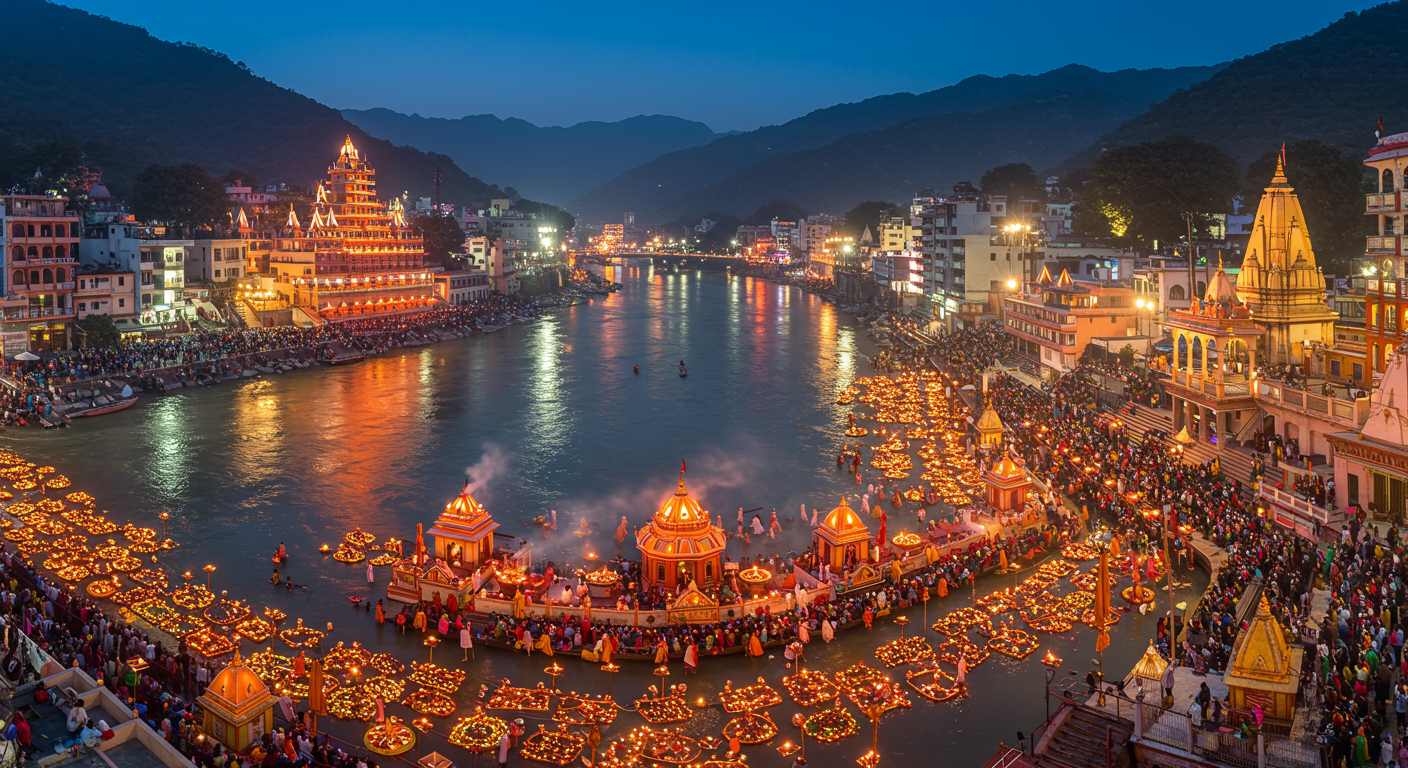
When you arrive, expect an atmosphere charged with spiritual energy. The city is vegetarian and alcohol-free, reflecting its sacred status. You’ll find numerous ashrams offering everything from beginner yoga classes to advanced philosophy courses. One of the most prominent and top-rated in Rishikesh is Parmarth Niketan, famous for its grand Ganga Aarti ceremony held every evening at sunset. This mesmerising ritual of fire and chanting on the banks of the Ganges is an absolute must-see, drawing hundreds of devotees and tourists alike. Beyond the ashrams, the streets are lined with small temples, Ayurvedic centres, and shops selling spiritual books, yoga wear, and handcrafted goods. You’ll encounter sadhus (holy men) and pilgrims, all contributing to the city’s unique spiritual vibe. The cost for a basic yoga class can range from INR 200-500, while a longer retreat might cost INR 10,000-30,000 for a week, depending on the ashram and facilities.
You might also be interested in: Read more about: Unveiling Rishikesh’s Vibrant Food & Loc…
Who Is It Best For? Seeking the Best Spiritual & Cultural Rishikesh Experience
The best spiritual & cultural Rishikesh experience caters to a wide audience. It’s ideal for yoga enthusiasts, from absolute beginners to advanced practitioners, looking to deepen their practice. Meditators will find countless serene spots, including the tranquil Jhilmil Gufa, a series of caves perfect for deep introspection and quiet contemplation, located just a short distance from the bustling main town. Pilgrims seeking blessings from the sacred Ganges and various deities will feel right at home. Beyond the devout, it’s also perfect for those simply curious about Indian culture, seeking a peaceful retreat from the fast pace of modern life, or looking for a holistic wellness experience. Even adventure seekers find their niche, combining spiritual mornings with thrilling afternoons of white-water rafting on the Ganges, making it a truly versatile destination.
Planning Your Immersion: A Practical Guide to Spiritual & Cultural Rishikesh
Embarking on a journey to the spiritual & cultural Rishikesh requires a bit of preparation to maximise your experience. This section will walk you through the essential steps, from how to get there to what to pack, ensuring you’re ready for everything this incredible destination has to offer. My goal is to equip you with the knowledge to make your trip as smooth and enriching as possible, allowing you to fully absorb the profound energy of this sacred place.
Getting There and Around: Navigating Your Journey
Reaching Rishikesh is relatively straightforward. The nearest airport is Jolly Grant Airport (DED) in Dehradun, approximately 35 km away. From there, you can hire a pre-paid taxi (around INR 1000-1500) or take a shared auto-rickshaw to Rishikesh. The nearest railway station is Rishikesh Railway Station, though Haridwar Railway Station (about 25 km away) offers more train connections. Buses from major North Indian cities like Delhi and Chandigarh also connect frequently. Once in Rishikesh, local transportation primarily consists of auto-rickshaws, shared taxis, and walking. Many areas, especially around Lakshman Jhula and Ram Jhula, are best explored on foot. For longer distances, auto-rickshaws are readily available; always negotiate the fare beforehand or ensure the meter is used. Expect to pay around INR 50-150 for short rides within the main tourist areas.
Insider Tip: For a truly local experience and to enjoy the scenic views, consider renting a scooter or bicycle for exploring nearby attractions like the tranquil Patna Waterfall, a secluded gem reachable via a beautiful forest trek. This offers peace and untouched nature, far from the main tourist crowds.
When packing, remember that Rishikesh is a spiritual town. Dress modestly, covering shoulders and knees, especially when visiting temples or ashrams. Lightweight, breathable fabrics are ideal, as temperatures can be warm, but also bring layers for cooler evenings or early mornings by the river. Comfortable walking shoes are a must for exploring the ghats and trails. Don’t forget sunscreen, insect repellent, a reusable water bottle, and a small first-aid kit. A sarong or shawl can be incredibly versatile for modesty, warmth, or even as a makeshift picnic blanket by the Ganges.
You might also be interested in: Read more about: Unlock Rishikesh: Your Guide to Optimal …
Engaging with the Sacred: Activities and Etiquette
To truly immerse yourself in the spiritual & cultural Rishikesh, participate in activities beyond just observation. Attending a yoga or meditation class is highly recommended; many ashrams offer drop-in sessions. The Ganga Aarti at Parmarth Niketan is unmissable, but also seek out smaller, more intimate aartis at other ghats. Consider visiting the ancient Neelkanth Mahadev Temple, dedicated to Lord Shiva. Situated at 1330m height with panoramic valley views, it offers a spiritual journey in itself, often requiring a scenic drive or a challenging trek. Remember to remove your shoes before entering temples or ashrams. When interacting with locals, a respectful ‘Namaste’ goes a long way. Photography is generally allowed, but always be mindful and ask permission before taking close-up shots of individuals, especially sadhus or those engaged in prayer. Bargaining is common in local markets, but do so respectfully.
Staying hydrated is crucial, especially during warmer months. Drink only bottled or filtered water. While Rishikesh is generally safe, it’s wise to be aware of your surroundings, especially at night. Keep valuables secure and avoid walking alone in secluded areas after dark. For those seeking authentic spiritual experiences, there are many experts in Rishikesh who can guide you through traditional practices like Ayurvedic consultations or Vedic astrology readings.
Insider Tips & Best Practices for Your Rishikesh Journey
Having spent considerable time exploring the nuances of the spiritual & cultural Rishikesh, I’ve gathered some insights that can elevate your trip from good to extraordinary. These aren’t tips you’ll find in every guide; they come from a deeper understanding of the local rhythm and spirit. Following these suggestions will allow you to connect more profoundly with the destination and avoid common tourist pitfalls, ensuring you experience the best quality in Rishikesh.
Timing Your Visit: Seasonal Wisdom and Daily Rhythms
The best time to visit Rishikesh for a spiritual and cultural immersion is from late September to mid-November and again from February to April. During these months, the weather is pleasantly cool and dry, perfect for outdoor activities, yoga, and exploring. The Ganges is calm, and the overall atmosphere is vibrant yet serene. December and January can be quite cold, especially in the mornings and evenings, requiring heavy woollens. May and June are intensely hot, with temperatures soaring, making daytime exploration challenging. The monsoon season, from July to September, brings heavy rainfall, which can sometimes disrupt travel plans and make treks to places like Neer Garh Waterfall or Patna Waterfall slippery, though the lush green landscape during this time has its own unique charm.
You might also be interested in: Explore Rishikesh Adventures on Bucketlistt
Beyond the season, consider the daily rhythm. Early mornings are magical for witnessing the Ganges come alive with devotees performing rituals and yogis meditating. The evenings are dominated by the Ganga Aarti. Plan your days to experience both, perhaps a sunrise yoga session followed by a quiet walk along the ghats, and then an evening aarti. Visiting popular spots like Neer Garh Waterfall early in the morning can help you avoid crowds and enjoy the natural beauty in peace. A series of three beautiful waterfalls accessible via a short hike, it’s a refreshing escape.
Unveiling Local Secrets and Avoiding Pitfalls
One genuinely local tip is to explore the lesser-known ghats away from the main Ram Jhula and Lakshman Jhula bridges. While these are iconic, quieter spots like Triveni Ghat offer a more authentic and less crowded experience of the evening aarti or morning dips. Engage with local vendors and artisans; their stories often reveal much about the area’s rich cultural heritage. Don’t be afraid to try local eateries (dhabas) for authentic North Indian vegetarian cuisine; a thali can cost as little as INR 150-250. Remember, plastic waste is a growing concern across Rishikesh, so carry a reusable water bottle and dispose of your waste responsibly.
Avoid rushing. Rishikesh encourages a slower pace, allowing for contemplation and absorption. Resist the urge to pack your itinerary too tightly. Allow for spontaneous moments, like joining a satsang (spiritual discourse) or simply sitting by the river. Be wary of overly persistent touts or fake sadhus; a polite but firm ‘no thank you’ usually suffices. Always book accommodation and reputable yoga schools in advance, especially during peak season, to ensure you secure the best quality in Rishikesh for your spiritual and cultural journey. Embrace the unexpected, and let the spiritual & cultural Rishikesh unfold its magic for you.
Essential Rishikesh Travel Checklist
- Book activity slots 2–3 days in advance during peak season (Oct–Nov and Mar–May)
- Wear athletic, quick-dry clothing and closed-toe shoes for all outdoor activities
- Carry a government-issued photo ID — required at most activity centres
- Disclose any medical conditions before signing the activity consent form
- Confirm whether video coverage is included or costs extra before booking
- Respect Rishikesh’s spiritual atmosphere — alcohol is prohibited within the city limits
- Carry cash (INR) for small vendors, auto-rickshaws, and local eateries
Rishikesh is one of those rare destinations that genuinely delivers on its reputation — whether you come for the adrenaline, the spirituality, or simply to sit by the Ganga and think. This guide covered best spiritual & cultural rishikesh in rishikesh, spiritual & cultural rishikesh, spiritual & cultural rishikesh in rishikesh, giving you the practical knowledge to plan a memorable visit. If you want a curated list of verified operators and activity packages, you can browse options on Bucketlistt.
Frequently Asked Questions about Spiritual & Cultural Rishikesh
What is the best time of year to visit Rishikesh for spiritual activities?
The ideal times to visit for a rich spiritual & cultural Rishikesh experience are from late September to mid-November and from February to April. The weather is pleasant, making it perfect for yoga, meditation, and exploring the sacred sites without extreme heat or cold.
Is Rishikesh safe for solo female travellers?
Rishikesh is generally considered safe for solo female travellers, especially in the main tourist areas. However, as with any destination, it’s advisable to exercise caution, avoid walking alone in secluded areas after dark, and dress modestly to respect local customs while exploring the spiritual & cultural Rishikesh.
What should I wear when visiting temples and ashrams in Rishikesh?
When visiting sacred sites that are part of the spiritual & cultural Rishikesh, it is essential to dress modestly. This means covering your shoulders and knees. Loose-fitting, comfortable clothing made from natural fabrics is recommended, and always remember to remove your shoes before entering.
Can I drink alcohol or eat non-vegetarian food in Rishikesh?
No, Rishikesh is a holy city and is declared both vegetarian and alcohol-free. You will not find non-vegetarian food or alcoholic beverages served within the city limits. This policy reinforces the spiritual & cultural Rishikesh atmosphere and promotes a sattvic (pure) lifestyle.
How much does a typical yoga class cost in Rishikesh?
The cost of a drop-in yoga class in Rishikesh can vary widely depending on the ashram or studio, but generally ranges from INR 200 to INR 500 per session. For longer courses or retreats that delve deeper into the spiritual & cultural Rishikesh practices, prices will be significantly higher.
What are the must-see spiritual attractions in Rishikesh?
Key spiritual attractions include the Ganga Aarti at Parmarth Niketan, the ancient Neelkanth Mahadev Temple, and the tranquil Jhilmil Gufa for meditation. Exploring these sites offers a profound glimpse into the spiritual & cultural Rishikesh experience.
How long should I plan to stay to experience the spiritual & cultural Rishikesh?
To truly absorb the spiritual & cultural Rishikesh and engage in activities like yoga, meditation, and temple visits, a stay of 5 to 7 days is recommended. This allows enough time for both relaxation and exploration without feeling rushed.
Are there any hidden gems for spiritual seekers in Rishikesh?
Beyond the well-known sites, seek out the serene Patna Waterfall for a peaceful trek and quiet reflection. Additionally, smaller, less frequented ashrams often offer more intimate and profound spiritual & cultural Rishikesh experiences away from the main crowds.