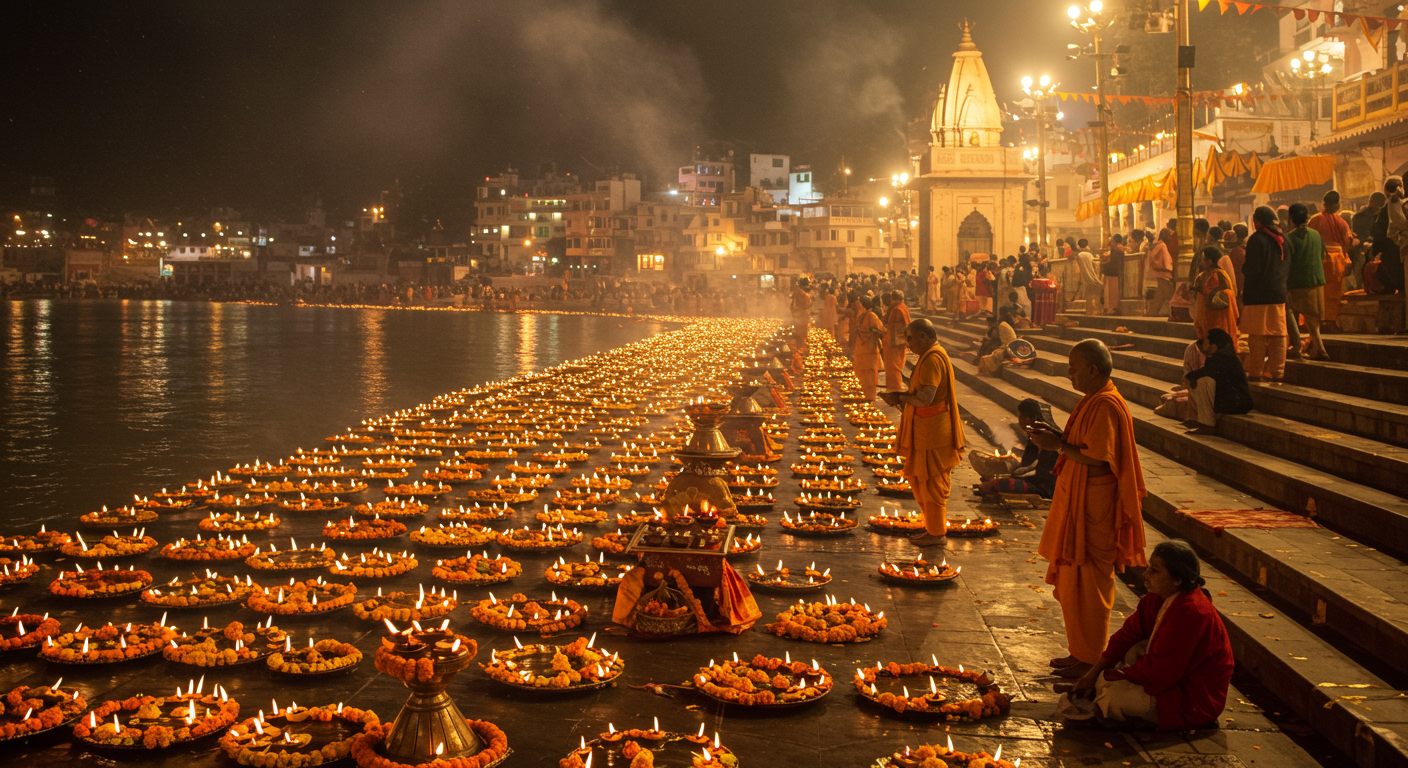
The vibrant clang of temple bells mingles with the serene flow of the Ganges, carrying whispers of ancient chants. This is Rishikesh, India’s revered Yoga Capital, a place where the air itself feels imbued with spiritual energy. Many travelers arrive seeking adventure, but what truly defines a memorable journey here is embracing the profound spiritual & cultural Rishikesh has to offer. I’ve spent years exploring these sacred banks, witnessing countless transformations, and I’m here to share how you can truly connect with its essence.
This guide isn’t just about what to see; it’s about how to feel, how to immerse, and how to carry a piece of Rishikesh with you long after you’ve left. We’ll delve into the ancient traditions, the best times to visit, practical tips for navigating its sacred spaces, and even some hidden gems that most tourists miss. Prepare to discover a side of Rishikesh that elevates your travel experience beyond the ordinary.
The Heartbeat of India: Understanding the Spiritual & Cultural Rishikesh
Rishikesh, nestled in the foothills of the Himalayas, is more than just a picturesque town; it’s a living, breathing testament to India’s ancient spiritual heritage. From the moment you arrive, you’ll sense a different rhythm, one guided by devotion, meditation, and the mighty Ganges. The spiritual & cultural Rishikesh experience is a tapestry woven with yoga, Ayurvedic practices, traditional music, and profound rituals that have been observed for millennia. This isn’t just about observing culture; it’s about participating in a timeless tradition.
The allure lies in its ability to offer both introspection and vibrant community. You can find solitude in a quiet ashram or join hundreds of devotees for the mesmerizing Ganga Aarti. It’s a place where seekers from across the globe converge, drawn by the promise of spiritual growth and cultural enrichment. Understanding this unique blend is key to appreciating your visit. The town’s energy is palpable, a constant invitation to look inward while being surrounded by extraordinary natural beauty.
What to Expect from Rishikesh’s Spiritual Canvas
When you immerse yourself in the spiritual & cultural Rishikesh, expect a sensory journey. The scent of incense and marigolds fills the air, devotional music (bhajans and kirtans) echoes from temples, and the sight of saffron-clad sadhus is common. A cornerstone of this experience is visiting its renowned ashrams. Parmarth Niketan, for instance, is one of the largest and most active ashrams, famous for its daily yoga classes and the iconic Ganga Aarti ceremony at sunset. This spectacle, where lamps are offered to the river, is a powerful moment of collective devotion and a must-see. Another significant site is The Beatles Ashram (Chaurasi Kutia), a fascinating ruin now reclaimed by nature and adorned with vibrant graffiti art. It offers a unique glimpse into a pivotal moment in Western spiritual exploration and remains a serene spot for quiet contemplation.
Beyond the ashrams, the spiritual essence permeates every corner. You’ll find numerous temples dedicated to various deities, each with its own story and significance. The ancient Neelkanth Mahadev Temple, situated at an altitude of 1330m, offers not only spiritual solace but also breathtaking panoramic views of the surrounding valleys. Exploring these sites provides a deep connection to the rich Hindu mythology and philosophical traditions that are so central to life in Rishikesh. The reverence for the Ganges, considered a living goddess, is evident in every ritual and custom observed by locals and visitors alike.
Who Will Thrive in Rishikesh’s Cultural Embrace?
The spiritual & cultural Rishikesh welcomes a diverse array of visitors. If you are a yoga enthusiast, a meditation practitioner, or simply curious about holistic wellness, you will find a vibrant community and countless opportunities for learning and practice. Many come for teacher training courses, seeking guidance from some of the most experienced gurus. History buffs and those interested in religious architecture will be captivated by the ancient temples and ashrams, each telling a tale of devotion and time. Art lovers will appreciate the intricate carvings, vibrant murals, and the unique artistic expressions found throughout the town.
You might also be interested in: Read more about: Your Ultimate Guide to Rishikesh Travel …
Moreover, Rishikesh is perfect for those seeking a break from the fast pace of modern life, offering a chance for introspection and rejuvenation. It’s an ideal destination for solo travelers looking for a safe and enriching experience, as well as families who wish to expose their children to a different cultural paradigm. Even adventure seekers, who come for rafting or trekking, often find themselves unexpectedly drawn into the spiritual current, discovering a deeper dimension to their journey. The inclusive nature of the spiritual & cultural Rishikesh ensures that anyone open to discovery will find something profoundly moving here.
Charting Your Course: A Practical Guide to Spiritual & Cultural Exploration
To truly experience the spiritual & cultural Rishikesh, thoughtful planning is essential. This isn’t a destination where you simply arrive and expect everything to unfold without some preparation. From understanding local customs to managing your logistics, a little foresight goes a long way in ensuring a seamless and enriching journey. My goal is to equip you with the practical knowledge that allows for genuine immersion, rather than just observation.
Remember, while the atmosphere is generally relaxed, respecting local traditions and ensuring your comfort are paramount. This section will guide you through the practicalities, from the best time to visit to navigating daily life, ensuring you can focus on the transformative aspects of your trip. Consider this your go-to manual for engaging with the best quality in Rishikesh’s spiritual offerings.
Planning Your Immersive Journey
The best time to visit the spiritual & cultural Rishikesh is during the shoulder seasons: March to April and September to November. The weather is pleasant, ideal for both outdoor activities and spiritual pursuits. Summers (May-June) can be scorching, and monsoons (July-August) bring heavy rains, making some activities challenging, though the lush green landscape can be beautiful. When packing, prioritize comfort and modesty. Lightweight, breathable clothing is essential, especially when visiting temples or ashrams. Women should bring scarves to cover their heads as a sign of respect in sacred spaces. Comfortable walking shoes are a must, as you’ll be doing a lot of exploring on foot. Don’t forget sunscreen, insect repellent, and a reusable water bottle.
Here’s a checklist for your preparations:
- Visa & Travel Documents: Ensure your Indian visa is valid and your passport has sufficient validity. Keep copies of all important documents.
- Health & Safety: Consult your doctor about necessary vaccinations. Carry a basic first-aid kit, including any personal medications. Drink only bottled or filtered water.
- Accommodation: Book your ashram stay or hotel in advance, especially during peak seasons. Many ashrams offer basic but clean accommodation.
- Currency: The local currency is the Indian Rupee (INR). ATMs are available, but it’s wise to carry some cash for smaller vendors and tips. Expect to pay around 500-1500 INR per night for a decent guesthouse, and a simple, wholesome meal can cost between 150-300 INR.
- Connectivity: Local SIM cards are available, but ensure your phone is unlocked. Wi-Fi is common in guesthouses and cafes.
For those interested in specific courses like yoga teacher training, booking several months in advance is highly recommended, as the top-rated in Rishikesh institutions fill up quickly.
You might also be interested in: Read more about: Conquer Your Fears: The Ultimate Guide t…
Navigating Rishikesh: Essentials and Etiquette
Getting to Rishikesh is relatively straightforward. The nearest airport is Jolly Grant Airport (DED) in Dehradun, about 35 km away. From there, you can take a pre-paid taxi or a shared auto-rickshaw. Rishikesh also has a railway station, though many prefer the more frequent connections to Haridwar, followed by a short taxi ride. Once in town, walking is the best way to explore the main areas, but auto-rickshaws and shared tempos are readily available for longer distances. Bargaining is common for auto-rickshaws, but do so respectfully.
Local Etiquette: Respect is key when engaging with the spiritual & cultural Rishikesh. Dress modestly, especially when visiting religious sites. Always remove your shoes before entering temples or ashrams. When greeting locals, a polite “Namaste” with folded hands is appreciated. Avoid public displays of affection. Photography is generally allowed but always ask for permission before taking pictures of individuals, especially sadhus or during ceremonies. Be mindful of your environmental impact; Rishikesh is a sacred place, so help keep it clean. Many experts in Rishikesh advise maintaining a quiet demeanor in spiritual areas to preserve the sanctity of the environment. While the town is generally safe, exercise common sense, especially at night, and keep your valuables secure.
Unlocking Rishikesh’s Secrets: Insider Tips for a Deeper Connection
While the main attractions of the spiritual & cultural Rishikesh are well-documented, true immersion comes from discovering its lesser-known facets and adopting a local approach. My years of experience navigating this captivating town have taught me that the deepest connections are often found off the beaten path, or simply by observing and engaging with the subtle rhythms of daily life. This section shares those insights, helping you move beyond a tourist’s perspective to that of a genuine explorer.
Embracing these tips will not only enhance your journey but also provide a more authentic understanding of the profound spiritual & cultural Rishikesh truly is. It’s about slowing down, listening, and allowing the magic of the place to unfold around you.
Maximizing Your Spiritual & Cultural Rishikesh Experience
To truly maximize your experience of the spiritual & cultural Rishikesh, consider embracing a slower pace. Instead of rushing from one site to another, dedicate time to simply sit by the Ganges, observe the flow of life, and meditate. Attending a morning yoga session at an ashram, followed by a simple, sattvic breakfast, can set a deeply spiritual tone for your day. Engage with locals; many shopkeepers, sadhus, or ashram residents are happy to share stories and insights. Don’t be afraid to try authentic Ayurvedic treatments or participate in a cooking class to learn about traditional Indian cuisine.
Another insider tip: while the Ganga Aarti at Parmarth Niketan is famous, seek out smaller, more intimate Aarti ceremonies at other ghats. These can offer a more personal and profound experience, allowing for deeper reflection without the large crowds. Consider attending a satsang (spiritual discourse) or kirtan (devotional chanting) at one of the many ashrams; these are often open to the public and provide a powerful communal spiritual experience. Walking across Rishikesh’s iconic लक्ष्मण झूला (Lakshman Jhula) and राम झूला (Ram Jhula) bridges at dawn or dusk offers unparalleled views and a unique perspective on the bustling spiritual life along the riverbanks.
You might also be interested in: Explore Rishikesh Adventures on Bucketlistt
Beyond the Well-Trodden Path: Discovering Underrated Gems
While the main ashrams and temples are essential, Rishikesh holds several underrated gems that offer unique spiritual and cultural insights. One such place is Jhilmil Gufa, a group of three natural caves located in the tranquil forest near the Neelkanth Mahadev Temple. These caves have historically been used for deep meditation by yogis and sadhus and offer an incredibly peaceful atmosphere away from the crowds. It requires a short trek, but the serenity you find there is truly rewarding for those seeking quiet contemplation. Another hidden treasure is Rishikund, a sacred ancient pond situated near the Raghunath Temple. It’s believed that the Ganges herself filled this pond, and it’s known for its clear waters that beautifully reflect the nearby Shani temple. It’s a peaceful spot for reflection and a glimpse into local devotional practices, often frequented by locals for ritual bathing.
Exploring the narrow lanes and bustling bazaars beyond the main tourist hubs can also reveal authentic cultural experiences, from traditional handicrafts to local eateries serving delicious, wholesome food. Don’t shy away from engaging with local artisans or sampling street food from reputable vendors. These moments of genuine interaction often become the most cherished memories of your visit to the spiritual & cultural Rishikesh.
Expert Insight: While Rishikesh is often associated with yoga, remember its deep roots in Ayurveda. Consider visiting an Ayurvedic clinic for a consultation or a rejuvenating massage. These ancient healing practices are an integral part of the local health and wellness culture and can offer profound benefits for mind, body, and spirit.
The spiritual & cultural Rishikesh is a place of profound contrasts and harmonies, where ancient wisdom meets vibrant contemporary life. From the iconic landmarks to the quiet corners, every aspect offers a chance for discovery and personal growth. Embrace the journey, and allow this sacred land to leave its indelible mark on your soul.
Rishikesh is one of those rare destinations that genuinely delivers on its reputation — whether you come for the adrenaline, the spirituality, or simply to sit by the Ganga and think. This guide covered best spiritual & cultural rishikesh in rishikesh, spiritual & cultural rishikesh, spiritual & cultural rishikesh in rishikesh, giving you the practical knowledge to plan a memorable visit. If you want a curated list of verified operators and activity packages, you can browse options on Bucketlistt.
Frequently Asked Questions about Spiritual & Cultural Rishikesh
What is the best time to visit Rishikesh for spiritual experiences?
The ideal time to experience the spiritual & cultural Rishikesh is from March to April or September to November. During these periods, the weather is pleasant, making it comfortable for outdoor activities, temple visits, and attending ceremonies like the Ganga Aarti.
Are there specific dress codes for visiting ashrams and temples in Rishikesh?
Yes, modesty is highly respected. When visiting ashrams, temples, or other sacred sites in Rishikesh, it’s advisable to wear conservative clothing that covers your shoulders and knees. Women may also wish to carry a scarf to cover their heads in temples.
What is the Ganga Aarti, and where can I experience it?
The Ganga Aarti is a mesmerizing fire worship ceremony performed at sunset on the banks of the Ganges River, offering prayers to the sacred river. The most famous and grand ceremony is held daily at Parmarth Niketan ashram in Rishikesh, but smaller ceremonies can be found at other ghats.
Is Rishikesh suitable for solo female travelers seeking spiritual growth?
Rishikesh is generally considered a safe and welcoming destination for solo female travelers seeking spiritual growth. Many ashrams and guesthouses cater to this demographic, offering a supportive community. Always practice general travel safety precautions.
Can I find authentic yoga and meditation classes for beginners in Rishikesh?
Absolutely! Rishikesh is renowned as the Yoga Capital of the World and offers a wide array of yoga and meditation classes suitable for all levels, including absolute beginners. Many ashrams and yoga centers provide introductory courses and drop-in classes focused on the spiritual & cultural Rishikesh traditions.
What are some unique cultural experiences beyond yoga in Rishikesh?
Beyond yoga, you can explore ancient temples like Neelkanth Mahadev, visit The Beatles Ashram for its unique history, or seek out local Ayurvedic treatments. Engaging in traditional cooking classes, attending satsangs, or simply wandering through local bazaars offers deep cultural insights into the spiritual & cultural Rishikesh.
What hidden gems should I visit for a more serene spiritual experience in Rishikesh?
For a more serene experience, consider visiting Jhilmil Gufa, a group of meditation caves near Neelkanth Temple, or Rishikund, a sacred pond reflecting the Shani temple. These spots offer quiet contemplation away from the main tourist hubs, providing an authentic spiritual & cultural Rishikesh encounter.