Embracing the Spirit of Rishikesh: Your Journey Begins
The gentle roar of the Ganges, the distant chiming of temple bells, and the crisp mountain air — these are the first sensations that greet you in this spiritual haven. Planning a trip to this unique destination means considering more than just picturesque spots; it demands a solid foundation of rishikesh safety & travel advice. As an experienced traveler, I’ve learned that a truly enriching journey comes from being well-prepared, especially in places like Rishikesh where ancient traditions meet thrilling adventures. This comprehensive guide will equip you with the practical knowledge needed to navigate the city confidently, ensuring your experience is not only memorable but also incredibly safe.
Forget the generic travel guides; this article delves into the specifics, answering your most pressing questions about how to make the most of your time here. We’ll cover everything from navigating local customs and ensuring your personal safety to finding hidden gems and understanding the best ways to explore the spiritual heartland of India. My goal is to provide you with the kind of insider information that transforms a good trip into an extraordinary one, addressing the nuances of travel that only firsthand experience can teach.
Understanding Rishikesh: Why Safety & Planning Matter
Rishikesh, nestled in the foothills of the Himalayas, is a confluence of spirituality, adventure, and natural beauty. It’s renowned as the “Yoga Capital of the World” and a gateway to the Char Dham pilgrimage. For many, it’s a place of profound introspection and thrilling white-water rafting. However, like any popular destination, understanding the local context and being prepared with sound rishikesh safety & travel advice is paramount. The vibrant chaos of the markets, the serene flow of the Ganga, and the diverse crowd of pilgrims and tourists all contribute to its unique character, making informed travel choices essential.
The city’s charm lies in its blend of ancient ashrams and modern adventure sports. Whether you’re seeking spiritual solace at Triveni Ghat during the evening Ganga Aarti, or an adrenaline rush on the rapids, a well-thought-out plan enhances the experience. This section will help you grasp the essence of what Rishikesh offers and why a proactive approach to safety and travel planning is not just advisable, but necessary for a fulfilling journey.
What to Expect from a Rishikesh Journey
When you arrive in Rishikesh, expect a sensory overload in the most delightful way. The air is often filled with the scent of incense, the sound of devotional music, and the chatter of pilgrims. The two iconic suspension bridges, Laxman Jhula and Ram Jhula, are not just architectural marvels but bustling arteries of daily life, connecting temples, ashrams, and markets. During peak seasons, these areas can be crowded, necessitating awareness of your surroundings and belongings. The spiritual ceremonies, particularly the Ganga Aarti at Triveni Ghat, are mesmerizing but also draw large crowds, making it important to arrive early and secure a good spot while maintaining vigilance.
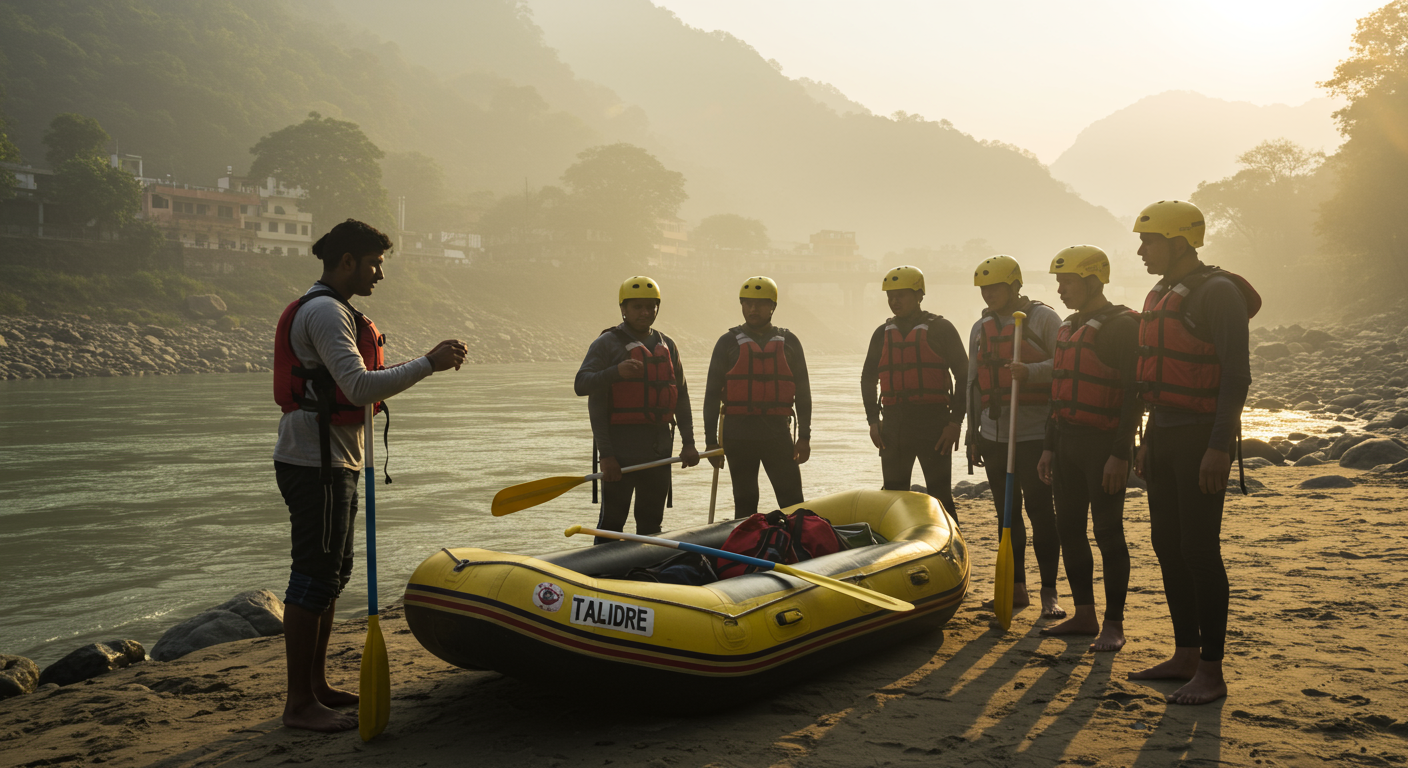
For adventure seekers, the Ganges offers unparalleled opportunities for rafting and kayaking. Expect professional operators, but always verify their credentials and safety records. A typical rafting trip might cost anywhere from INR 600 to INR 1500 per person, depending on the stretch and season, and usually includes equipment and a guide. Always ensure your chosen operator follows strict safety protocols. The blend of spiritual calm and adventurous thrill is what makes Rishikesh truly special, and being prepared for both aspects is key.
You might also be interested in: Read more about: Solo Travel Rishikesh: Your Ultimate 202…
Who Benefits from Proactive Travel Planning
Everyone benefits from proactive travel planning, but it’s particularly crucial for solo travelers, families with young children, and those unfamiliar with Indian travel. Detailed planning ensures you have comfortable accommodation, reliable transportation, and an understanding of local customs. For solo female travelers, knowing the best routes and avoiding isolated areas, especially after dark, is vital. Families will appreciate knowing about child-friendly activities and facilities. Even seasoned travelers will find value in up-to-date information on local regulations, health precautions, and emergency contacts. Having a clear itinerary, even a flexible one, provides a sense of security and allows you to fully immerse yourself in the experience without undue stress.
Moreover, understanding the cultural nuances—like dressing modestly, especially when visiting temples and ashrams, and asking for permission before taking photographs—shows respect and enriches your interactions with locals. This proactive approach helps you avoid misunderstandings and ensures a smoother, more enjoyable trip for all.
Navigating Rishikesh: Practical Safety & Travel Advice
Embarking on a journey to Rishikesh requires more than just booking flights; it demands practical insights into local logistics, cultural etiquette, and personal safety. This section provides detailed rishikesh safety & travel advice in rishikesh, covering everything from transportation to health precautions. My aim is to empower you with the knowledge to navigate this vibrant city with ease and confidence, ensuring your focus remains on the spiritual and adventurous experiences that await you.
From understanding the best ways to get around to ensuring your well-being, these practical steps are designed to make your trip seamless. We’ll delve into specific considerations that will help you prepare effectively and react appropriately to various situations, making your stay in Rishikesh as smooth and enjoyable as possible. This is where the rubber meets the road, offering actionable advice for your day-to-day adventures.
Essential Preparations Before You Go
Before you even pack your bags, a few key preparations can significantly enhance your trip. Firstly, ensure your travel documents are in order, including visas and identification. It’s always wise to have digital copies stored securely online. Secondly, consider travel insurance; while hopefully never needed, it provides peace of mind for medical emergencies or unforeseen cancellations. Thirdly, pack appropriately: lightweight, breathable clothing is best for the climate, but also bring modest attire for temple visits. A light jacket might be useful for cooler evenings or early mornings, especially if you’re visiting between October and March. A good pair of walking shoes is indispensable for exploring the ghats and bridges.
Here’s a quick checklist for your pre-trip planning:
You might also be interested in: Read more about: Unforgettable Family Adventures: Craftin…
- Documentation: Passport, visa, flight/train tickets, accommodation bookings (digital and physical copies).
- Health: Consult your doctor about recommended vaccinations. Carry a basic first-aid kit, including any personal medications, antiseptic wipes, and rehydration salts.
- Currency: Have some Indian Rupees (INR) for immediate expenses. ATMs are available, but it’s good to have cash for smaller vendors and auto-rickshaws.
- Connectivity: Consider an international roaming plan or a local SIM card upon arrival.
- Research: Familiarize yourself with local customs and basic Hindi phrases like “Namaste” (hello) and “Dhanyawad” (thank you).
These preparations form the backbone of sound rishikesh safety & travel advice in rishikesh, ensuring you arrive ready for anything.
On-the-Ground Safety & Etiquette
Once you’re in Rishikesh, navigating the local environment safely and respectfully is key. When it comes to transportation, auto-rickshaws are plentiful. Always agree on the fare beforehand; a short ride within the main areas might cost INR 50-150. For longer distances, consider shared taxis or pre-booked cabs. Avoid walking alone in secluded areas after dark. Keep valuables out of sight, and use hotel safes. Pickpocketing can occur in crowded areas, so be mindful of your belongings, especially on the bridges and at busy ghats.
Culturally, Rishikesh is a holy city. Dress modestly, covering shoulders and knees, particularly when visiting temples and ashrams. Public displays of affection are generally frowned upon. Always remove your shoes before entering temples or private residences. When interacting with sadhus (holy men), it’s customary to offer a small donation if you wish to photograph them or seek blessings. Remember that the Ganges is sacred; avoid littering and maintain its sanctity. When it comes to food, stick to reputable eateries and opt for freshly cooked meals. Tap water is generally not safe to drink; always buy bottled water or use a water filter bottle. These simple practices are part of the best rishikesh safety & travel advice in rishikesh, ensuring a respectful and secure visit.
Insider Tips for a Seamless Rishikesh Experience
Beyond the standard tourist information, there are nuanced details that can significantly enhance your journey, turning a good trip into an exceptional one. As someone who’s spent considerable time here, I’ve gathered insider knowledge that will help you experience Rishikesh like a local. This section focuses on providing you with the best rishikesh safety & travel advice in rishikesh, offering insights into timing your visit, discovering hidden gems, and avoiding common tourist traps. My goal is to help you uncover the authentic charm of this spiritual town.
From understanding the subtle shifts in the Ganges’ flow to knowing which local eateries offer the most authentic flavors, these tips are designed to give you an edge. You’ll learn how to escape the crowds, find moments of true tranquility, and ensure your adventure is both profound and perfectly safe. This is where you get the kind of advice that only comes from deep familiarity with the place.
You might also be interested in: Explore Rishikesh Adventures on Bucketlistt
Timing Your Visit and Exploring Beyond the Mainstream
The best time to visit Rishikesh is typically from September to November and from February to April. During these months, the weather is pleasant, ideal for both spiritual activities and adventure sports. The monsoon season (July-August) brings lush greenery but can also cause disruptions due to heavy rainfall and increased water levels in the Ganges, making rafting potentially unsafe. Summers (May-June) are intensely hot, often making daytime exploration uncomfortable.
While Laxman Jhula, Ram Jhula, and Triveni Ghat are must-sees, venture beyond to discover Rishikesh’s underrated gems. A short trek leads to Neer Garh Waterfall, a series of three beautiful waterfalls offering refreshing dips and stunning views. Even more secluded is Patna Waterfall, reachable through a dense forest trek. It offers unparalleled peace and untouched nature, a stark contrast to the bustling main areas. Another quiet spot is Goa Beach, a white-sand stretch along the Ganges near Laxman Jhula, popular among backpackers for its tranquil vibe. These spots offer a different perspective and are often less crowded, providing a more intimate experience of the natural beauty in Rishikesh.
Common Pitfalls and How to Avoid Them
One common pitfall is falling for overly aggressive touts, particularly around the main ghats and bridges. While most locals are genuinely helpful, some might try to overcharge for services or goods. Politely decline if you’re not interested. When booking adventure activities like rafting, always choose operators with visible safety certifications and good reviews. Do not compromise on safety equipment quality. Several experts in Rishikesh can guide you to reputable providers.
Another issue can be related to health. The change in diet and water quality can sometimes lead to stomach issues. Be cautious with street food; while delicious, ensure it’s prepared hygienically. Carry hand sanitizer and use it frequently. Additionally, respect the local wildlife, particularly monkeys. They can be bold and snatch food or belongings. Avoid feeding them and keep your distance. By being aware of these potential challenges, you can easily avoid them and ensure a smooth journey across Rishikesh. Always trust your instincts; if something feels off, it probably is. Seeking out the best quality in Rishikesh when it comes to guides, food, and accommodation can help mitigate many of these issues.
Rishikesh is one of those rare destinations that genuinely delivers on its reputation — whether you come for the adrenaline, the spirituality, or simply to sit by the Ganga and think. This guide covered best rishikesh safety & travel advice in rishikesh, rishikesh safety & travel advice, rishikesh safety & travel advice in rishikesh, giving you the practical knowledge to plan a memorable visit. If you want a curated list of verified operators and activity packages, you can browse options on Bucketlistt.
Frequently Asked Questions about Rishikesh Safety & Travel Advice
Is Rishikesh generally safe for solo female travelers?
Rishikesh is generally considered safe for solo female travelers, especially in the main tourist areas. However, it’s always advisable to exercise caution, avoid isolated areas after dark, and dress modestly. Utilize reputable transportation and be mindful of your belongings, applying general rishikesh safety & travel advice.
What are the best ways to get around Rishikesh safely?
For short distances, walking is common, especially around the bridges and ghats. Auto-rickshaws are readily available; always agree on the fare before starting your journey. For longer trips or early mornings/late nights, pre-booked taxis are recommended. Avoid overcrowded shared vehicles for better rishikesh safety & travel advice.
What should I do in a medical emergency in Rishikesh?
Rishikesh has several hospitals and clinics. For minor ailments, local pharmacies can assist. In case of a serious emergency, head to AIIMS Rishikesh, a well-regarded medical facility. Ensure you have travel insurance and keep emergency contact numbers handy as part of your comprehensive rishikesh safety & travel advice.
Are there any specific cultural etiquettes to observe in Rishikesh?
Yes, Rishikesh is a holy city. Dress modestly, covering shoulders and knees, especially when visiting temples and ashrams. Remove your shoes before entering sacred spaces. Public displays of affection are inappropriate. Always be respectful of local traditions and the sanctity of the Ganges.
Is it safe to drink tap water in Rishikesh?
No, it is generally not safe to drink tap water in Rishikesh. Always opt for bottled mineral water from sealed bottles, or use a reliable water purification filter bottle. Many cafes offer filtered water, but it’s best to confirm its source to avoid health issues, a crucial piece of rishikesh safety & travel advice.
What are the safety considerations for adventure sports like rafting?
Always choose a licensed and reputable operator with certified guides and well-maintained equipment. Ensure you wear a life jacket and helmet. Listen carefully to your guide’s instructions. Avoid rafting during the monsoon season when river conditions can be dangerous. These are critical aspects of best rishikesh safety & travel advice in rishikesh for adventurers.
How can I protect my belongings from theft in Rishikesh?
Keep valuables in a hotel safe and carry only what you need for the day. Use anti-theft bags or secure your backpack. Be extra vigilant in crowded areas like markets, bridges, and ghats. Avoid displaying expensive electronics or jewelry. These simple precautions are key for personal security in Rishikesh.
What’s the best time of year for a safe and enjoyable trip to Rishikesh?
The ideal times are from September to November and from February to April. The weather is pleasant, and the Ganges is calmer, making it perfect for both spiritual activities and adventure sports. Avoiding the intense summer heat and the heavy monsoon rains will contribute significantly to your overall comfort and safety in Rishikesh.