The gentle murmur of the Ganges, the distant chiming of temple bells, and the crisp mountain air at dawn—these are the sensory delights that draw millions to Rishikesh. But beneath this tranquil surface lies a vibrant hub of adventure, spirituality, and culture, requiring thoughtful preparation. As an experienced traveler who’s explored its winding paths and serene ghats, I can tell you that understanding rishikesh safety & travel advice is paramount for an enriching and hassle-free journey. This guide will equip you with practical knowledge, helping you navigate everything from local customs to essential safety measures, ensuring your trip to this extraordinary destination is as magical as you envision.
Most travelers don’t realize that Rishikesh has two completely different personalities: the bustling, spiritual heart around the ghats and ashrams, and the adventurous, wild side along the river and in the surrounding hills. My aim is to provide you with the most up-to-date and practical advice for 2026, covering everything you need to know before you set foot in this Himalayan foothills gem. We’ll delve into the nuances of local transport, health precautions, and how to immerse yourself respectfully in the local culture, giving you the best rishikesh safety & travel advice in rishikesh.
Embracing the Spirit of Rishikesh: What It Offers & Why It Matters
Rishikesh, often dubbed the “Yoga Capital of the World,” is more than just a destination; it’s an experience. Nestled in the lap of the Himalayas, where the sacred Ganges River descends from the mountains, it offers a unique blend of spiritual solace, adrenaline-pumping adventure, and profound cultural immersion. For anyone seeking a break from the ordinary, a journey of self-discovery, or simply breathtaking natural beauty, Rishikesh holds an undeniable allure. Understanding its multifaceted appeal is the first step in planning a truly memorable visit, and integrating sound rishikesh safety & travel advice into your plans.
What to Expect from Your Rishikesh Journey
Expect a kaleidoscope of experiences. On one hand, you’ll find ancient temples like the Neelkanth Mahadev Temple, perched at 1330m, offering panoramic views and a deep sense of devotion. The evening Ganga Aarti at Triveni Ghat is a mesmerizing spectacle of fire, hymns, and devotion, a sensory overload that connects you deeply with India’s spiritual heart. On the other hand, Rishikesh is a mecca for adventure sports. White-water rafting on the Ganges, bungee jumping, and trekking to hidden gems like Patna Waterfall are readily available. The town is a melting pot of global and local cultures, with yoga ashrams attracting practitioners from every corner of the globe. You’ll encounter sadhus, international backpackers, and local families all coexisting, creating a truly unique atmosphere. The typical cost for a simple, delicious thali meal at a local eatery is around INR 150-250, offering a taste of authentic flavors without breaking the bank.
Who Is Rishikesh Best Suited For?
Rishikesh truly offers something for everyone, but it particularly resonates with certain types of travelers. It’s ideal for:
- Spiritual Seekers: Those looking to deepen their yoga or meditation practice, attend philosophy lectures, or simply soak in the sacred energy of the Ganges.
- Adventure Enthusiasts: Adrenaline junkies drawn to rafting, kayaking, cliff jumping, and trekking in the Himalayan foothills.
- Nature Lovers: Individuals who appreciate pristine river views, lush forests, and the tranquility of places like Goa Beach, a quiet white-sand stretch perfect for relaxation.
- Culture Vultures: Travelers interested in exploring ancient traditions, local markets, and the historical significance of places like The Beatles Ashram (Chaurasi Kutia), now a fascinating reserve of art and history.
This diverse appeal means that while the activities vary, the need for robust rishikesh safety & travel advice in Rishikesh remains constant for all visitors.
You might also be interested in: Read more about: Conquer the Ganges: Your Ultimate BUCKET…
Your Practical Guide: How to Ensure Safety & Smooth Travel
Planning a trip to a new destination always comes with questions about logistics and safety. Rishikesh is no exception. While generally a safe and welcoming place, being prepared and informed is key to a stress-free experience. From arrival to daily activities, here’s how to ensure your journey is smooth and secure, incorporating the best rishikesh safety & travel advice in rishikesh.
Essential Preparation and Arrival Logistics
Before you even pack your bags, a few practical steps can make a world of difference. Always check the latest travel advisories for India. For 2026, ensure your passport has at least six months validity beyond your intended departure date and that you have the correct visa. Vaccination requirements should also be reviewed with your doctor well in advance. When it comes to packing, think layers. Evenings can be cool, especially between October and March. Bring comfortable walking shoes, a reusable water bottle, and a small first-aid kit. Upon arrival, the nearest major airport is Dehradun (DED), about an hour’s drive away. Pre-booked taxis or ride-shares are the safest and most convenient options from the airport, typically costing between INR 1,200 and INR 2,000.
Insider Tip: Always agree on the taxi fare upfront or ensure the meter is running. For peace of mind, consider arranging airport transfers through your accommodation.
Once you’re in Rishikesh, local transportation primarily consists of auto-rickshaws (tuk-tuks) and shared jeeps. These are affordable but always negotiate the fare before starting your journey. Women travelers should ideally sit in the back with other female passengers if possible, especially during late hours. For peace of mind, especially regarding personal safety and property, consider travel insurance that covers medical emergencies, trip cancellations, and theft. This is a fundamental part of comprehensive rishikesh safety & travel advice.
Daily Safety Measures and Health Considerations
Maintaining your well-being in Rishikesh involves a few simple yet crucial practices. Hydration is key, especially during warmer months. Stick to bottled water or use a water filter bottle. Avoid tap water and be cautious with street food, opting for establishments that appear clean and have high customer turnover. Always wash your hands frequently, or use hand sanitizer before eating. For any health concerns, there are several good clinics and a few hospitals in town, though for serious emergencies, Dehradun offers more advanced medical facilities.
You might also be interested in: Read more about: Capture Your BUCKET
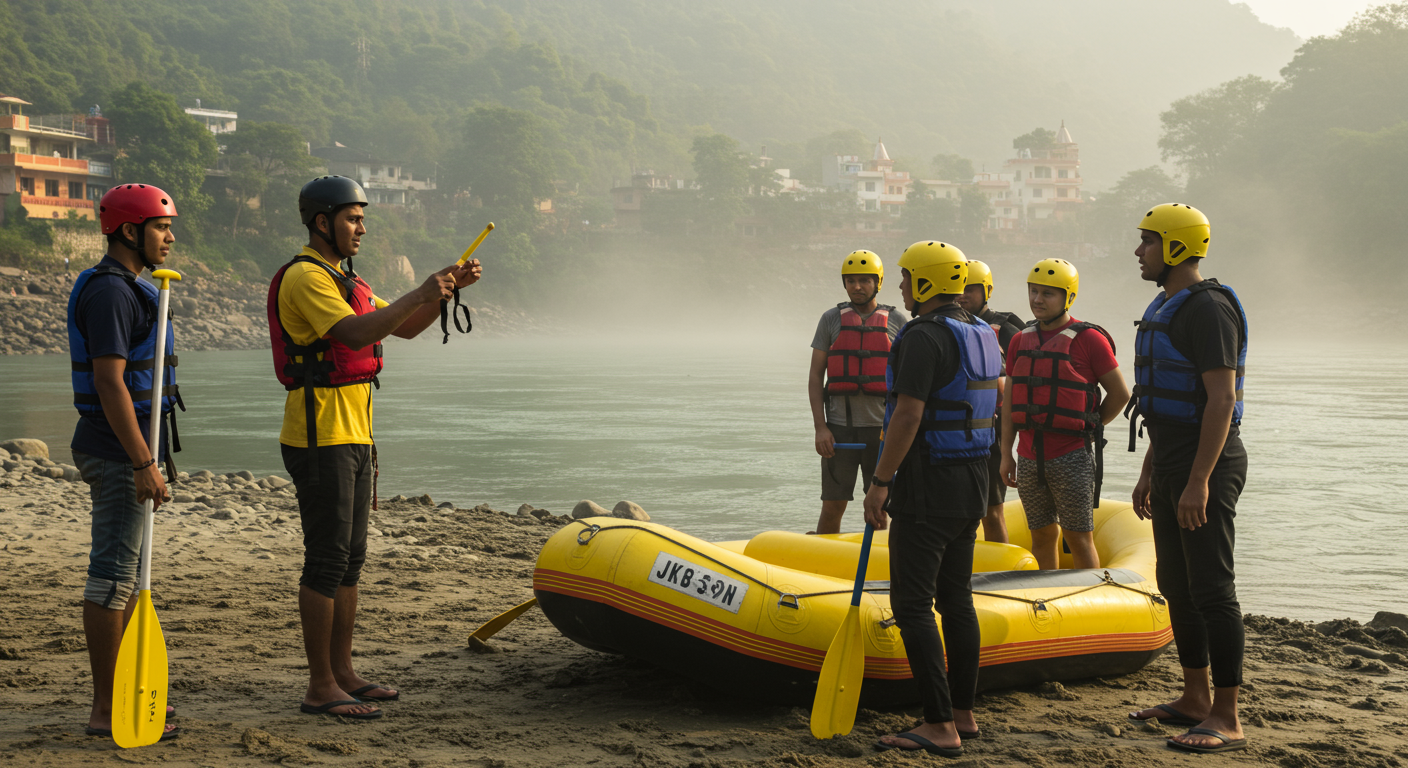
Regarding personal safety, Rishikesh is generally considered safe, but petty crime can occur. Keep your valuables secure and out of sight. Avoid walking alone in dimly lit areas at night. If you’re participating in adventure sports like rafting, always choose reputable operators with certified guides and proper safety equipment. There are many experts in Rishikesh offering adventure sports, but a quick online search for reviews will help you identify the most reliable ones. Be mindful of your surroundings, especially in crowded areas like markets or during the Ganga Aarti. Trust your instincts; if a situation feels off, remove yourself from it. These are basic tenets of good rishikesh safety & travel advice.
Insider Tips & Best Practices for an Unforgettable Trip
Beyond the basics, a few insider tips can elevate your Rishikesh experience from good to truly exceptional. These insights, gleaned from years of travel and conversations with locals, will help you connect more deeply with the destination and avoid common tourist missteps. This is where you get the truly valuable rishikesh safety & travel advice.
Maximizing Your Experience: Timing and Local Etiquette
The best time to visit Rishikesh is typically from September to November and from February to April. During these months, the weather is pleasant, ideal for both outdoor activities and spiritual pursuits. The monsoon season (July-August) can bring heavy rains, making some treks and rafting activities difficult or unsafe. Winters (December-January) are cold, especially in the mornings and evenings, but offer clear skies and fewer crowds. When visiting temples or ashrams, dress modestly, covering your shoulders and knees. Remove your shoes before entering any sacred space. Photography is often permitted, but always ask for permission before taking pictures of individuals, especially sadhus or local residents. A simple “Namaste” goes a long way and is a sign of respect. This local courtesy is part of the best quality in Rishikesh experiences.
One genuinely local tip: If you’re seeking true tranquility away from the main tourist hubs, explore the trails leading up from Tapovan towards the quieter villages. You’ll discover small, family-run cafes offering authentic Himachali food and breathtaking views of the Ganges valley that most tourists miss. Another practical note for customers in Rishikesh: while many places accept digital payments, carrying small denominations of Indian Rupees is always advisable for local markets, auto-rickshaws, and smaller eateries. This ensures smoother transactions and avoids any potential haggling over change.
You might also be interested in: Explore Rishikesh Adventures on Bucketlistt
Underrated Gems and Respectful Engagement
While the main attractions are wonderful, Rishikesh holds several underrated gems that offer a different perspective. For instance, the trek to Patna Waterfall is a rewarding experience, leading you through dense forest to a secluded natural pool – a perfect escape from the crowds. Similarly, spending a quiet afternoon at Goa Beach, just a short walk from Laxman Jhula, provides a serene spot to relax by the Ganges. When engaging with local vendors or service providers, a polite and respectful demeanor is appreciated. Avoid overly aggressive bargaining, especially for small items; a little goes a long way in supporting local livelihoods. The services in Rishikesh, whether for accommodation, guides, or local transport, thrive on mutual respect and fair dealings.
Understanding the seasonal variations is also crucial. During the peak pilgrimage season (often coinciding with major festivals or specific auspicious dates), Rishikesh can become extremely crowded. While vibrant, this can impact the peacefulness of your visit and necessitate more patience with crowds and traffic. Conversely, visiting during the shoulder seasons can offer a more relaxed atmosphere. Always remember to carry any necessary medications, as specific brands might not be readily available. This proactive approach is a cornerstone of effective rishikesh safety & travel advice.
By keeping these practical considerations in mind, you’re not just ensuring your safety; you’re also setting the stage for a more authentic and enjoyable journey. Rishikesh is a place that rewards those who approach it with an open heart and a prepared mind, and with this guide, you’re well on your way to experiencing its profound beauty and spiritual energy.
Rishikesh is one of those rare destinations that genuinely delivers on its reputation — whether you come for the adrenaline, the spirituality, or simply to sit by the Ganga and think. This guide covered best rishikesh safety & travel advice in rishikesh, rishikesh safety & travel advice, rishikesh safety & travel advice in rishikesh, giving you the practical knowledge to plan a memorable visit. If you want a curated list of verified operators and activity packages, you can browse options on Bucketlistt.
Frequently Asked Questions about Rishikesh Safety & Travel Advice
Is Rishikesh safe for solo female travelers?
Rishikesh is generally considered safe for solo female travelers, especially during the day. It’s advisable to avoid walking alone in secluded areas at night and to dress modestly. Always choose well-reviewed accommodations and reputable tour operators for adventure activities, following general rishikesh safety & travel advice.
What is the best time of year to visit Rishikesh?
The ideal times to visit Rishikesh are from September to November and from February to April. During these months, the weather is pleasant for both spiritual activities and adventure sports. The monsoon season (July-August) can be challenging due to heavy rains and potential landslides.
What should I wear in Rishikesh?
Dress modestly to respect local customs, especially when visiting temples, ashrams, or public places. Light, breathable clothing that covers shoulders and knees is recommended. For adventure activities, comfortable athletic wear is suitable. Always carry layers as evenings can be cool.
How can I get around Rishikesh?
The main tourist areas of Rishikesh are walkable. For longer distances, auto-rickshaws (tuk-tuks) and shared jeeps are readily available and affordable. Always negotiate the fare before starting your journey. Scooters can also be rented for more independent exploration.
Are there ATMs available in Rishikesh?
Yes, Rishikesh has numerous ATMs, particularly around the main market areas and near the bridges like Lakshman Jhula and Ram Jhula. However, it’s always wise to carry some cash, especially for smaller vendors or if you venture to more remote areas. Credit and debit cards are widely accepted in larger establishments.
What are the common scams to be aware of in Rishikesh?
Be wary of overly friendly strangers offering unsolicited tours or spiritual guidance, as they might overcharge or lead you to unwanted shops. Always verify prices for goods and services beforehand. Choose licensed guides and avoid unregistered touts to ensure the best rishikesh safety & travel advice is followed.
Is it safe to drink tap water in Rishikesh?
No, it is not safe to drink tap water in Rishikesh. Always stick to bottled water or use a reliable water filter bottle. Many cafes and ashrams offer filtered water for refills, which is an eco-friendly option. This is a critical piece of rishikesh safety & travel advice for health.
What are the rules for rafting and other adventure sports in Rishikesh?
Always book adventure sports through reputable, licensed operators who provide certified guides and proper safety equipment. Listen carefully to all instructions and wear your life jacket and helmet. Avoid rafting during the monsoon season when water levels are high and currents are strong, ensuring optimal rishikesh safety & travel advice.