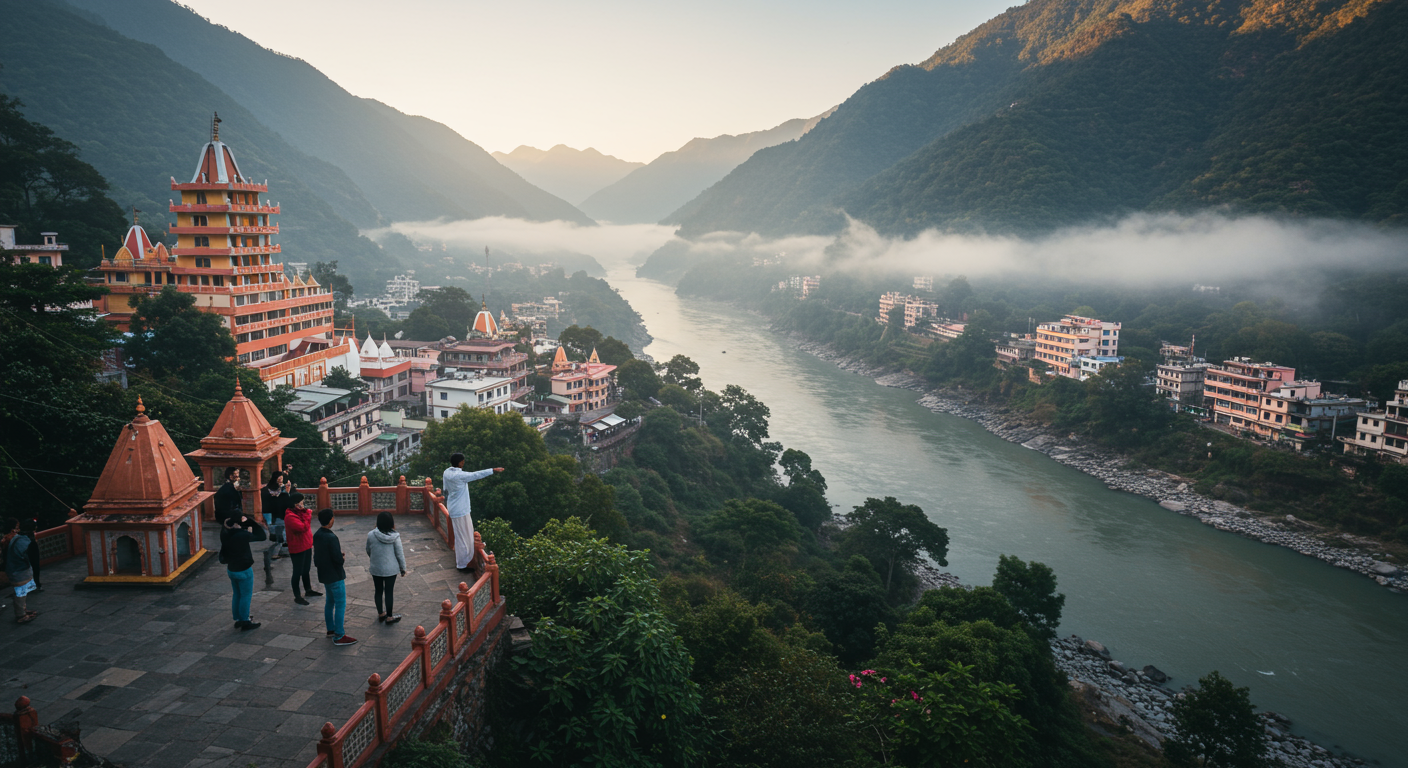
Unveiling Rishikesh: Your Gateway to Spiritual Adventure
Imagine the cool, crisp air carrying the scent of incense and the distant chime of temple bells, all while the majestic Ganges flows with an almost hypnotic rhythm. This isn’t just a dream; it’s the everyday reality waiting for you in Rishikesh. Often called the “Yoga Capital of the World” and the “Gateway to the Garhwal Himalayas,” this sacred town offers a unique blend of spiritual solace and adrenaline-pumping adventure. Crafting the perfect set of rishikesh itineraries & trip plans is essential to experiencing its diverse offerings, ensuring you don’t miss out on its magic, whether you’re seeking inner peace or outdoor thrills.
Many travelers arrive without a clear roadmap, missing some of the town’s most profound experiences. This guide is designed to provide practical, actionable advice, helping you navigate the spiritual currents and adventurous rapids of Rishikesh. We’ll answer your most pressing questions about planning your visit, from transportation and accommodation to must-see sights and hidden gems, making sure your rishikesh itineraries & trip plans are as enriching as possible. Prepare to dive deep into a destination that truly transforms.
Crafting Your Perfect Rishikesh Adventure: Why Planning Matters
Rishikesh is a destination that truly offers something for everyone, but its charm lies in its contrasts. On one hand, you have the serene ashrams and ancient temples, beckoning seekers of spiritual enlightenment. On the other, the roaring Ganges invites thrill-seekers for white-water rafting and bungee jumping. Without well-thought-out rishikesh itineraries & trip plans, you might find yourself overwhelmed by choices or, worse, missing out on experiences that resonate with your travel style. Effective planning helps you seamlessly blend these experiences, maximizing your time and enjoyment.
Understanding Rishikesh’s Unique Vibe
The town is essentially split into two main areas, Ram Jhula and Lakshman Jhula, connected by iconic suspension bridges. Each area has its own distinct energy. Ram Jhula is generally quieter, home to several prominent ashrams like the renowned Parmarth Niketan, famous for its elaborate Ganga Aarti ceremony each evening. This spiritual spectacle, where lamps are floated down the river amidst chanting, is a profoundly moving experience and often the highlight for many visitors. Lakshman Jhula, while also spiritual, tends to be more bustling, with a greater concentration of cafes, shops, and adventure sports operators. Understanding this distinction is crucial when you’re piecing together your stay.
A typical local detail you’ll notice is the price of a simple, delicious thali meal at a local eatery, often ranging from INR 150 to 300 (approximately $1.80 – $3.60 USD) in 2026. This affordability extends to many aspects of local life, making Rishikesh accessible for various budgets, especially if you plan your meals strategically.
Why Expert Rishikesh Itineraries & Trip Plans Make a Difference
The sheer volume of activities and places to see can be daunting. From morning yoga sessions overlooking the Ganges to thrilling afternoon rafting expeditions and peaceful evening meditations, your days can be packed. This is where truly effective rishikesh itineraries & trip plans in Rishikesh come into play. They act as your personal roadmap, ensuring you allocate enough time for both relaxation and adventure, without feeling rushed or missing important cultural experiences.
You might also be interested in: Read more about: Elevate Your Adventure Camping Rishik…
“An unplanned visit to Rishikesh is like approaching the rapids without a paddle; you might make it, but you’ll miss the best parts of the journey.”
By leveraging curated plans, you benefit from insights into optimal timing for activities, local transport nuances, and even knowing which experiences require advance booking. For instance, knowing the best time to visit the Neelkanth Mahadev Temple to avoid crowds, or securing a spot for a rafting trip during peak season, can transform your visit from good to truly exceptional. These plans help you tap into the local knowledge, ensuring a smoother, more authentic, and ultimately more memorable trip.
Navigating the Ganges: Practical Steps for Your Journey in Rishikesh
Once you’ve decided to embark on your Rishikesh adventure, the next step is to get down to the practicalities. How do you get there? What should you pack? And how do you ensure your experience is not only thrilling but also safe and comfortable? This section dives into the nuts and bolts of preparing for your trip, providing concrete advice for building the most effective rishikesh itineraries & trip plans.
Getting There and Around in Rishikesh
Reaching Rishikesh is relatively straightforward, with several options catering to different preferences and budgets. The nearest airport is Jolly Grant Airport (DED) in Dehradun, about 35 km away. From there, you can easily hire a taxi, which takes around 45 minutes to an hour and costs approximately INR 1000-1500. If you prefer trains, Rishikesh has its own railway station (RKSH), though many prefer the more connected Haridwar Junction (HW), just 25 km away, which has better connectivity to major Indian cities. Buses are also a popular and economical option, with regular services from Delhi and other northern cities.
Once you’re in town, getting around is mostly done on foot, especially between Ram Jhula and Lakshman Jhula, which are pedestrian-friendly. For longer distances or getting to specific attractions like the Neelkanth Mahadev Temple, shared auto-rickshaws or private taxis are readily available. Shared autos are a budget-friendly way to travel short distances, often costing as little as INR 20-50 per person for local routes. Always agree on the fare beforehand to avoid any misunderstandings.
Essential Packing and Safety Tips for Your Rishikesh Itineraries
Packing smart is key for a comfortable trip. Given Rishikesh’s spiritual nature, modest clothing is advisable, especially when visiting temples or ashrams. Lightweight, breathable fabrics are best for the warmer months, while layers are essential for the cooler evenings and mornings, particularly from October to March. Don’t forget comfortable walking shoes, as you’ll likely be doing a lot of exploring on foot. For adventure activities, quick-drying clothes and swimwear are a must.
Safety should always be a priority. While Rishikesh is generally safe, it’s wise to take precautions. Drink only bottled water, avoid street food from unhygienic vendors, and be mindful of your belongings in crowded areas. If you’re participating in adventure sports like white-water rafting, always choose reputable operators. Look for those with certified guides and proper safety equipment; relying on the guidance of experts in Rishikesh is paramount for a safe and enjoyable experience. For solo female travelers, it’s advisable to avoid walking alone after dark in secluded areas.
You might also be interested in: Read more about: Hot Air Balloon Rishikesh: Soaring Above…
- Modest Clothing: Essential for temple visits and general respect.
- Comfortable Footwear: For extensive walking and trekking.
- Water Bottle: Stay hydrated, ideally with filtered or bottled water.
- Sunscreen & Hat: Protection from the strong Himalayan sun.
- Basic First-Aid Kit: For minor cuts or ailments.
- Power Bank: Keep your devices charged for navigation and photos.
- Insect Repellent: Especially important during monsoon and evenings.
Beyond the Beaten Path: Uncovering the Best Rishikesh Itineraries & Trip Plans
While the iconic bridges and bustling ghats are undoubtedly charming, the true essence of Rishikesh often lies in its lesser-known corners and the experiences that cater to specific interests. To truly elevate your journey, your best rishikesh itineraries & trip plans in Rishikesh should incorporate a mix of popular attractions and hidden gems, allowing for both profound reflection and exhilarating adventure.
Must-See Landmarks and Underrated Gems
No trip to Rishikesh is complete without visiting the ancient Neelkanth Mahadev Temple. Situated at an altitude of 1330m, about 32 km from Rishikesh, this sacred site offers not only spiritual significance but also breathtaking panoramic views of the valley. The drive itself is an experience, winding through dense forests. Another cornerstone of Rishikesh’s adventure scene is Shivpuri, located 19km upstream. This is the undisputed hub for white-water rafting, offering various grades of rapids for beginners and experienced rafters alike. Booking a half-day rafting trip from Shivpuri is a top-rated in Rishikesh adventure that many visitors rave about.
For those seeking tranquility away from the main tourist throng, I highly recommend exploring some of Rishikesh’s underrated gems. The Patna Waterfall, for instance, is a secluded natural wonder reached after a pleasant trek through a dense forest. The path is not overly strenuous, but the reward of a pristine waterfall and untouched nature is immense. It’s a perfect spot for a quiet picnic or a refreshing dip. Another serene escape is the Phool Chatti Ashram Area. This quiet stretch of riverbanks and trails, slightly upstream from Lakshman Jhula, offers a peaceful retreat for meditation, birdwatching, or simply enjoying the Ganges without the constant buzz of activity. These spots allow for a deeper connection with nature and yourself, enriching any of the best rishikesh itineraries & trip plans.
Seasonal Considerations for Your Rishikesh Trip
The time of year you choose to visit Rishikesh can significantly impact your experience. The best time to visit is generally from October to March. During these months, the weather is pleasantly cool and dry, ideal for both spiritual activities and adventure sports. The Ganges water level is also perfect for rafting, and the clear skies offer stunning views of the surrounding mountains. This period also sees a higher influx of tourists, so expect more crowds and slightly higher prices for accommodation and activities.
The summer months (April to June) can be quite hot, with temperatures often soaring. While rafting is still possible, the heat might make extended outdoor exploration less comfortable. Monsoon season (July to September) transforms Rishikesh into a lush, green paradise, but also brings heavy rainfall. River rafting is typically closed during peak monsoon due to high water levels and strong currents, and trekking paths can become slippery. However, for those seeking a quiet, introspective experience amidst the verdant beauty, and understanding how weather patterns shift across Rishikesh is key, the monsoon offers a unique, albeit wetter, charm. Always check weather forecasts and local advisories if planning a monsoon visit.
Maximizing Your Experience: Insider Tips for Rishikesh
To truly immerse yourself in Rishikesh and move beyond the typical tourist experience, a few insider tips can make all the difference. These are the nuances that locals understand and often don’t share with casual visitors, offering a deeper, more authentic connection to this special place. Integrating these insights into your rishikesh itineraries & trip plans will set your trip apart.
You might also be interested in: Explore Rishikesh Adventures on Bucketlistt
Local Etiquette and Cultural Immersion
Rishikesh is a sacred town, and respecting local customs is paramount. When visiting temples or ashrams, always remove your shoes and dress modestly, covering your shoulders and knees. Photography might be restricted in some inner sanctums. A simple “Namaste” (hello) with folded hands is always appreciated. While bargaining is common in local markets, do so politely and with a smile; it’s part of the cultural exchange, but avoid aggressive haggling. Trying local vegetarian food is a must; Rishikesh is a strictly vegetarian and alcohol-free zone, reflecting its spiritual ethos. Don’t miss out on local delicacies like Aloo Puri, Chole Bhature, and various sweets.
One specific local tip: if you want to experience a truly authentic Ganga Aarti, try attending one at a smaller, less-known ghat away from Parmarth Niketan, such as Triveni Ghat. While Parmarth Niketan’s Aarti is grand, the one at Triveni Ghat often feels more intimate and devotional, offering a different, equally powerful, spiritual connection. This is a detail not often found in standard travel guides but highly valued by those seeking genuine cultural immersion.
Budgeting and Unexpected Costs in Rishikesh
Rishikesh can be surprisingly affordable, but smart budgeting is crucial, especially for longer stays. Accommodation ranges widely: a basic ashram stay can cost as little as INR 300-800 per night, while guesthouses might be INR 800-2000, and comfortable hotels upward of INR 2500. Food is generally inexpensive, with meals ranging from INR 150-500 per person per day depending on your choices. However, unexpected costs can arise.
Always factor in activity costs. A white-water rafting trip can range from INR 800-1500 per person, while a yoga class or meditation session might be INR 200-500. Don’t forget small expenses like bottled water, snacks, and souvenirs. It’s also wise to keep a small buffer for unexpected transport needs or medical emergencies. ATMs are available, but it’s always good to carry some cash, especially for smaller vendors or when venturing into more remote areas. Planning your best rishikesh itineraries & trip plans with these financial considerations in mind will prevent any unpleasant surprises.
Rishikesh is one of those rare destinations that genuinely delivers on its reputation — whether you come for the adrenaline, the spirituality, or simply to sit by the Ganga and think. This guide covered best rishikesh itineraries & trip plans in rishikesh, rishikesh itineraries & trip plans, rishikesh itineraries & trip plans in rishikesh, giving you the practical knowledge to plan a memorable visit. If you want a curated list of verified operators and activity packages, you can browse options on Bucketlistt.
Frequently Asked Questions about Rishikesh Itineraries & Trip Plans
What is the best time to visit Rishikesh for adventure activities?
The ideal time for adventure activities like white-water rafting and trekking in Rishikesh is from early October to mid-November and again from March to April. During these periods, the weather is pleasant, and river conditions are optimal for thrilling experiences.
How many days are enough for Rishikesh itineraries & trip plans?
For a balanced experience combining spiritual exploration, adventure, and relaxation, a 3 to 5-day trip is generally recommended. This allows sufficient time to visit major attractions, partake in activities, and soak in the serene atmosphere of Rishikesh.
Is Rishikesh safe for solo female travelers?
Rishikesh is largely considered safe for solo female travelers, particularly in the main tourist areas. However, like any travel destination, it’s advisable to exercise caution, avoid walking alone in secluded areas after dark, and trust your instincts. Sticking to well-lit and populated areas is always a good practice.
What should I pack for a trip to Rishikesh?
You should pack modest clothing suitable for temple visits, comfortable walking shoes, and layers for varying temperatures. Depending on the season, include swimwear for river activities, sunscreen, a hat, and a basic first-aid kit in your Rishikesh itineraries & trip plans.
Can I find authentic yoga and meditation classes in Rishikesh?
Absolutely, Rishikesh is renowned as the Yoga Capital of the World. You’ll find numerous ashrams and yoga centers offering authentic classes, retreats, and teacher training programs for all levels. Parmarth Niketan and Phool Chatti Ashram Area are excellent starting points for your search.
What are some budget-friendly accommodation options in Rishikesh?
Rishikesh offers a range of budget-friendly accommodations, including ashrams which provide basic lodging and meals, guesthouses, and hostels. Many options are available around Ram Jhula and Lakshman Jhula, catering to various price points for your Rishikesh itineraries.
Is it necessary to book adventure activities in advance for Rishikesh?
While you can often book activities like rafting on arrival, especially during off-peak seasons, it’s highly recommended to book in advance during peak tourist times (October-March). This ensures availability, secures your preferred slots, and often allows you to research and choose reputable operators for your Rishikesh trip plans.
What is the local food like in Rishikesh?
Rishikesh is a vegetarian-only town, offering delicious and wholesome Indian cuisine. Expect a variety of North Indian dishes, thalis, and fresh fruit juices. Many cafes also serve international vegetarian fare. Trying local sweets and street food from trusted vendors is a must.