
The crisp mountain air, the melodic chants echoing from ancient temples, and the powerful, sacred flow of the Ganges River – this is the essence of Rishikesh. Most travellers don’t realise that Rishikesh has two completely different personalities: the bustling spiritual hub around the iconic bridges and the serene, meditative retreats nestled in the surrounding hills. As someone who has spent considerable time exploring its depths, I can tell you that understanding the nuances of Rishikesh safety & travel advice is paramount to transforming a good trip into an extraordinary one. This comprehensive guide is designed to arm you with practical knowledge, ensuring your visit to this spiritual capital of the world is both safe and deeply enriching. We’ll delve into everything from navigating the local transport to discovering hidden gems, providing the best rishikesh safety & travel advice in rishikesh you’ll find anywhere.
Planning a journey to any new destination, especially one as vibrant and culturally rich as Rishikesh, comes with questions about logistics, local customs, and, most importantly, safety. This article will provide a practical roadmap, addressing common concerns and offering insider tips that go beyond the typical tourist brochures. Whether you’re seeking spiritual solace, adrenaline-pumping adventures, or simply a tranquil escape, mastering Rishikesh safety & travel advice will be your compass. Let’s embark on this journey together to uncover the secrets of a seamless and secure Rishikesh experience.
Embracing the Spirit of Rishikesh: What to Expect and Why It Matters
Rishikesh, nestled in the Himalayan foothills of Uttarakhand, is often dubbed the “Yoga Capital of the World” and is a revered pilgrimage site for Hindus. Its unique blend of spirituality, adventure, and natural beauty draws millions annually. But what truly defines Rishikesh is its palpable energy – a harmonious blend of ancient traditions and modern spiritual seeking. Understanding this atmosphere is key to appreciating your visit. This section will explain the specific experiences Rishikesh offers and why they are so compelling for travellers.
The Dual Persona of Rishikesh: Spirituality Meets Adventure
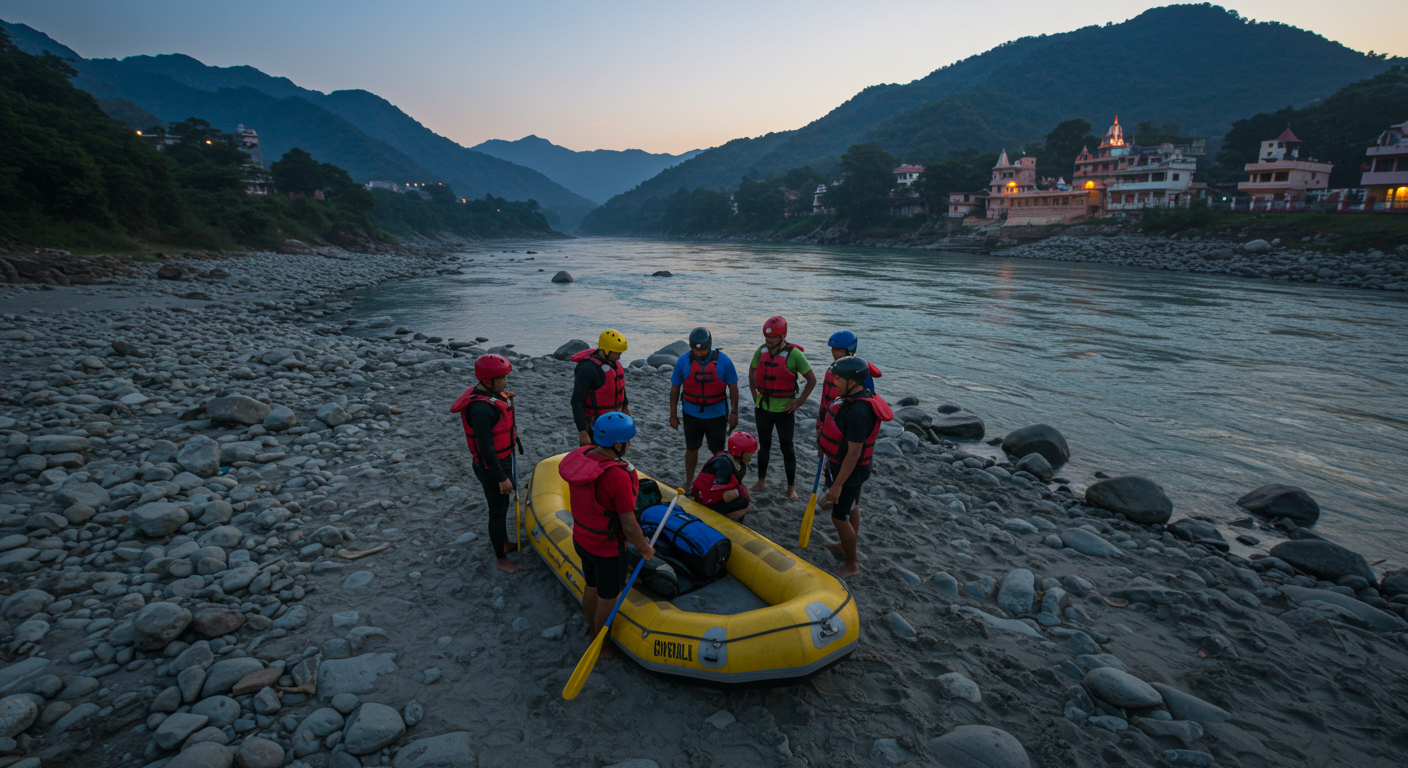
On one hand, Rishikesh is a sanctuary for spiritual seekers. The banks of the Ganges, especially at Triveni Ghat, come alive every evening with the mesmerizing Ganga Aarti, a fire ritual that is a profound sensory experience. Ashrams line the river, offering yoga, meditation, and philosophical teachings. Places like Vashishta Gufa, an ancient meditation cave, provide a sanctuary of silence, allowing for deep introspection. On the other hand, Rishikesh is an adventure sports paradise. The fast-flowing Ganges provides exhilarating white-water rafting opportunities, while Mohan Chatti, home to Jumpin Heights, offers India’s premier bungee jumping experience. This dual nature means that whether you’re looking for inner peace or an adrenaline rush, Rishikesh has something profound to offer. Navigating these diverse offerings with sound rishikesh safety & travel advice in rishikesh is crucial for a well-rounded trip.
Who Is Rishikesh For? A Destination for Every Soul
Rishikesh truly caters to a diverse audience. It’s a pilgrimage site for devout Hindus, a haven for yoga enthusiasts and spiritual aspirants, and an exciting playground for adventure seekers. Families find peace amidst the natural beauty and cultural experiences, while backpackers are drawn to its vibrant, international community and affordable lifestyle. The city’s relaxed vibe and natural splendor make it ideal for those simply looking to unwind. Even for a short visit, a proper understanding of rishikesh safety & travel advice can significantly enhance your experience, helping you choose activities that align with your interests and ensuring your well-being. For example, knowing the best time to visit Neer Garh Waterfall can make your hike much more enjoyable and safe.
You might also be interested in: Read more about: Mastering Your Rishikesh Adventure: Esse…
Navigating Rishikesh: Practical Step-by-Step Travel Guide
Embarking on a journey to Rishikesh requires some practical planning to ensure a smooth and enjoyable experience. From getting there to what to pack, these steps will guide you through the essentials. This section provides the most useful rishikesh safety & travel advice in rishikesh, covering everything from transportation to daily costs.
Getting There & Around: Your Rishikesh Transportation Blueprint
Rishikesh is well-connected. The nearest airport is Jolly Grant Airport (DED) in Dehradun, about 35 km away. From there, taxis are readily available, costing approximately ₹1,000-₹1,500 INR to reach Rishikesh. The nearest major railway station is Haridwar, about 25 km away, offering connections to most major Indian cities. Buses also run frequently from Delhi and other northern cities. Once in Rishikesh, getting around is easy. Shared auto-rickshaws are common and economical (₹10-₹50 for short distances), while private taxis can be hired for longer excursions. Walking is also a pleasant way to explore the areas around Lakshman Jhula and Ram Jhula. Always confirm fares before starting your journey to avoid misunderstandings, a key piece of rishikesh safety & travel advice.
Traveler’s Insight: When arriving at the airport or railway station, pre-booked taxis or ride-sharing apps (if available) can offer a more transparent pricing structure than negotiating with local taxi drivers directly. Always share your travel plans with someone back home.
Packing Essentials & Safety Protocols: What to Wear and How to Stay Safe
What you pack depends on the season, but generally, Rishikesh calls for comfortable, modest clothing, especially if you plan to visit temples or ashrams. Lightweight cottons are best for summers (April-June), while warm layers, including jackets and thermals, are essential for winters (November-February). A rain jacket is a must if visiting during monsoon (July-September). For footwear, sturdy walking shoes are indispensable, especially if you plan to hike to places like Neer Garh Waterfall or explore the Phool Chatti Ashram Area. Here’s a quick checklist for your bag:
You might also be interested in: Read more about: Your Ultimate Guide to Rishikesh Itinera…
- Modest Clothing: Shoulders and knees should be covered, especially in sacred sites.
- Reusable Water Bottle: Stay hydrated and reduce plastic waste.
- Basic First-Aid Kit: Includes band-aids, antiseptic, pain relievers, and any personal medications.
- Sun Protection: Sunscreen, hat, and sunglasses are vital.
- Insect Repellent: Especially for evenings or jungle treks.
- Power Bank: Keep your devices charged.
- Headlamp/Flashlight: Useful for early morning walks or power outages.
- Small Backpack: For day trips and carrying essentials.
Regarding safety, always be aware of your surroundings. Keep valuables secure and avoid walking alone in poorly lit areas at night. While Rishikesh is generally safe, petty theft can occur. Be cautious with unsolicited offers for tours or services. Trust your instincts. For women, it’s advisable to avoid overtly revealing clothing and to travel in groups or well-populated areas after dark. These are fundamental aspects of best rishikesh safety & travel advice in rishikesh.
Insider Tips & Best Practices for an Authentic Rishikesh Experience
Beyond the guidebooks, there are nuances to experiencing Rishikesh that only seasoned travellers or locals truly understand. These insider tips will help you delve deeper, avoid common pitfalls, and discover the true magic of this sacred town. This section provides expert-level rishikesh safety & travel advice to truly enhance your journey.
Timing Your Visit: Seasonal Wisdom and Daily Rhythms
The best time to visit Rishikesh is generally from late September to mid-November and from February to April. During these periods, the weather is pleasant, ideal for both spiritual activities and adventure sports. Summers (May-June) can be extremely hot, while monsoons (July-August) bring heavy rainfall, making some activities like rafting difficult and trails slippery. However, monsoon also transforms the landscape into a lush green paradise, offering a unique, tranquil experience for those seeking quiet reflection. The daily rhythm of Rishikesh also holds secrets. Early mornings are perfect for yoga by the Ganges or visiting Triveni Ghat for a holy dip before the crowds. Evenings are dedicated to the Ganga Aarti, with the summer Aarti starting around 6:00 PM and winter around 5:30 PM. Arriving at least 45 minutes early for good seating at Triveni Ghat is a local tip that makes all the difference.
Beyond the Mainstream: Underrated Gems and Local Etiquette
While the iconic Lakshman Jhula and Ram Jhula, along with The Beatles Ashram, are must-sees, Rishikesh holds many underrated gems. Seek out Goa Beach, a quiet white-sand stretch on the Ganges near Laxman Jhula, popular among backpackers for its serene vibes. Explore the Phool Chatti Ashram Area for tranquil riverbanks and trails, a peaceful escape from the main city’s bustle. For a more profound spiritual experience, consider visiting Neelkanth Mahadev Temple, situated at 1330m with panoramic valley views, or the ancient Vashishta Gufa (Cave), open from 8:00 AM – 12:00 PM and 3:00 PM – 6:00 PM. These spots offer a different perspective of Rishikesh, often less crowded and more authentic. When interacting with locals, a simple “Namaste” goes a long way. Dress modestly, especially when visiting religious sites, and always remove your shoes before entering temples or ashrams. Bargaining is common in local markets, but do so respectfully. This local insight is part of the best rishikesh safety & travel advice in rishikesh you can receive.
You might also be interested in: Explore Rishikesh Adventures on Bucketlistt
One specific local detail worth noting is the ‘langar’ (community meal) served at many ashrams, often free or for a small donation. This is a beautiful way to experience the local culture and hospitality. However, always ensure the food is freshly prepared and hot to avoid any health issues. When considering adventure activities like bungee jumping at Jumpin Heights (approx. ₹4500) or rafting, always book through reputable operators. The rishikesh safety & travel advice here is to prioritize certified guides and proper equipment. A flying fox ride at Jumpin Heights can cost around ₹2500, with combos ranging from ₹7000-₹9000, illustrating the range of activities and their associated costs.
Remember, the Ganges is sacred, but its currents can be strong. If you plan to take a holy dip, do so only in designated, safe areas and avoid venturing too far from the banks. Always be mindful of your personal belongings, especially in crowded areas like the markets around the Jhulas. These small precautions are essential elements of sound rishikesh safety & travel advice.
Rishikesh is one of those rare destinations that genuinely delivers on its reputation — whether you come for the adrenaline, the spirituality, or simply to sit by the Ganga and think. This guide covered best rishikesh safety & travel advice in rishikesh, rishikesh safety & travel advice, rishikesh safety & travel advice in rishikesh, giving you the practical knowledge to plan a memorable visit. If you want a curated list of verified operators and activity packages, you can browse options on Bucketlistt.
Frequently Asked Questions about Rishikesh Safety & Travel Advice
Is Rishikesh generally safe for solo female travelers?
Rishikesh is considered relatively safe for solo female travelers, especially in popular tourist areas. However, it’s always wise to exercise caution, avoid walking alone in secluded or dimly lit areas at night, and dress modestly. Following general rishikesh safety & travel advice will ensure a comfortable trip.
How much does a typical adventure activity cost in Rishikesh?
Costs vary by activity. River rafting typically ranges from INR 600–1,500 depending on the stretch (9 km, 16 km, or 36 km). Bungee jumping from 83 m costs around INR 3,500–4,500. Paragliding tandem flights range from INR 2,500–4,000. Camping packages with meals usually start at INR 1,500–2,500 per person per night. Always confirm what is included before booking.
What should I wear and bring for adventure activities in Rishikesh?
Wear comfortable, athletic clothing that you don’t mind getting wet. Closed-toe shoes (trainers or sandals with straps) are essential for rafting and trekking. Bring a valid photo ID, some cash in INR, a change of clothes, and a small waterproof bag for your phone and valuables. Sunscreen and a water bottle are important for longer activities.
How do I get from Rishikesh to the bungee jump or rafting starting point?
Most adventure activity start points are 15–30 km from Rishikesh town. Auto-rickshaws and shared taxis are available from Laxman Jhula and Ram Jhula areas. Many operators offer free or low-cost pickup from a central meeting point in Rishikesh — confirm this when booking. The drive through the Himalayan foothills is itself a scenic experience worth savouring.
Are there age or weight restrictions for activities in Rishikesh?
Yes — most operators have safety-based restrictions. Bungee jumping typically requires participants to be 12+ years old, weigh between 40–110 kg, and have no history of heart conditions or back problems. Rafting generally accepts ages 14+ on the standard routes. Paragliding requires a weight limit of around 100–110 kg maximum. Always check the specific operator’s requirements when booking.
Is Rishikesh safe for solo travellers?
Yes — Rishikesh is generally considered safe for solo travellers, including solo female travellers. The city is a popular destination with a strong tourist infrastructure, well-lit main roads, and a vibrant community of yoga and adventure seekers. As with any travel, stay aware of your surroundings, book activities through verified operators, and keep your accommodation details handy.