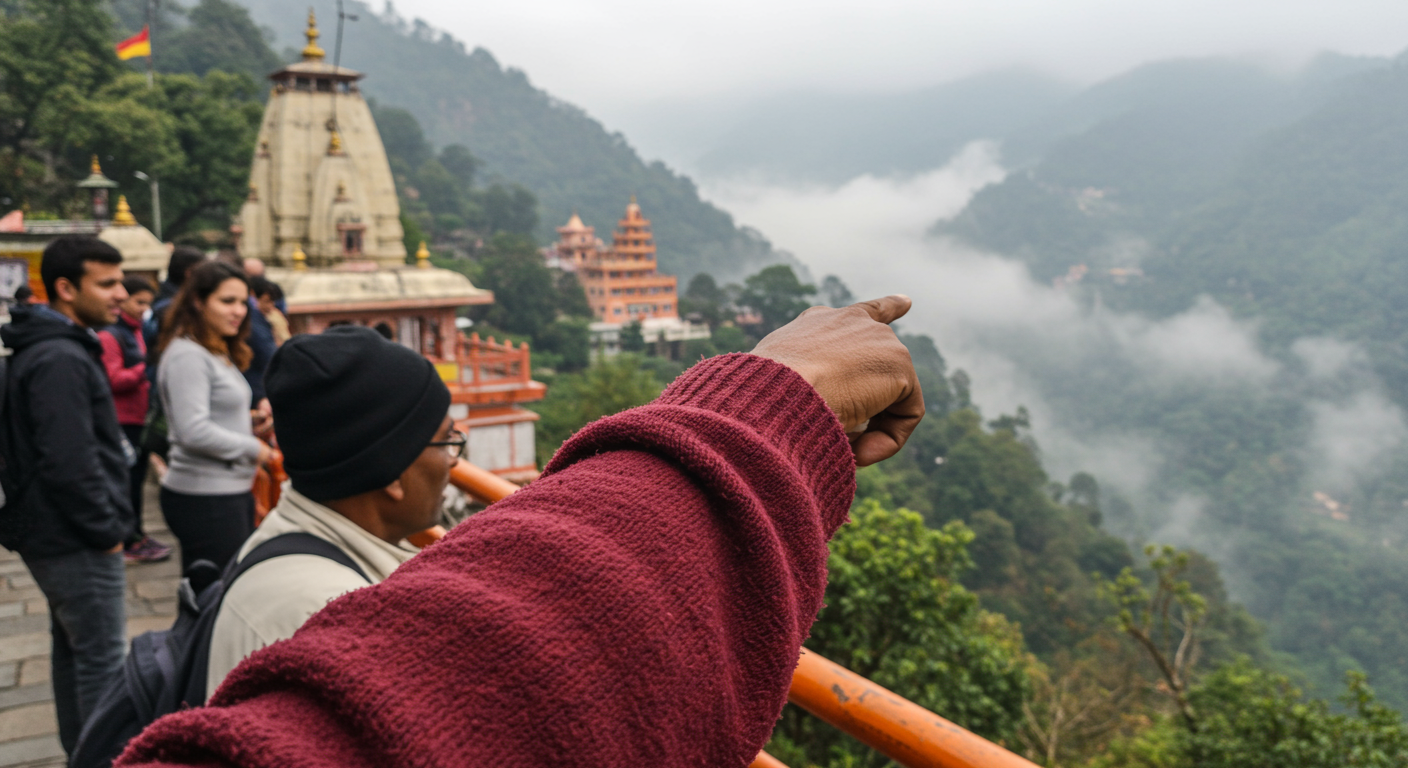
The first time I stepped into Rishikesh, the vibrant energy was palpable. The scent of incense mingled with the fresh mountain air, and the distant chants from ashrams created a unique symphony. But beneath the spiritual allure, I quickly realized that understanding rishikesh transport & getting around was key to truly unlocking its magic. This isn’t a city where you just hail a cab; it’s a place with its own rhythm of movement, from shared autos to scenic walks. My goal here is to share everything I’ve learned, ensuring your visit to this incredible destination is seamless and stress-free.
Forget the generic travel guides. This article is born from countless trips and local insights, designed to answer every practical question you might have about mobility in Rishikesh. We’ll delve into the nuances of local transport, reveal the best rishikesh transport & getting around in rishikesh strategies, and equip you with the knowledge to explore freely, from sacred ghats to hidden waterfalls. By the end, you’ll be navigating the winding roads and pedestrian lanes like a seasoned local, making the most of every moment in this spiritual haven.
Understanding Rishikesh Transport: Options and Why It Matters
Rishikesh, nestled in the foothills of the Himalayas, offers a blend of bustling market streets and serene riverside paths. The layout means that your choice of transport can significantly impact your experience. Knowing your options for rishikesh transport & getting around in rishikesh isn’t just about convenience; it’s about embracing the local culture and optimizing your time. From quick jaunts between ashrams to adventurous treks to waterfalls, each mode of transport serves a distinct purpose.
You might also be interested in: Read more about: Mastering Skywalk & Cliff Jumping in Ris…
Many first-time visitors underestimate the distances between key areas like Laxman Jhula, Ram Jhula, and the main market. While the spiritual heart of Rishikesh is often explored on foot, venturing further afield to places like Neelkanth Mahadev Temple or the serene Vashishta Gufa requires a more strategic approach to your mobility. Understanding these options will help you budget effectively and plan your days efficiently, ensuring you spend less time worrying about logistics and more time soaking in the spiritual ambiance.
What to Expect from Rishikesh’s Local Transport Network
The primary modes of local rishikesh transport & getting around are auto-rickshaws, shared taxis, and two-wheelers for rent. Auto-rickshaws, affectionately known as ‘autos,’ are ubiquitous and easily identifiable with their yellow and black livery. They are perfect for short to medium distances within the main town and across the bridges. Always negotiate fares before starting your journey, especially if you’re hiring one privately. For instance, a ride from Tapovan to Triveni Ghat might typically cost around INR 100-150, but prices can fluctuate based on demand and your bargaining skills.
Shared autos and ‘Vikrams’ (larger shared taxis) operate on fixed routes and are incredibly economical. These are the lifeblood of local commuting for residents and a fantastic way for budget travelers to experience the local pace. You’ll find them at designated stands or simply by hailing them from the roadside. While less comfortable than a private auto, they offer a genuine glimpse into daily life in Rishikesh. For those seeking more independence, renting a scooter or motorbike is a popular choice, allowing you to explore at your own pace, especially for destinations further out like Neer Garh Waterfall or Garud Chatti Waterfall.
You might also be interested in: Read more about: Defy Gravity: Your Ultimate Guide to …
Who Is It Best For: Matching Transport to Your Travel Style
Choosing the best rishikesh transport & getting around in rishikesh depends entirely on your personal travel style and itinerary. If you’re a solo backpacker on a tight budget and enjoy immersing yourself in local life, shared autos and walking will be your best friends. They offer affordability and a chance to interact with locals. For families or those prioritizing comfort and direct routes, private auto-rickshaws are an excellent choice, providing door-to-door service without the hassle of multiple stops.
Advent
Planning Your Visit to Rishikesh
Rishikesh rewards travellers who plan ahead. The best experiences — whether a dawn yoga session by the Ganges, white-water rafting on grade IV rapids, or an evening Ganga Aarti at Triveni Ghat — often require booking a day or two in advance during peak season (October–November and March–May). Arriving with a flexible itinerary and an open mind is the best way to make the most of what Rishikesh offers.
Booking adventure activities in Rishikesh at least 2–3 days in advance is strongly recommended during weekends and public holidays, when slots for bungee jumping, paragliding, and rafting fill up quickly.
You might also be interested in: Explore Rishikesh Adventures on Bucketlistt
Rishikesh has a well-developed adventure tourism infrastructure with certified operators, trained guides, and safety equipment maintained to international standards — making it one of India’s safest adventure destinations.
Essential Rishikesh Travel Checklist
- Book activity slots 2–3 days in advance during peak season (Oct–Nov and Mar–May)
- Wear athletic, quick-dry clothing and closed-toe shoes for all outdoor activities
- Carry a government-issued photo ID — required at most activity centres
- Disclose any medical conditions before signing the activity consent form
- Confirm whether video coverage is included or costs extra before booking
- Respect Rishikesh’s spiritual atmosphere — alcohol is prohibited within the city limits
- Carry cash (INR) for small vendors, auto-rickshaws, and local eateries
Rishikesh is one of those rare destinations that genuinely delivers on its reputation — whether you come for the adrenaline, the spirituality, or simply to sit by the Ganga and think. This guide covered best rishikesh transport & getting around in rishikesh, rishikesh transport & getting around, rishikesh transport & getting around in rishikesh, giving you the practical knowledge to plan a memorable visit. If you want a curated list of verified operators and activity packages, you can browse options on Bucketlistt.
Frequently Asked Questions
What is the best time to visit Rishikesh for adventure activities?
The best time to visit Rishikesh for adventure sports is October to November and February to May. The weather is clear, the Ganges water level is ideal for rafting, and most outdoor operators are fully active. Avoid the July–September monsoon season when heavy rainfall suspends many river and outdoor activities.
Do I need prior experience for white-water rafting in Rishikesh?
No prior experience is required for most Rishikesh rafting stretches. The 9 km Brahmpuri to Rishikesh route is ideal for beginners with grade I–II rapids. The 16 km Marine Drive to Rishikesh route is suitable for first-timers who want a bit more excitement (grade III rapids). The 36 km Shivpuri stretch is recommended for those comfortable in water and seeking grade III–IV rapids.
How do I get from Rishikesh to the bungee jump or rafting starting point?
Most adventure activity start points are 15–30 km from Rishikesh town. Auto-rickshaws and shared taxis are available from Laxman Jhula and Ram Jhula areas. Many operators offer free or low-cost pickup from a central meeting point in Rishikesh — confirm this when booking. The drive through the Himalayan foothills is itself a scenic experience worth savouring.
What should I wear and bring for adventure activities in Rishikesh?
Wear comfortable, athletic clothing that you don’t mind getting wet. Closed-toe shoes (trainers or sandals with straps) are essential for rafting and trekking. Bring a valid photo ID, some cash in INR, a change of clothes, and a small waterproof bag for your phone and valuables. Sunscreen and a water bottle are important for longer activities.
Are there age or weight restrictions for activities in Rishikesh?
Yes — most operators have safety-based restrictions. Bungee jumping typically requires participants to be 12+ years old, weigh between 40–110 kg, and have no history of heart conditions or back problems. Rafting generally accepts ages 14+ on the standard routes. Paragliding requires a weight limit of around 100–110 kg maximum. Always check the specific operator’s requirements when booking.
Is Rishikesh safe for solo travellers?
Yes — Rishikesh is generally considered safe for solo travellers, including solo female travellers. The city is a popular destination with a strong tourist infrastructure, well-lit main roads, and a vibrant community of yoga and adventure seekers. As with any travel, stay aware of your surroundings, book activities through verified operators, and keep your accommodation details handy.