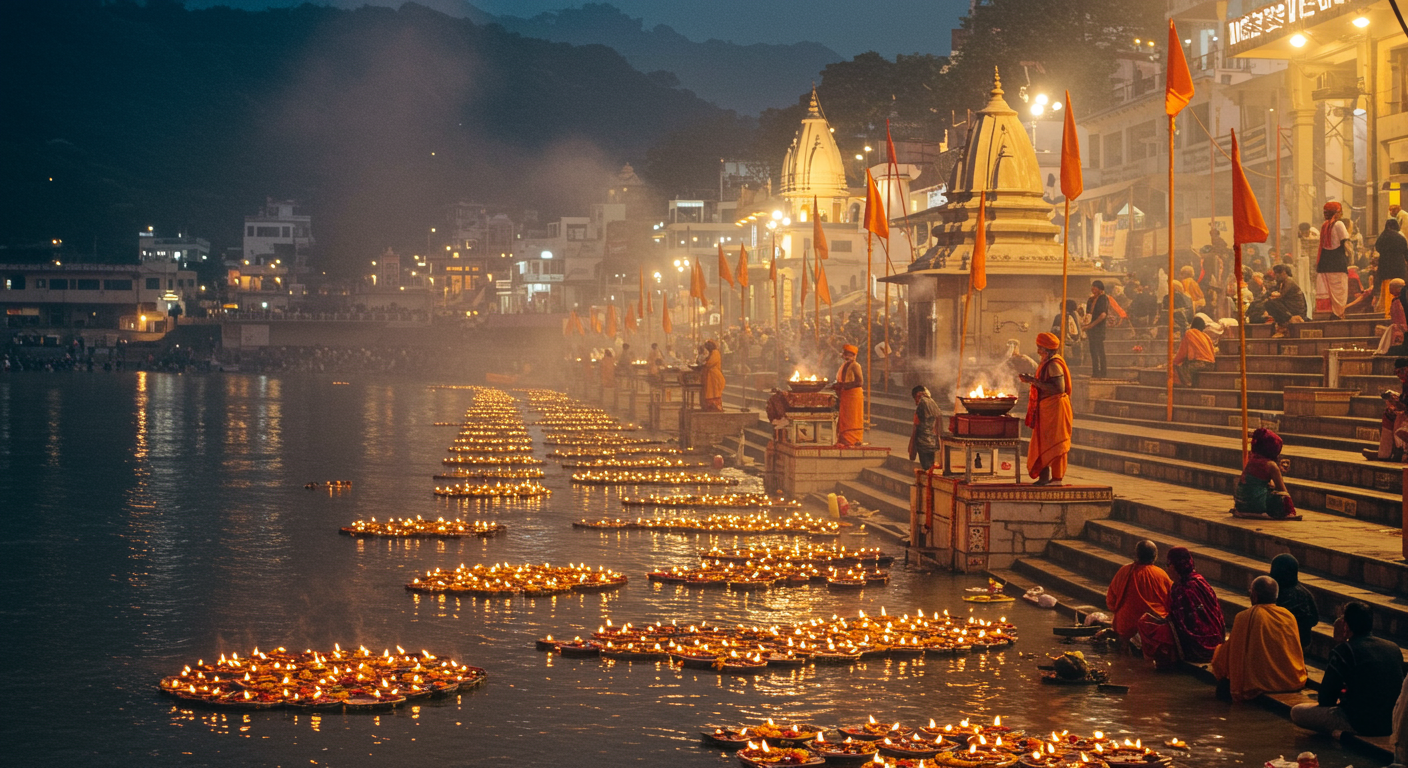
The first light of dawn over the Ganges in Rishikesh casts a golden glow, illuminating ancient temples and bustling ghats. You hear the faint chants, the distant bells, and the gentle murmur of the river, beckoning you to explore. But how do you navigate this spiritual hub, often perceived as a maze of narrow lanes and winding roads? Understanding rishikesh transport & getting around is the key to unlocking an unforgettable experience.
Most travelers don’t realize that while Rishikesh exudes a serene, ancient charm, its internal transport network is surprisingly diverse, offering everything from quaint walks to robust taxi services. This guide will cut through the guesswork, providing you with practical, up-to-date (2026 data) advice on how to move efficiently and enjoyably. We’ll cover everything from local options to reaching iconic sites and hidden gems, ensuring your focus remains on the spiritual and adventurous spirit of your trip, not on logistical headaches. Get ready to master rishikesh transport & getting around like a local.
Why Understanding Rishikesh Transport & Getting Around is Crucial for Your Trip
Rishikesh is more than just a destination; it’s an experience. From the tranquil banks of the Ganges to the thrilling rapids of Shivpuri, each corner offers a unique flavor. However, without a clear understanding of rishikesh transport & getting around, you might spend valuable time figuring out logistics instead of soaking in the spiritual ambiance or embarking on an adventure. The diverse landscape, from flat riverside paths to steep mountain roads, necessitates varied transport solutions.
Knowing your options empowers you to choose wisely, whether you’re seeking solitude, adventure, or cultural immersion. It impacts your budget, your schedule, and ultimately, the quality of your visit. This section will delve into the layout of the city and underscore why informed transport choices are paramount for any visitor.
Understanding Rishikesh’s Unique Layout and Zones
Rishikesh isn’t a single, homogenous town; it’s a collection of distinct zones, each with its own character and accessibility challenges. The main areas include Rishikesh town (the commercial center), Muni Ki Reti (home to many ashrams and the famous Ram Jhula), Lakshman Jhula area (another popular ashram and market zone), and the outer regions stretching towards the Himalayas for adventure activities.
For example, the areas around Ram Jhula and Lakshman Jhula are largely pedestrian-friendly, with narrow lanes where vehicles are often restricted or move very slowly. Walking is often the best rishikesh transport & getting around in rishikesh for exploring these spiritual arteries. However, reaching these pedestrian zones from the main bus stand or railway station requires a different approach. Understanding these geographical nuances is the first step to planning your journeys effectively and choosing the right mode of transport for each leg of your adventure.
The Importance of Smart Travel Choices for a Fulfilling Journey
Making smart travel choices extends beyond just getting from point A to point B. It involves considering comfort, cost, time, and environmental impact. Opting for shared auto-rickshaws, for instance, can be incredibly budget-friendly and offers a glimpse into local life. Conversely, hiring a private taxi provides convenience and speed, especially for longer distances or late-night travel. The availability of reliable rishikesh transport & getting around options directly influences how much you can see and do.
Moreover, Rishikesh’s spiritual ethos encourages a mindful approach to everything, including travel. Choosing to walk along the ghats or rent a bicycle allows for a deeper connection with the surroundings, fostering a sense of peace and discovery. Ultimately, informed decisions about your transport options enhance your overall experience, allowing you to immerse yourself fully in the magic of this sacred place without unnecessary stress.
You might also be interested in: Read more about: Unveiling the Best Hostels in Rishikesh:…
Navigating Rishikesh: Your Options for Getting Around
Once you’ve arrived in Rishikesh, a fascinating array of local transport options awaits. From the ubiquitous auto-rickshaws to the increasingly popular two-wheelers, and the timeless simplicity of walking, there’s a mode for every preference and budget. This section will break down the most common methods for rishikesh transport & getting around, offering practical advice on how to utilize each one effectively.
Whether you’re looking for an economical ride, the freedom of personal transport, or simply the joy of exploring on foot, knowing these options will make your movements seamless. We’ll also touch upon the approximate costs and the best scenarios for each choice, ensuring you’re well-prepared for your explorations in this spiritual town.
Local Transport: Auto-rickshaws, Taxis, and Scooters
Auto-rickshaws are the lifeblood of local transport in Rishikesh. They are plentiful and can take you almost anywhere within the main town and its immediate surroundings. For short distances, expect to pay anywhere from INR 30-100 depending on the distance and your bargaining skills. Always negotiate the fare before starting your journey. Shared autos are even cheaper, often running on fixed routes between key points like the bus stand, Ram Jhula, and Lakshman Jhula, charging as little as INR 10-20 per person.
For longer excursions, such as to Neelkanth Mahadev Temple or Shivpuri for rafting, taxis are a more comfortable and advisable option. You can hire them for a full day or for specific point-to-point transfers. A round trip to Neelkanth Mahadev Temple might cost INR 1000-1500, while a drop-off at Shivpuri for rafting could be around INR 300-500. It’s always wise to book through reputable taxi services in Rishikesh or your accommodation to ensure fair pricing and reliable drivers. For those seeking independence, renting a scooter or motorcycle is an excellent choice. Rental shops are common around the Lakshman Jhula area, with daily rates typically ranging from INR 300-600. This gives you the freedom to explore at your own pace, especially if you plan to venture to places like The Beatles Ashram or Goa Beach.
Insider Tip: When hiring an auto or taxi, always clarify if the quoted price is for one-way or round-trip, and if it includes waiting time. This avoids misunderstandings and ensures a smooth experience.
Exploring on Foot and Cycling for Immersion
For many visitors, the truest way to experience Rishikesh is on foot. The areas around Ram Jhula and Lakshman Jhula, with their vibrant markets, ashrams, and ghats, are best explored by walking. The pedestrian bridges themselves offer breathtaking views of the Ganges and are an integral part of the experience. Walking allows you to discover hidden cafes, interact with locals, and fully absorb the spiritual energy of the place. Goa Beach, a quiet white-sand beach on the Ganges near Laxman Jhula, is easily accessible by a short walk from the main road, offering a serene escape that vehicles cannot reach.
For those who enjoy a more active exploration, cycling is gaining popularity, especially for morning rides along the quieter stretches of road or through the ashram lanes. Several guesthouses and rental shops offer bicycles for a nominal daily fee (INR 100-200). This is a fantastic way to cover moderate distances, visit nearby attractions like Rishikund – a sacred ancient pond near Raghunath Temple – and enjoy the fresh air without relying on motorized transport. It’s also an environmentally friendly choice, aligning with the spiritual essence of the city. The gentle slopes and relatively calm traffic (outside peak hours) make it a pleasant way to experience the local environment.
You might also be interested in: Read more about: Your BUCKETLISTT Guide to an Epic SCA…
Planning Your Journeys: Key Routes and Destinations
With a better grasp of the available transport options, let’s now focus on how to strategically plan your movements to reach Rishikesh’s most iconic and serene spots. Effective planning for rishikesh transport & getting around ensures you maximize your time and minimize hassle, allowing for deeper engagement with the unique offerings of this spiritual haven. This section outlines how to access major spiritual sites, adventure hubs, and some of the lesser-known but equally captivating locations.
From the ancient temples nestled in the hills to the vibrant riverside ashrams and hidden beaches, knowing the best routes and transport modes will make all the difference. We’ll also consider factors like time of day and typical costs to help you budget and schedule your explorations efficiently.
Reaching Iconic Spiritual Sites and Ashrams
Rishikesh is dotted with numerous ashrams and temples, each holding spiritual significance. To reach the famous Ram Jhula and Lakshman Jhula suspension bridges, which are largely pedestrian, you’ll typically take an auto-rickshaw or taxi to their respective parking areas. From there, it’s a pleasant walk across the bridges, offering panoramic views of the Ganges. Many ashrams, including the Parmarth Niketan and Sivananda Ashram, are conveniently located within walking distance of these bridges.
For the historic Beatles Ashram (Chaurasi Kutia), situated a short distance from Lakshman Jhula, you can opt for a short auto-rickshaw ride (approx. INR 50-100) or enjoy a leisurely walk along the riverbank path, which takes about 20-30 minutes. The entrance fee is INR 600 for foreigners and INR 150 for Indians. To visit the revered Neelkanth Mahadev Temple, perched at 1330m, a taxi is the most practical choice. The winding mountain road makes it a scenic but challenging drive, usually taking about 1.5 to 2 hours one-way, costing around INR 1000-1500 for a round trip. It’s advisable to start early to avoid crowds and enjoy the panoramic valley views.
Adventure Hubs and Underrated Gems Across Rishikesh
Beyond the spiritual, Rishikesh is a renowned adventure capital. The primary hub for white-water rafting and camping is Shivpuri, located 19km upstream from Rishikesh town. To get there, you can hire a private taxi (INR 300-500 one-way) or use shared taxis/jeeps that frequently ply this route, charging around INR 50-100 per person. Many rafting operators also provide shuttle services in Rishikesh as part of their packages, making it convenient to reach the starting points.
Don’t miss the underrated gems that offer a different perspective of the area. For instance, Goa Beach, a serene spot by the Ganges, is best reached by walking from Lakshman Jhula. It’s a perfect place for quiet reflection or a picnic, far from the main tourist bustle. Another hidden treasure is Rishikund, a sacred pond reflecting the nearby Shani temple. It’s located close to the Raghunath Temple in the older part of Rishikesh town and is easily accessible by a short auto-rickshaw ride or a walk from the main market area. Exploring these spots often requires a combination of walking and local transport, showcasing the versatility of rishikesh transport & getting around in rishikesh.
Insider Tips for Efficient Rishikesh Transport & Getting Around
Having navigated Rishikesh myself countless times, I’ve gathered some invaluable insights that can transform your travel experience. These aren’t just generic tips; they are observations from the ground, designed to give you an edge in mastering rishikesh transport & getting around. From understanding seasonal impacts to leveraging digital tools, these tips will help you move with greater ease and confidence.
You might also be interested in: Explore Rishikesh Adventures on Bucketlistt
The goal is to empower you to make informed decisions that save time, money, and potential frustration, allowing you to fully immerse yourself in the vibrant culture and breathtaking landscapes. Let’s dive into the nuances that only experienced travelers know.
Seasonal Considerations and Safety Best Practices
The season significantly impacts your transport choices. During the peak season (October to March), roads, especially around the Jhulas, can be congested. Walking is often faster for short distances. Monsoon season (July to September) brings heavy rains, making some roads slippery and increasing travel time, particularly to hilly areas like Neelkanth Mahadev Temple. Always check weather forecasts and road conditions if traveling during monsoon. During the summer months (April to June), the heat can make long walks uncomfortable, so relying more on auto-rickshaws or taxis for daytime travel is advisable.
Safety is paramount. When hiring a taxi or auto-rickshaw, especially at night, ensure the vehicle looks well-maintained and the driver appears professional. It’s always a good idea to share your travel plans with your accommodation or a trusted friend. If renting a scooter, always wear a helmet (it’s legally required and smart practice) and ensure you have a valid international driving permit if you’re a foreign national. Roads can be uneven, and traffic unpredictable. For any adventure activities, make sure you’re dealing with experts in Rishikesh who have proper safety certifications and equipment.
Budgeting and Leveraging Digital Tools for Seamless Travel
Effective budgeting for rishikesh transport & getting around can save you a significant amount. For instance, opting for shared auto-rickshaws whenever possible drastically cuts down costs compared to private hires. If you plan many day trips, negotiating a package deal with a taxi driver for multiple destinations can be more economical than individual trips. Always carry small denominations of Indian Rupees (INR), as drivers may not always have change for larger notes.
Leveraging digital tools has revolutionized travel in Rishikesh. While ride-sharing apps like Uber or Ola are not as prevalent or reliable here as in larger Indian cities, local taxi booking apps or contacting your hotel for trusted driver recommendations are excellent alternatives. Google Maps is indispensable for navigation, especially for understanding walking routes and estimating distances. Many local businesses now use WhatsApp for bookings, including adventure tour operators, making communication for rafting or trekking easier. For the best rishikesh transport & getting around in rishikesh, combine traditional methods with smart digital planning.
Essential Rishikesh Travel Checklist
- Book activity slots 2–3 days in advance during peak season (Oct–Nov and Mar–May)
- Wear athletic, quick-dry clothing and closed-toe shoes for all outdoor activities
- Carry a government-issued photo ID — required at most activity centres
- Disclose any medical conditions before signing the activity consent form
- Confirm whether video coverage is included or costs extra before booking
- Respect Rishikesh’s spiritual atmosphere — alcohol is prohibited within the city limits
- Carry cash (INR) for small vendors, auto-rickshaws, and local eateries
Rishikesh is one of those rare destinations that genuinely delivers on its reputation — whether you come for the adrenaline, the spirituality, or simply to sit by the Ganga and think. This guide covered best rishikesh transport & getting around in rishikesh, rishikesh transport & getting around, rishikesh transport & getting around in rishikesh, giving you the practical knowledge to plan a memorable visit. If you want a curated list of verified operators and activity packages, you can browse options on Bucketlistt.
Frequently Asked Questions about Rishikesh Transport & Getting Around
What are the most common modes of local transport in Rishikesh?
The most common modes of local transport in Rishikesh are auto-rickshaws (both private and shared), taxis, and rented scooters or bicycles. Walking is also highly popular, especially in the pedestrian-friendly areas around the Jhulas.
Is it safe to rent a scooter for rishikesh transport & getting around?
Renting a scooter can be safe if you are an experienced rider and exercise caution. Always wear a helmet, possess a valid international driving permit, and be aware of unpredictable traffic and road conditions. Ensure the rental company is reputable.
How much does an auto-rickshaw typically cost for short distances in Rishikesh?
For short distances within Rishikesh, an auto-rickshaw typically costs between INR 30 to INR 100. It’s always best to negotiate the fare with the driver before you start your journey to avoid any surprises.
What’s the best way to get to Shivpuri for river rafting from Rishikesh?
The best way to get to Shivpuri for river rafting is by hiring a private taxi or utilizing shared taxis/jeeps. Many rafting operators also provide pick-up and drop-off services as part of their adventure packages, making rishikesh transport & getting around to Shivpuri convenient.
Are ride-sharing apps like Uber or Ola available in Rishikesh?
Ride-sharing apps like Uber or Ola are not widely available or consistently reliable in Rishikesh. It’s more common to rely on local taxi stands, auto-rickshaws, or pre-booking through your hotel for transport needs in the area.
How can I reach The Beatles Ashram using local transport?
To reach The Beatles Ashram, you can take a short auto-rickshaw ride from Lakshman Jhula, which will cost around INR 50-100. Alternatively, a pleasant 20-30 minute walk along the riverbank from Lakshman Jhula is also a popular option.
What is the most scenic way to explore the spiritual sites of Rishikesh?
The most scenic way to explore the spiritual sites, especially around Ram Jhula and Lakshman Jhula, is by walking. This allows you to fully immerse yourself in the atmosphere, discover hidden pathways, and appreciate the views of the Ganges and surrounding temples.