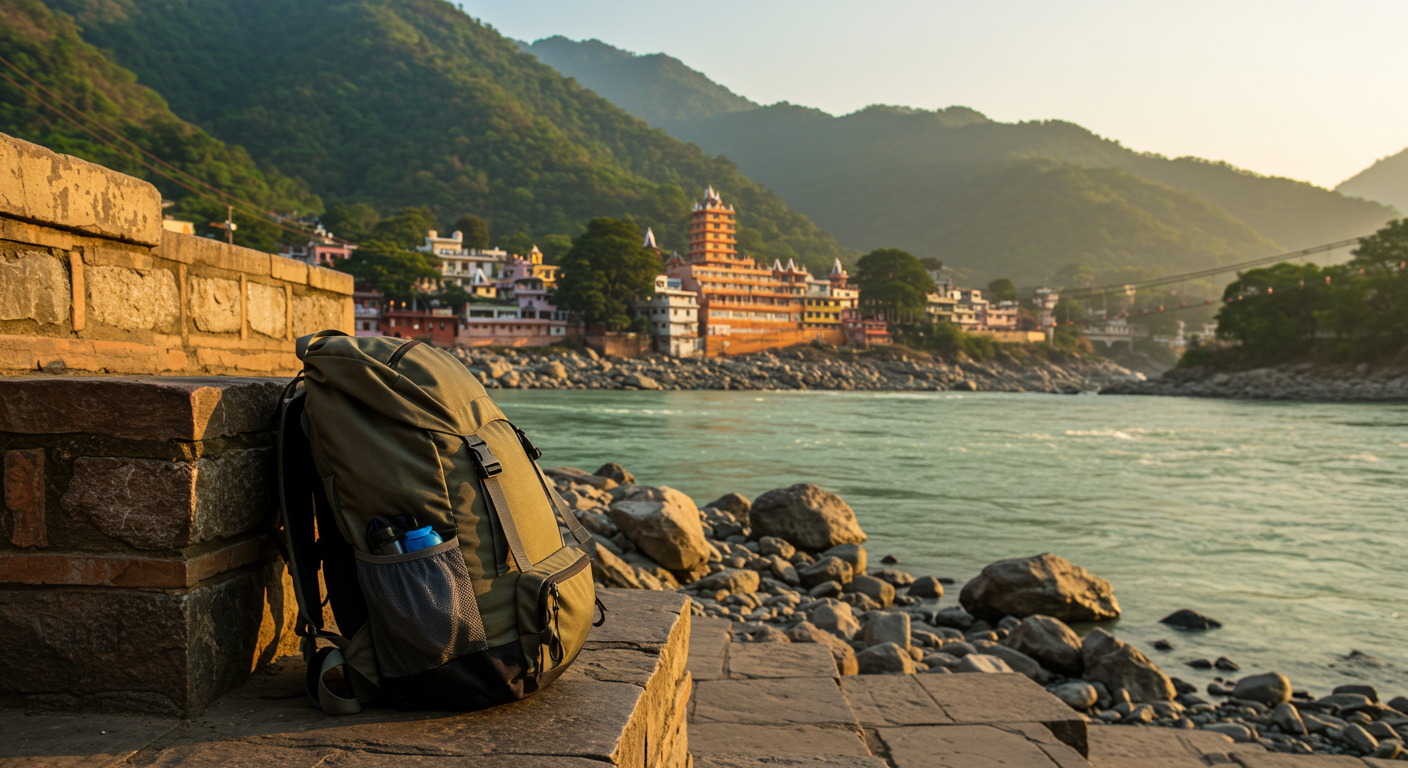
Navigating Rishikesh: Your Gateway to Spiritual Adventure
The distant chime of temple bells mingles with the gentle roar of the Ganges, carrying whispers of ancient wisdom and the promise of exhilarating adventures. Most travellers don’t realise that Rishikesh has two completely different personalities: a serene spiritual retreat by day and a vibrant hub for white-water rafting and cliff jumping just minutes away. My goal is to share practical, hard-won advice to help you craft an unforgettable journey to this unique destination. This comprehensive guide will equip you with the best solutions in Rishikesh, covering everything from sacred sites to adventure sports, ensuring your visit is seamless and enriching. Whether you’re seeking inner peace or an adrenaline rush, mastering rishikesh travel tips & planning is key to unlocking the true potential of this incredible place.
Unveiling Rishikesh: More Than Just a Spiritual Hub
Often hailed as the “Yoga Capital of the World,” Rishikesh is a mosaic of spiritual sanctuaries, vibrant markets, and breathtaking natural beauty. Nestled in the foothills of the Himalayas, where the Ganges River descends from the mountains, it offers a unique blend of tranquility and adventure. Understanding its dual nature is the first step in effective rishikesh travel tips & planning.
Top Attractions and Sacred Sites in Rishikesh
When you first arrive, the sheer number of ashrams and temples can feel overwhelming. However, some places are simply non-negotiable for a complete Rishikesh experience. The Triveni Ghat, for instance, is the most sacred bathing ghat and a focal point for spiritual activity. Every evening, as dusk settles, the Ganga Aarti ceremony here is a spectacle of devotion, with hundreds of lamps floating down the river, accompanied by chanting and bells. It’s a truly moving experience that connects you deeply with the spiritual essence of the city. Another must-visit is Parmarth Niketan, one of the largest ashrams, renowned for its spiritual atmosphere, daily yoga classes, and the larger-than-life Shiva statue overlooking the Ganges. Beyond the spiritual, the natural wonder of Neer Garh Waterfall offers a refreshing escape. It’s a series of three beautiful waterfalls accessible via a short hike, providing perfect photo opportunities and a chance to cool off amidst lush greenery. These sites are central to any comprehensive Rishikesh travel tips & planning, offering diverse experiences for every visitor.
You might also be interested in: Read more about: Unforgettable Adventure Camping Rishi…
“Rishikesh is not just a place; it’s a feeling. Allow yourself to be present, whether you’re meditating by the Ganges or navigating rapids. That’s where the magic truly happens.”
Discovering Rishikesh’s Underrated Gems
While the main attractions draw crowds, some hidden treasures offer a more secluded and authentic experience. One such gem is Patna Waterfall. Unlike the more accessible Neer Garh, Patna requires a slightly more adventurous spirit, reached through a dense forest trek. The reward is a tranquil, untouched natural setting, far from the bustling main areas. It’s perfect for those seeking peace and a deeper connection with nature. Another profound site is Vashishta Gufa (Cave), an ancient cave located on the banks of the Ganges, where the revered sage Vashishta is said to have meditated for many years. The silence within the cave is palpable, offering a powerful space for introspection and meditation. It’s a profound spiritual experience that often gets overlooked in typical travel itineraries. Exploring these less-trodden paths is part of the best rishikesh travel tips & planning in rishikesh, allowing you to discover the destination’s deeper layers and escape the tourist trail.
Essential Rishikesh Travel Tips & Planning: A Practical Guide
Preparing for your trip involves more than just booking flights. Practical considerations are crucial for a smooth and enjoyable visit. From transportation to packing essentials, a well-thought-out plan ensures you can focus on the experiences rather than logistics.
Getting There and Around Rishikesh
Reaching Rishikesh is quite straightforward. The nearest airport is Jolly Grant Airport (DED) in Dehradun, approximately 35 kilometres away. From there, you can easily hire a taxi or take a pre-booked shuttle directly to your accommodation in Rishikesh. Alternatively, the nearest major railway station is Haridwar, about 25 kilometres from Rishikesh, which connects to all major Indian cities. Trains are a popular and economical option for domestic travellers. Once you’re in Rishikesh, getting around is relatively easy. The main areas like Laxman Jhula, Ram Jhula, and Tapovan are best explored on foot, allowing you to soak in the atmosphere. For longer distances, shared auto-rickshaws (tuk-tuks) are readily available and quite affordable, typically costing anywhere from 20-50 INR for short rides within the main tourist zones. You can also hire private taxis for day trips or specific routes. Remember to negotiate fares with auto-rickshaw drivers beforehand to avoid any misunderstandings. For the adventurous, renting a scooter is an option, though traffic can be chaotic. These transportation details are vital for effective rishikesh travel tips & planning in rishikesh, ensuring you spend less time commuting and more time exploring.
You might also be interested in: Read more about: Unveiling the Best Trek & Temple Tours i…
What to Pack and When to Visit Rishikesh
Packing smart can significantly enhance your experience. Rishikesh is a spiritual town, so modest clothing is advisable, especially when visiting temples or ashrams. Lightweight, breathable fabrics like cotton are ideal for the warmer months. If you plan on engaging in yoga or meditation, comfortable athletic wear is a must. For adventure activities like rafting or hiking, quick-dry clothing, sturdy closed-toe shoes, and a waterproof bag for your valuables are essential. Evenings can be cool, especially during winter (November to February), so a light jacket or shawl is always a good idea. Don’t forget sunscreen, insect repellent, a reusable water bottle, and any personal medications. The best time to visit Rishikesh is generally from September to November and March to May, when the weather is pleasant and conducive to both spiritual activities and adventure sports. The monsoon season (July to August) brings heavy rains, which can disrupt some activities, particularly white-water rafting, but also transforms the landscape into a lush green paradise. From December to February, temperatures drop, making it perfect for those who enjoy cooler weather, though some outdoor activities might be limited due to the cold water. Knowing these seasonal nuances is part of the best rishikesh travel tips & planning in rishikesh, helping you tailor your trip for optimal enjoyment.
- Essential Packing Checklist:
- Modest clothing (shoulders and knees covered for spiritual sites).
- Comfortable walking shoes and sandals.
- Swimwear if you plan to bathe in the Ganges or visit waterfalls.
- Light jacket or shawl for cooler evenings, especially in winter.
- Sunscreen, hat, and sunglasses for sun protection.
- Insect repellent for evenings, especially near the river.
- Reusable water bottle to stay hydrated and reduce plastic waste.
- Basic first-aid kit with essentials like pain relievers and band-aids.
- Portable power bank for your electronics.
- Valid ID (passport/Aadhar card) and photocopies.
Insider Tips for an Authentic Rishikesh Experience
Beyond the guidebooks, there are small details that can transform a good trip into an extraordinary one. These are the insights you gain from spending time on the ground, observing and interacting with the local culture.
Navigating Local Customs and Safety in Rishikesh
Rishikesh holds a special place as a holy city, and respecting local customs is paramount. Alcohol and non-vegetarian food are prohibited within the city limits, a rule that visitors are expected to honour. Public displays of affection are also frowned upon. When visiting temples or ashrams, remove your shoes before entering and dress modestly. Always ask for permission before taking photos of people, especially sadhus or pilgrims. In terms of safety, Rishikesh is generally a safe place for tourists. However, like any travel destination, it’s wise to be aware of your surroundings, especially at night. Keep your valuables secure and avoid walking alone in poorly lit areas. Women travelling solo should exercise extra caution, though many report feeling safe due to the spiritual atmosphere. When booking adventure activities, always choose reputable operators who prioritize safety and provide proper equipment and briefings. There are many reliable experts in Rishikesh who can guide you. This careful approach to local customs and safety is a crucial component of effective rishikesh travel tips & planning.
You might also be interested in: Explore Rishikesh Adventures on Bucketlistt
Maximizing Your Adventure: Best Solutions in Rishikesh
To truly enhance your experience, consider a few insider strategies. For instance, wake up early to witness the sunrise over the Ganges; the light is magical, and the ghats are often less crowded, offering a more serene experience. Engage with locals; a friendly conversation can lead to recommendations for hidden eateries or unique experiences not found in guides. Try the local cuisine, especially the fresh fruit juices and traditional thalis, often found in smaller, family-run establishments. Many of the best solutions in Rishikesh for adventure sports, like white-water rafting or bungee jumping, often require pre-booking, especially during peak seasons (October-November and March-May). Booking 2-3 days in advance can secure your spot and sometimes even get you better rates. Don’t be afraid to explore beyond the main tourist hubs; a walk across the Laxman Jhula bridge and into the quieter lanes on the other side can reveal charming cafes and artisan shops. Always carry some cash (Indian Rupees) as many smaller vendors and auto-rickshaw drivers may not accept digital payments. By integrating these expert tips into your rishikesh travel tips & planning, you’re set for an authentic and enriching journey.
“Don’t just see Rishikesh; feel it. Spend a morning by the river in silent contemplation, haggle good-naturedly at a local market, and let the spiritual energy wash over you. These moments are the true souvenirs.”
Rishikesh is one of those rare destinations that genuinely delivers on its reputation — whether you come for the adrenaline, the spirituality, or simply to sit by the Ganga and think. This guide covered best rishikesh travel tips & planning in rishikesh, rishikesh travel tips & planning, rishikesh travel tips & planning in rishikesh, giving you the practical knowledge to plan a memorable visit. If you want a curated list of verified operators and activity packages, you can browse options on Bucketlistt.
Frequently Asked Questions about Rishikesh Travel Tips & Planning
What is the best time of year to visit Rishikesh for both spirituality and adventure?
How much does a typical adventure activity cost in Rishikesh?
Costs vary by activity. River rafting typically ranges from INR 600–1,500 depending on the stretch (9 km, 16 km, or 36 km). Bungee jumping from 83 m costs around INR 3,500–4,500. Paragliding tandem flights range from INR 2,500–4,000. Camping packages with meals usually start at INR 1,500–2,500 per person per night. Always confirm what is included before booking.
How do I get from Rishikesh to the bungee jump or rafting starting point?
Most adventure activity start points are 15–30 km from Rishikesh town. Auto-rickshaws and shared taxis are available from Laxman Jhula and Ram Jhula areas. Many operators offer free or low-cost pickup from a central meeting point in Rishikesh — confirm this when booking. The drive through the Himalayan foothills is itself a scenic experience worth savouring.
What are the must-visit places in Rishikesh besides adventure sports?
Beyond the adventure scene, Rishikesh has a rich cultural and spiritual side worth exploring. Triveni Ghat hosts a mesmerising Ganga Aarti ceremony every evening at sunset — free to attend and deeply moving. Laxman Jhula and Ram Jhula suspension bridges are iconic landmarks. The Beatles Ashram (Maharishi Mahesh Yogi’s old meditation campus) is a fascinating abandoned site now open to visitors. Nearby Neelkanth Mahadev Temple is a popular pilgrimage site about 32 km away.
What should I wear and bring for adventure activities in Rishikesh?
Wear comfortable, athletic clothing that you don’t mind getting wet. Closed-toe shoes (trainers or sandals with straps) are essential for rafting and trekking. Bring a valid photo ID, some cash in INR, a change of clothes, and a small waterproof bag for your phone and valuables. Sunscreen and a water bottle are important for longer activities.
Are there age or weight restrictions for activities in Rishikesh?
Yes — most operators have safety-based restrictions. Bungee jumping typically requires participants to be 12+ years old, weigh between 40–110 kg, and have no history of heart conditions or back problems. Rafting generally accepts ages 14+ on the standard routes. Paragliding requires a weight limit of around 100–110 kg maximum. Always check the specific operator’s requirements when booking.