The gentle murmur of the Ganges, the distant chime of temple bells, and the crisp, clean air of the Himalayas – this is the essence of Rishikesh. Most travellers don’t realise that this spiritual haven and adventure hub has distinct personalities throughout the year, each offering a unique experience. Knowing the best time to visit Rishikesh isn’t just about avoiding crowds; it’s about aligning your journey with the activities and atmosphere you crave. This comprehensive guide, updated for 2026, will help you pinpoint your perfect window, ensuring your trip to this sacred city is nothing short of magical.
I’m here to share my insights as an experienced traveler, providing you with practical advice on when to come, what to expect, and how to make the most of your adventure. Whether you seek serene yoga retreats, exhilarating white-water rafting, or vibrant cultural festivals, understanding the seasonal nuances is key. We’ll delve into everything from climate and crowds to costs and must-do activities, answering all your burning questions about the best time to visit Rishikesh.
Unveiling Rishikesh: More Than Just a Spiritual Retreat
Rishikesh, often hailed as the “Yoga Capital of the World,” is a tapestry woven with spiritual seekers, adventure enthusiasts, and nature lovers. Nestled in the foothills of the Himalayas in Uttarakhand, it’s where the mighty Ganges descends from the mountains, offering both sacred waters for purification and thrilling rapids for adventure. But what truly makes Rishikesh special, and why should you meticulously plan your visit?
What to Expect: A Multifaceted Destination
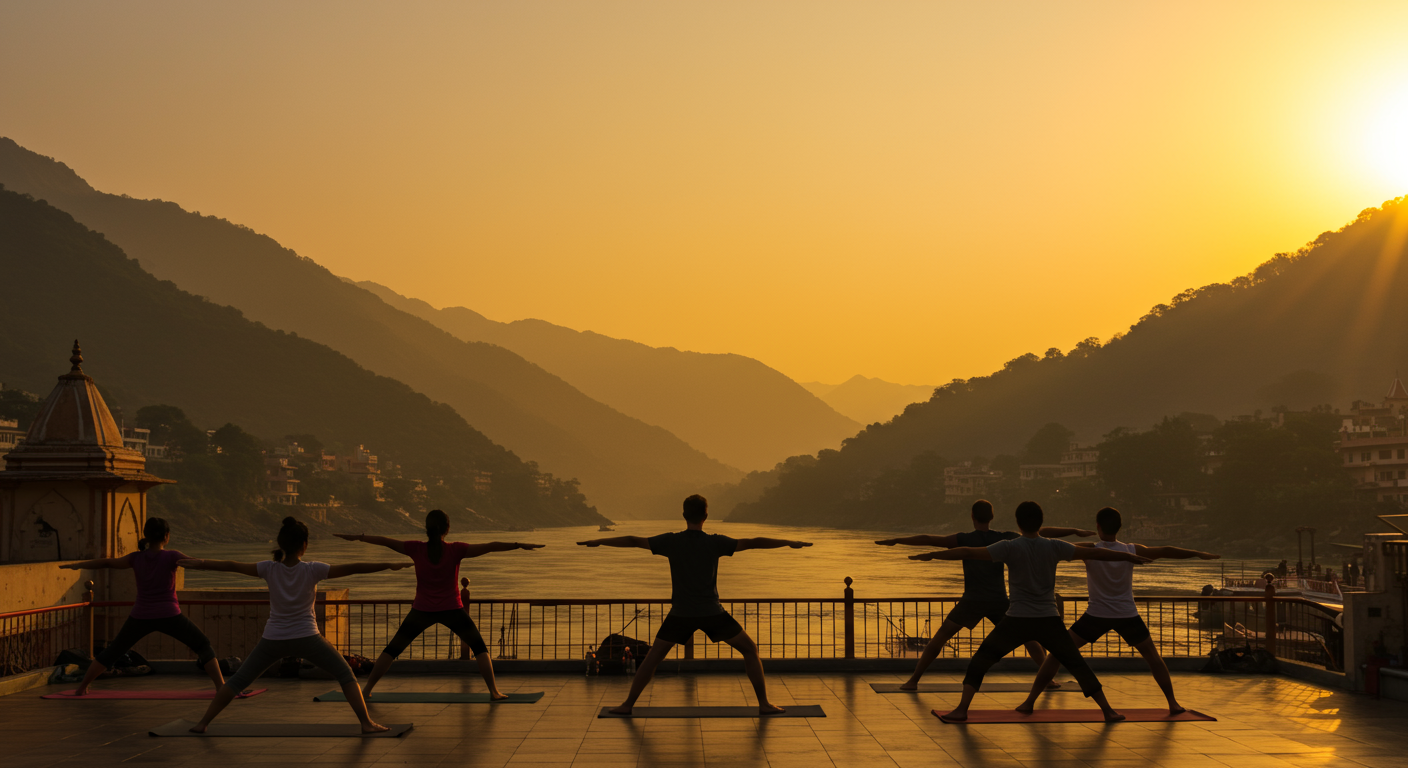
Expect a vibrant blend of ancient traditions and modern pursuits. On one hand, you have the solemnity of ashrams, the soul-stirring Ganga Aarti at Triveni Ghat, and the iconic Laxman Jhula and Ram Jhula bridges connecting bustling markets with tranquil temples. You’ll find countless opportunities for meditation, yoga, and Ayurvedic treatments. The spiritual energy here is palpable, drawing visitors from across the globe seeking inner peace and enlightenment. For a truly authentic experience, consider attending an early morning yoga session by the river, a practice many experts in Rishikesh recommend for beginners and seasoned practitioners alike.
On the other hand, Rishikesh is an adrenaline junkie’s paradise. Shivpuri, located just 19km from the main town, is the undisputed hub for white-water rafting, bungee jumping, and camping. The surrounding hills offer fantastic trekking trails, and rock climbing is gaining popularity. The contrast between these two aspects — profound spirituality and thrilling adventure — is what makes Rishikesh such a compelling destination. Understanding this duality is crucial when deciding the best time to visit Rishikesh, as certain activities are highly season-dependent.
Who Is Rishikesh Best For: A Universal Appeal
Rishikesh truly offers something for everyone. It’s ideal for solo backpackers seeking spiritual growth, couples looking for a romantic escape amidst nature, families wanting to introduce children to Indian culture and adventure, and groups of friends eager for thrills. Yoga practitioners will find world-class ashrams and teachers. Adventure seekers will revel in the rafting and trekking opportunities. Those seeking peace and quiet can discover hidden gems like the Phool Chatti Ashram Area, a serene stretch of riverbanks perfect for quiet contemplation, or explore the meditative Jhilmil Gufa caves near Neelkanth temple.
You might also be interested in: Read more about: Unveiling the Future of Spiritual & Cult…
The city’s welcoming atmosphere and diverse offerings mean that your experience will largely be shaped by the time of year you choose to visit. For instance, the serene winter months are perfect for deep spiritual dives, while the warmer spring is prime for river adventures. A small local detail: a cup of chai from a street vendor typically costs around 20-30 INR, a small price for a moment of warmth and local flavour.
Navigating Rishikesh: Your Practical Step-by-Step Guide
Once you’ve decided Rishikesh is calling, the next step is practical planning. Knowing how to get there, what to bring, and what to expect financially will smooth your journey considerably. This section provides a comprehensive “how-to” for a hassle-free trip, ensuring you can focus on enjoying the best time to visit Rishikesh.
Getting There & Around: Seamless Travel
Rishikesh is well-connected, making it accessible from various parts of India. The nearest airport is Jolly Grant Airport (DED) in Dehradun, approximately 35 km away. From the airport, you can easily hire a pre-paid taxi (around 1000-1500 INR) or take a shared auto-rickshaw to Rishikesh. The nearest railway station is Rishikesh itself, though Haridwar (about 25 km away) is a major railhead with better connectivity to larger cities. Buses are also a popular and economical option, with regular services from Delhi and other northern Indian cities. Once in Rishikesh, local travel is primarily by auto-rickshaws, shared taxis, or on foot, especially around the main market and ghats.
When considering the best time to visit Rishikesh in Rishikesh, remember that road conditions can be affected by the monsoon season (July-September), potentially causing delays. Always check weather forecasts and road reports if traveling during these months. For those seeking the best quality in Rishikesh travel arrangements, booking transportation in advance, especially during peak seasons, is highly advisable.
What to Pack & Budgeting Your Trip: Essentials for Every Season
Your packing list will significantly depend on the season. Here’s a general guide:
You might also be interested in: Read more about: Mastering Solo Travel in Rishikesh: A Sa…
- Spring (March-May): Light cotton clothes, swimwear for rafting, light jacket for evenings, sunscreen, hat.
- Summer (June): Very light, breathable clothing. Avoid direct sun.
- Monsoon (July-September): Waterproof jacket, umbrella, quick-drying clothes, sturdy waterproof footwear.
- Autumn (October-November): Light woollens, comfortable walking shoes, camera.
- Winter (December-February): Heavy woollens, thermal wear, warm jacket, comfortable walking shoes.
Regardless of the season, always carry comfortable walking shoes, a reusable water bottle, basic first-aid, insect repellent, and any personal medications. Rishikesh is a relatively affordable destination. Here’s an approximate budget for a mid-range traveler (per day, for 2026):
- Accommodation: 1000-3000 INR (guesthouses to mid-range hotels/ashrams).
- Food: 500-1000 INR (local cafes to mid-range restaurants).
- Activities (rafting, yoga classes): 800-2500 INR per activity.
- Transportation: 200-500 INR (local autos/taxis).
Insider Tip: Many ashrams offer accommodation with meals and yoga classes included, providing an excellent value for spiritual seekers. Always carry some cash, as smaller establishments might not accept digital payments.
Insider Tips & Best Practices for Your Rishikesh Journey
Beyond the practicalities, a truly memorable trip to Rishikesh involves understanding its rhythm and local etiquette. My experience has taught me that a few insider tips can transform a good trip into an extraordinary one. These insights are particularly helpful when you’re aiming for the absolute best time to visit Rishikesh.
Seasonal Secrets: When to Go for What
Choosing the best time to visit Rishikesh in Rishikesh largely depends on your priorities:
- October to Mid-November (Autumn): This is arguably the best time to visit Rishikesh for a balanced experience. The weather is pleasant and cool, perfect for both spiritual activities and adventure sports. The Ganges water level is ideal for rafting, and the air is clear for stunning mountain views. Festivals like Diwali often fall during this period, adding to the cultural vibrancy.
- February to May (Spring): Another excellent window, especially for adventure sports. The weather warms up, making rafting and trekking highly enjoyable. Yoga retreats are in full swing, and the natural beauty of the surrounding areas is at its peak. The famous International Yoga Festival usually takes place in March, attracting visitors worldwide.
- December to January (Winter): If you seek solitude and a deep spiritual experience, winter is your season. The air is chilly, but the clear skies offer breathtaking views of the snow-capped Himalayas. Crowds are thinner, and the peaceful atmosphere is perfect for yoga and meditation. Adventure activities are limited due to cold water, but the serene beauty compensates.
- June to September (Monsoon): This period is generally avoided by tourists due to heavy rainfall, which can cause landslides and make adventure sports unsafe. However, the landscape transforms into a lush green paradise, and the city takes on a mystical, introspective vibe. If you don’t mind the rain and prioritize nature photography or quiet reflection, it can be a unique, albeit challenging, time to visit.
Avoiding Pitfalls & Embracing Local Culture
To ensure a smooth trip across Rishikesh, keep these points in mind:
You might also be interested in: Explore Rishikesh Adventures on Bucketlistt
- Respect Local Customs: Rishikesh is a holy city. Dress modestly, especially when visiting temples and ashrams. Public display of affection is generally frowned upon.
- Bargain Graciously: In local markets, it’s common to bargain, but do so respectfully and with a smile.
- Stay Hydrated: Especially during warmer months, drink plenty of water. Tap water is generally not safe; stick to bottled or filtered water.
- Be Mindful of Monkeys: They are common, especially near the bridges. Avoid carrying food openly and maintain a safe distance.
- Book in Advance: During peak seasons (October-November, March-May), accommodations and popular activities like rafting can get fully booked. Secure your spots well in advance, particularly if you’re looking for top-rated in Rishikesh experiences.
- Explore Beyond the Main Hubs: While Laxman Jhula and Ram Jhula are iconic, venture out. Visit the tranquil Neelkanth Mahadev Temple in the hills or explore the less-trodden paths around Phool Chatti Ashram Area for a different perspective of Rishikesh.
My advice for a truly enriching experience is to spend at least 4-5 days here. This allows you to balance spiritual pursuits with adventure and leisure, truly appreciating all that Rishikesh has to offer, regardless of when you decide is the best time to visit Rishikesh.
For those interested in exploring the natural beauty and spiritual depth, the Jhilmil Gufa caves offer a unique opportunity for quiet contemplation, away from the usual tourist bustle. It’s a place where you can truly connect with the ancient energy of the Himalayas. Many visitors find that the serene environment of these caves is best experienced during the cooler, drier months when trekking conditions are optimal.
Considering the variety of activities and experiences, planning your visit with the seasons in mind will allow you to curate your ideal journey. Whether it’s the thrill of rafting or the peace of a meditation session, Rishikesh awaits.
Rishikesh is one of those rare destinations that genuinely delivers on its reputation — whether you come for the adrenaline, the spirituality, or simply to sit by the Ganga and think. This guide covered best best time to visit rishikesh in rishikesh, best time to visit rishikesh, best time to visit rishikesh in rishikesh, giving you the practical knowledge to plan a memorable visit. If you want a curated list of verified operators and activity packages, you can browse options on Bucketlistt.
Frequently Asked Questions about the Best Time to Visit Rishikesh
What is the absolute best time to visit Rishikesh for all activities?
The period from October to mid-November, and then again from March to May, is generally considered the best time to visit Rishikesh for a balanced experience. During these months, the weather is pleasant, ideal for both spiritual pursuits and adventure sports like rafting.
When is the best time for white-water rafting in Rishikesh?
The prime seasons for white-water rafting are from March to May and from October to November. The Ganges river levels are optimal during these times, offering thrilling yet safe rafting experiences with favorable weather conditions.
Is Rishikesh safe to visit during the monsoon season?
While Rishikesh transforms into a lush green landscape during monsoon (July to September), heavy rainfall can lead to landslides and make adventure activities risky. It’s generally advisable to avoid this period for adventure sports, but it can be peaceful for spiritual retreats if you don’t mind the rain.
What is the best time for yoga and meditation retreats in Rishikesh?
For yoga and meditation, the cooler, less crowded months of December to February offer a serene and introspective atmosphere. However, spring (March to May) is also popular, especially around the International Yoga Festival, providing a vibrant community feel.
How many days are ideal for a trip to Rishikesh?
To fully experience Rishikesh, a trip of 4 to 5 days is ideal. This allows ample time for spiritual activities, adventure sports, exploring local sights, and soaking in the unique atmosphere of this sacred city.
What clothing should I pack for Rishikesh in different seasons?
Pack light cottons for spring/summer, waterproofs for monsoon, and heavy woollens for winter. Always include comfortable walking shoes, sunscreen, and modest attire for temple visits. Your choices greatly depend on when you plan for the best time to visit Rishikesh.
Are there any specific festivals that make it the best time to visit Rishikesh?
Yes, the International Yoga Festival in March and Diwali (usually October/November) are significant events. Attending during these times offers a unique cultural immersion, though accommodation might require early booking due to increased demand.
What are the typical costs for a trip to Rishikesh in 2026?
For a mid-range traveler in 2026, expect daily costs around 2000-4500 INR. This includes accommodation (1000-3000 INR), food (500-1000 INR), local transport (200-500 INR), and one major activity (800-2500 INR). These are approximate figures for planning your trip.