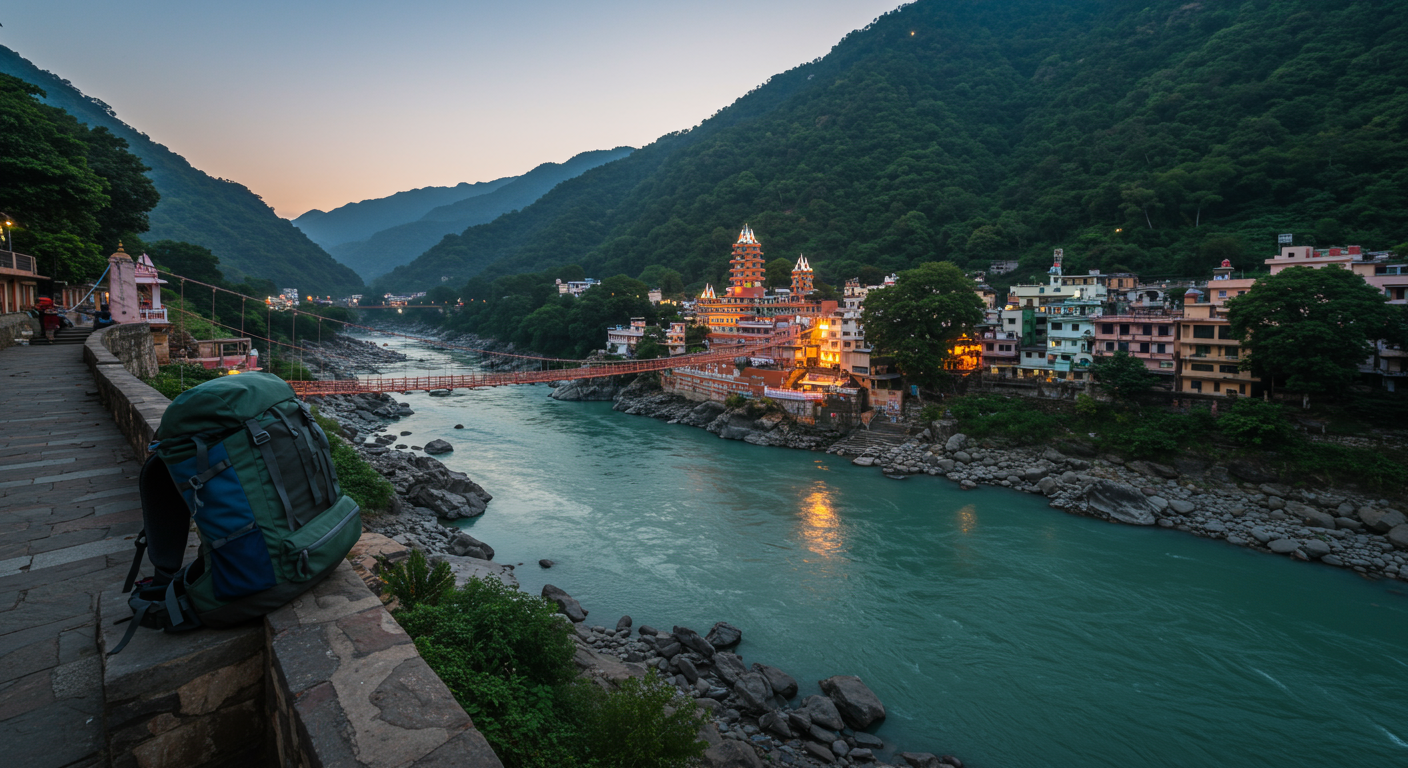
Navigating the Sacred City: Your Introduction to Rishikesh Transport
The first rays of dawn painting the Himalayan peaks, the gentle murmur of the Ganges, and the distant chants from ashrams – that’s the magic of Rishikesh. But beyond the spiritual serenity lies a practical challenge for many visitors: mastering rishikesh transport & getting around. It’s a common oversight to focus solely on accommodations and activities, neglecting the crucial aspect of how you’ll move between the vibrant ghats, peaceful ashrams, and thrilling adventure spots. This guide is designed to dissect the various modes of transport available, offering insights into tourist behavior and the most efficient ways to experience this unique destination. Whether you’re planning a serene yoga retreat or an adrenaline-fueled rafting trip for 2026, understanding the nuances of rishikesh transport & getting around will profoundly enhance your journey.
Many travelers arrive with a vague idea of walking everywhere, only to realize the distances between attractions like Triveni Ghat and Laxman Jhula can be substantial, especially under the Indian sun. This article will provide you with a comprehensive overview of how to navigate the city, from local auto-rickshaws to shared jeeps and even two-wheelers. We’ll delve into the practicalities, costs, and insider tips that will make your movement across Rishikesh seamless and enjoyable. Prepare to uncover the secrets to efficient travel, ensuring your focus remains on the spiritual and adventurous experiences that await you.
Expert Tip: Rishikesh is predominantly a pedestrian-friendly town in its core areas, but understanding the local transport ecosystem is vital for exploring beyond the main tourist hubs and truly getting to grips with the expanse of the region.
Understanding Rishikesh Transport & Getting Around: Options and Importance
Successfully navigating Rishikesh isn’t just about reaching your destination; it’s about embracing the journey, understanding local customs, and optimizing your time. Effective rishikesh transport & getting around is paramount for any traveler, especially given the city’s unique geography, split by the Ganges and dotted with attractions both central and tucked away in the surrounding hills. Without a clear plan for transportation, you might find yourself wasting precious hours or overpaying for rides. This section explains the various transport options and why choosing wisely can make all the difference to your trip in 2026.
The Diverse Landscape of Rishikesh Transportation
Rishikesh offers a surprisingly diverse range of transport options, each suited for different needs and budgets. From the ubiquitous auto-rickshaws, often seen as the lifeline of local travel, to shared jeeps that ply specific routes, and even two-wheeler rentals for the more adventurous, there’s a mode for every traveler. The key is knowing which one to choose for a particular journey. For instance, while walking is ideal for exploring the bustling lanes around Laxman Jhula and Ram Jhula, reaching the serene Neer Garh Waterfall or the secluded Jhilmil Gufa requires a motorized vehicle. Understanding this mix is fundamental to mastering rishikesh transport & getting around efficiently.
Consider the typical cost: a short auto-rickshaw ride within the main tourist zones (e.g., from Ram Jhula to Tapovan) might cost anywhere from INR 50-150, depending on your bargaining skills and the time of day. Longer distances, such as to Neelkanth Mahadev Temple, could range from INR 500-800 for a dedicated auto or taxi. These figures are approximate for 2026 and can fluctuate. Being aware of these options and their typical costs empowers you to make informed decisions and avoids being overcharged, a common concern for first-time visitors seeking best rishikesh transport & getting around in rishikesh.
You might also be interested in: Read more about: Unveiling the Soul of Rishikesh: Your Ul…
Why Efficient Movement Matters for Your Rishikesh Experience
The importance of efficient rishikesh transport & getting around cannot be overstated. It directly impacts your ability to explore, your budget, and your overall enjoyment. Imagine wanting to attend the evening Ganga Aarti at Triveni Ghat, only to be stuck in traffic or unable to find an affordable ride. Or perhaps you wish to visit the Garud Chatti Waterfall, a hidden gem, but are unsure how to reach it. A well-thought-out transport strategy allows you to maximize your time, visit more attractions, and discover the true essence of Rishikesh without the stress of logistics.
Beyond convenience, safety is another critical aspect. Knowing reliable transport options and understanding local practices can help you avoid potential scams or uncomfortable situations. For example, recognizing that shared auto-rickshaws (Vikrams) are a common and cost-effective mode of rishikesh transport & getting around in rishikesh for locals can open up new possibilities for budget travel, while also providing an authentic cultural experience. This knowledge transforms you from a mere tourist into a savvy explorer, ready to tackle any journey the spiritual city throws your way.
Mastering Rishikesh Transport: A Practical Step-by-Step Guide
Planning your movement within Rishikesh requires a strategic approach. This section offers a practical, step-by-step guide to help you navigate the city like a seasoned local. From choosing the right mode of transport to understanding costs and safety precautions, we’ll cover everything you need to know about rishikesh transport & getting around for your 2026 visit. This isn’t just about getting from A to B; it’s about making every journey an integral part of your Rishikesh adventure.
Choosing Your Ride: Options and Considerations
When it comes to rishikesh transport & getting around, your choices are varied, each with its own advantages. Here’s a breakdown of the most popular options and when to use them:
- Walking: For short distances between the main ashrams, cafes, and shops in areas like Tapovan, Laxman Jhula, and Ram Jhula, walking is often the best option. It allows you to soak in the atmosphere, discover hidden alleys, and stumble upon charming local spots. Remember, traffic can be dense, so stay alert.
- Auto-rickshaws (Tuk-tuks): These three-wheeled vehicles are ubiquitous. They are ideal for medium distances or when you’re tired of walking. Always negotiate the fare before starting your journey. A ride from Tapovan to Triveni Ghat might cost INR 100-200. Shared autos (Vikrams) are cheaper but follow fixed routes and can be crowded.
- Shared Jeeps/Taxis: For destinations further afield, such as Neelkanth Mahadev Temple or exploring areas beyond the immediate town, shared jeeps or private taxis are a good choice. You can often find these near major hubs like Laxman Jhula or the main bus stand. A shared jeep to Neelkanth can be as low as INR 50-100 per person, while a private taxi will be significantly more.
- Two-Wheeler Rentals: For those comfortable with Indian traffic, renting a scooter or motorcycle offers ultimate flexibility. Several rental agencies are available, particularly in the Tapovan area. Daily rates typically range from INR 300-600. Ensure you have a valid international driving permit and always wear a helmet. This is an excellent way to explore the less-traveled paths and discover spots like Jhilmil Gufa or Garud Chatti Waterfall at your own pace.
- E-Rickshaws: A newer, eco-friendly option for short distances, particularly in the more congested market areas. They are quieter and often cheaper than traditional auto-rickshaws.
When considering best rishikesh transport & getting around in rishikesh, factor in your budget, comfort level, and the specific attractions you plan to visit. For example, to reach the top-rated Neer Garh Waterfall, you’ll likely need an auto-rickshaw or scooter for the initial part, followed by a short hike.
You might also be interested in: Read more about: Discover the Best Trek & Temple Tours Ri…
Practical Tips for Safe and Economical Journeys
Ensuring your travels are both safe and economical requires a few practical considerations. Firstly, always confirm the fare with auto-rickshaw drivers before you begin your ride. Haggling is common and expected. For longer distances, consider hiring a taxi for the day if you’re traveling in a group, as this can be more cost-effective than multiple individual rides. Many experts in Rishikesh transport recommend using ride-hailing apps where available, as they offer transparent pricing, though their coverage might be limited outside the main town.
When renting a two-wheeler, thoroughly inspect the vehicle for any damage and take photos before you start. Always ensure the rental agreement is clear about fuel, insurance, and return conditions. For late-night travel, it’s generally safer to use pre-booked taxis or known auto-rickshaw drivers rather than hailing one off the street. Finally, carry small denominations of Indian Rupees (INR) as change can sometimes be an issue, especially with auto-rickshaw drivers. A typical meal at a local eatery might cost INR 150-300, while a bottle of water is around INR 20. These small details contribute significantly to a smooth travel experience with rishikesh transport & getting around.
Insider Tips & Best Practices for Rishikesh Travel
Beyond the practicalities, there are insider tips that can transform your experience of rishikesh transport & getting around from good to exceptional. These are the nuances that locals understand instinctively, offering a smoother, more authentic, and often more enjoyable journey. As an experienced traveler, I’ve gathered these insights to help you navigate the spiritual capital with confidence and ease in 2026.
Optimizing Your Movement: Timing and Local Secrets
Timing is everything when it comes to rishikesh transport & getting around. The early morning hours (before 8 AM) and late evenings (after 8 PM) generally see less traffic, making travel quicker and often more pleasant. During peak hours, especially around 10 AM-12 PM and 5 PM-7 PM, the main roads, particularly those leading to the bridges, can get congested. If you plan to visit popular spots like Laxman Jhula or Ram Jhula during these times, consider walking or using an e-rickshaw for shorter distances, as these can often weave through traffic more easily.
A genuine local tip for experiencing the best rishikesh transport & getting around in rishikesh is to utilize the boat services across the Ganges near the main bridges. For a nominal fee (around INR 10-20), these small boats offer a quick and scenic alternative to walking over the often-crowded bridges, especially between the Swarg Ashram and Lakshman Jhula areas. It’s not just a mode of transport; it’s an experience in itself, offering unique perspectives of the ghats and temples. Another secret is that many ashrams and guesthouses offer bicycle rentals, which are perfect for leisurely exploration of the quieter lanes and riverside paths.
You might also be interested in: Explore Rishikesh Adventures on Bucketlistt
Insider Knowledge: The pedestrian-only zones around Laxman Jhula and Ram Jhula mean you’ll need to leave vehicles at designated parking spots. Factor in a short walk to reach the bridges and the areas immediately surrounding them.
Seasonal Variations and Nearby Explorations
The seasonality of Rishikesh also impacts your rishikesh transport & getting around strategy. The monsoon season (July to September) can bring heavy rains, making some roads slippery and increasing travel time. During this period, it’s advisable to stick to sturdier vehicles and exercise caution, especially if venturing into the hills towards places like Garud Chatti Waterfall. Winter (October to February) offers pleasant weather, making walking and two-wheeler rentals particularly enjoyable. Summer (March to June) can be hot, so planning your longer journeys for early mornings or late afternoons is wise, and staying hydrated is crucial.
For exploring nearby attractions, understanding the local shared taxi system is key. You can find shared taxis or jeeps heading to destinations like Haridwar or Dehradun from the main bus stand. These are incredibly economical ways to explore beyond the immediate vicinity of Rishikesh. For a truly off-the-beaten-path experience, consider hiring a local guide who can arrange private transport to lesser-known spiritual sites or trekking routes, ensuring you get the most out of your visit to this spiritual hub. Remember that while there are many transport services in Rishikesh, not all are created equal. Always opt for registered vehicles and drivers.
Rishikesh is one of those rare destinations that genuinely delivers on its reputation — whether you come for the adrenaline, the spirituality, or simply to sit by the Ganga and think. This guide covered best rishikesh transport & getting around in rishikesh, rishikesh transport & getting around, rishikesh transport & getting around in rishikesh, giving you the practical knowledge to plan a memorable visit. If you want a curated list of verified operators and activity packages, you can browse options on Bucketlistt.
Frequently Asked Questions about Rishikesh Transport & Getting Around
What are the most common modes of rishikesh transport & getting around?
The most common modes for rishikesh transport & getting around include walking for short distances, auto-rickshaws for medium distances, and shared jeeps or taxis for longer journeys. Two-wheeler rentals are also popular for independent exploration.
Is it safe to use local transport in Rishikesh, especially for solo female travelers?
Generally, local transport in Rishikesh is considered safe. For solo female travelers, it’s advisable to opt for pre-booked taxis at night and avoid isolated areas. Always share your travel details with a trusted contact.
How much does an auto-rickshaw typically cost for rishikesh transport & getting around?
Auto-rickshaw fares vary based on distance and negotiation. A short ride within main tourist areas might cost INR 50-150, while longer trips can be INR 200-500 or more. Always negotiate the price before starting your journey.
Can I rent a scooter or motorcycle for rishikesh transport & getting around?
Yes, scooter and motorcycle rentals are widely available, particularly in the Tapovan area. Daily rates typically range from INR 300-600. Ensure you have a valid international driving permit and always wear a helmet for safety.
Are there any specific challenges with rishikesh transport & getting around during monsoon season?
During monsoon (July-September), roads can become slippery, and some routes might experience temporary closures or delays due to heavy rain. It’s best to use sturdier vehicles and allow for extra travel time during this period.
What is the best way to get from Rishikesh to nearby cities like Haridwar?
The best ways to travel from Rishikesh to Haridwar are by shared taxi, local bus, or train. Shared taxis are convenient and relatively inexpensive, departing frequently from the main bus stand.
Are ride-hailing apps available for rishikesh transport & getting around?
While some ride-hailing apps may operate in Rishikesh, their availability and coverage can be inconsistent, especially in more remote areas. Local auto-rickshaws and pre-arranged taxis often remain the most reliable options.
How can I reach attractions like Neer Garh Waterfall or Jhilmil Gufa using local transport?
To reach Neer Garh Waterfall, take an auto-rickshaw to the base, followed by a short hike. For Jhilmil Gufa, you’ll likely need to hire a private auto-rickshaw or use a rented two-wheeler, as it’s a more secluded spot near Neelkanth temple road.