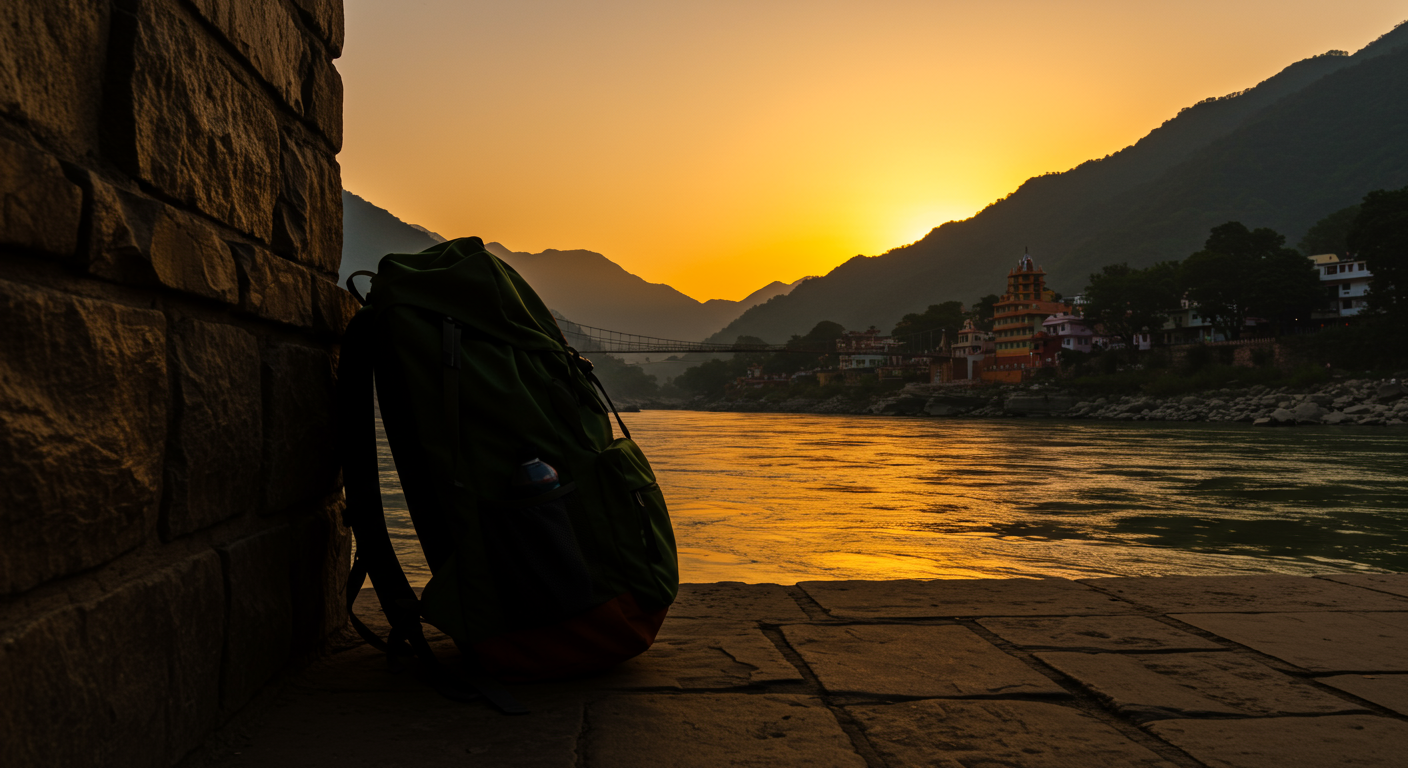
The morning mist still clings to the Ganges, carrying the faint scent of incense and the distant chime of temple bells. You’ve arrived in Rishikesh, the Yoga Capital of the World, ready for adventure, spirituality, or perhaps both. But how do you navigate this vibrant, sometimes chaotic, town? Understanding rishikesh transport & getting around is the first step to unlocking its true magic. Forget the generic tourist trails; this guide is your insider’s look into making the most of your journey here, ensuring every exploration is seamless and enriching. I’ve spent countless hours traversing its winding paths and bustling streets, and I’m here to share the practical wisdom you need to move efficiently and authentically.
This article will answer your most pressing questions about transportation in Rishikesh. We’ll delve into the various modes of travel, from local auto-rickshaws to scenic walks, and equip you with the knowledge to choose the best Rishikesh transport & getting around in Rishikesh options for your itinerary. Whether you’re seeking serene ashrams, thrilling adventures, or hidden waterfalls, knowing how to get from point A to point B comfortably and affordably is paramount. Let’s make your Rishikesh experience not just memorable, but also incredibly well-planned.
Understanding Rishikesh’s Unique Travel Landscape
Rishikesh isn’t just a single town; it’s a collection of distinct areas, each with its own vibe and accessibility challenges. From the bustling market area of Rishikesh Town to the more spiritual and tourist-centric zones like Lakshman Jhula and Ram Jhula, understanding the layout is key to efficient movement. The Ganges River acts as a natural divider, with iconic suspension bridges connecting the banks, often reserved for pedestrian traffic. This unique geography means that navigating rishikesh transport & getting around often involves a mix of walking, local shared transport, and sometimes private hires.
Why does this matter? Because a poorly planned journey can eat into your precious exploration time. Imagine wanting to visit the tranquil Neelkanth Mahadev Temple, perched high in the hills, only to realize you don’t know the best way up. Or trying to find the secluded Patna Waterfall, a true underrated gem, without proper guidance. This section will break down the essential aspects of Rishikesh’s transportation network, helping you choose wisely and travel smartly in Rishikesh.
What to Expect from Local Transport Options
The primary modes of local transport you’ll encounter are auto-rickshaws (often called ‘autos’), shared tempos (larger auto-rickshaws that operate on fixed routes), and taxis. Autos are ubiquitous and can be hailed almost anywhere. They’re ideal for short to medium distances within the main tourist zones. Always agree on a price beforehand to avoid surprises. For instance, a ride from Rishikesh Railway Station to Lakshman Jhula might cost around INR 150-250, depending on your negotiation skills and time of day. Shared tempos are a more economical option, following set routes between major points like the bus stand, Ram Jhula, and Lakshman Jhula, typically costing INR 10-30 per person. They’re great for experiencing local life but can be crowded.
Walking, however, remains one of the most rewarding ways to experience Rishikesh. Many of the key attractions like the ghats, ashrams along the river, and even the Beatles Ashram (Chaurasi Kutia) are best explored on foot, especially in the pedestrian-only bridge areas. The scenic pathways offer breathtaking views of the Ganges and allow for spontaneous discoveries. For longer distances, or if you’re carrying luggage, taxis are readily available, though pricier. They are essential for destinations further afield, such as the aforementioned Neelkanth Mahadev Temple or for exploring beyond the immediate town limits across Rishikesh.
You might also be interested in: Read more about: Ultimate Guide to Solo Travel Rishikesh:…
Who Benefits Most from Each Mode?
If you’re a budget-conscious traveler eager to immerse yourself in the local culture, shared tempos and extensive walking will be your go-to. They offer the most authentic experience and allow for flexibility. Solo travelers or small groups looking for convenience and direct routes will find auto-rickshaws invaluable for navigating between specific points. Families with young children or those with mobility issues might prefer private taxis for comfort and door-to-door service, especially when heading to places like Neer Garh Waterfall, which requires a short hike after a drop-off point. Adventure seekers and trekkers will naturally gravitate towards walking and hiring local guides for exploring hidden gems like Phool Chatti Ashram Area or the trek to Patna Waterfall.
Insider Tip: Always carry small denominations of Indian Rupees (INR). Many auto drivers or small vendors might not have change for larger notes, which can lead to unnecessary delays or overpaying.
How to Navigate Rishikesh: A Practical Step-by-Step Guide
Planning your transportation in Rishikesh is crucial for a smooth trip. This section provides actionable advice, covering everything from arrival to exploring remote attractions. Getting your rishikesh transport & getting around strategy right will significantly enhance your overall travel experience, allowing you to focus on the spiritual and adventurous aspects of your journey.
Arriving and Initial Movement
Your journey typically begins at either Dehradun’s Jolly Grant Airport (DED), Rishikesh Railway Station, or the main Rishikesh Bus Stand. Here’s how to manage your arrival:
- From Jolly Grant Airport (DED): This is the closest airport, about 20 km from Rishikesh.
- Pre-booked Taxi: The most convenient option. Expect to pay around INR 1000-1500 for a private taxi.
- Shared Taxi/Cab: Available outside the airport, you can often find others heading to Rishikesh to share costs, typically INR 300-500 per person.
- Bus: Local buses run from the airport to Rishikesh bus stand, a much cheaper option (INR 50-100) but less frequent and slower.
- From Rishikesh Railway Station: The station is quite central.
- Auto-rickshaws: Readily available outside. Negotiate fare to your accommodation (e.g., INR 100-200 to Lakshman Jhula).
- Walk: If your accommodation is within 1-2 km, walking might be feasible, but consider your luggage.
- From Rishikesh Bus Stand: Similar to the railway station, autos and shared tempos are your best bet for onward travel to your specific area.
Once you’ve settled in, familiarize yourself with the pedestrian-only zones around Lakshman Jhula and Ram Jhula. These areas are best explored on foot to truly soak in the atmosphere. For crossing the river between these areas, the bridges are the only option, making walking a necessity. This is part of the charm of Rishikesh, encouraging a slower pace of travel.
You might also be interested in: Read more about: Unlocking the Best Rishikesh Camping & S…
Exploring Beyond the Main Hubs
Many of Rishikesh’s most captivating sites, including the spiritual sanctuaries and natural wonders, lie a bit further afield. This is where strategic planning for best rishikesh transport & getting around in rishikesh truly comes into play.
- Neelkanth Mahadev Temple: Located about 32 km from Rishikesh, this ancient temple is a must-visit.
- Shared Jeeps/Taxis: Most common method. You’ll find them near Ram Jhula or Lakshman Jhula stand. A seat in a shared jeep costs around INR 150-250 per person for a round trip.
- Private Taxi: Offers flexibility, allowing you to spend as much time as you wish. Expect INR 1500-2500 for a round trip.
- Time: The drive takes about 1.5-2 hours one way due to winding mountain roads.
- Neer Garh Waterfall: A popular spot accessible via a short hike.
- Auto/Taxi: Take an auto or taxi from Lakshman Jhula to the waterfall’s entry point on the Badrinath highway (approx. INR 100-200).
- Hike: From the entry point, it’s a pleasant 1.5-2 km trek uphill to reach the various tiers of the waterfall. Wear comfortable shoes!
- The Beatles Ashram (Chaurasi Kutia): Easily accessible from Ram Jhula.
- Walk: It’s a comfortable 15-20 minute walk from Ram Jhula bridge along the eastern bank of the Ganges.
- Auto: You can also take a short auto ride if preferred, costing around INR 50-100.
- Patna Waterfall: A more secluded gem requiring a bit more effort.
- Auto/Taxi & Trek: Take an auto or taxi towards Neelkanth Road. Ask to be dropped off at the Patna village turn-off. From there, it’s a 30-45 minute trek through a dense forest to reach the waterfall. A local guide can be invaluable here.
For those seeking reliable and safe transportation, especially for longer excursions, it’s wise to consult with local experts in Rishikesh. They can provide insights into road conditions, local pricing, and even suggest combinations of destinations to maximize your day. Always ensure your driver is licensed and the vehicle is in good condition.
Insider Tips & Best Practices for Rishikesh Transport
Navigating Rishikesh like a seasoned traveler requires more than just knowing the routes; it’s about understanding the nuances, the best times, and how to avoid common pitfalls. My experience has taught me that a little foresight goes a long way in ensuring your rishikesh transport & getting around is as smooth as the Ganges flow.
Timing Your Journeys and Seasonal Considerations
The best time of year to visit Rishikesh, and consequently to experience its transport options, is from September to November and February to May. During these months, the weather is pleasant, making walking and open-air auto rides enjoyable. The monsoon season (July-August) can bring heavy rains, making roads slippery, especially towards places like Neelkanth Mahadev Temple or Patna Waterfall. During this time, shared jeeps might be less frequent or roads temporarily closed. Winter (December-January) can be chilly, so dress warmly, especially for early morning or late evening travel.
When it comes to the time of day, plan your travel to avoid peak hours. Mornings (8 AM – 10 AM) and evenings (5 PM – 8 PM) see increased traffic, particularly around the main bridges and market areas. If you’re heading out for a trek or a temple visit, an early start is always recommended. Not only do you beat the crowds, but the journey itself is often cooler and more serene. For instance, an early morning walk to The Beatles Ashram offers incredible light for photography and a more meditative experience.
You might also be interested in: Explore Rishikesh Adventures on Bucketlistt
Safety, Etiquette, and Avoiding Tourist Traps
Safety should always be your priority. When using auto-rickshaws, especially at night, try to use well-lit and busy stands. If possible, share your auto’s registration number with a friend. While Rishikesh is generally safe, it’s always better to be cautious. Regarding etiquette, a simple “Namaste” goes a long way. Drivers appreciate politeness and clear communication. Bargaining is common for auto fares, but do so respectfully. Don’t be afraid to walk away if a price feels exorbitant.
A common tourist trap involves drivers trying to take you to specific shops or hotels where they get a commission. Clearly state your destination and reiterate that you do not wish to stop anywhere else. For longer trips, consider booking a taxi through your hotel or a reputable local operator; they often provide the best quality in Rishikesh when it comes to reliable service. Always confirm the total price, including any waiting charges, before starting your journey. When exploring on foot, especially in crowded areas, be mindful of your belongings. A discreet cross-body bag is often better than a backpack for valuables.
Local Insight: For a truly unique experience, consider renting a bicycle for a day to explore the quieter lanes away from the main road. Many guesthouses and small shops offer rentals for around INR 150-250 per day. It’s an excellent way to discover the charming areas like Phool Chatti Ashram Area at your own pace, providing a different perspective on rishikesh transport & getting around.
Rishikesh is one of those rare destinations that genuinely delivers on its reputation — whether you come for the adrenaline, the spirituality, or simply to sit by the Ganga and think. This guide covered best rishikesh transport & getting around in rishikesh, rishikesh transport & getting around, rishikesh transport & getting around in rishikesh, giving you the practical knowledge to plan a memorable visit. If you want a curated list of verified operators and activity packages, you can browse options on Bucketlistt.
Frequently Asked Questions about Rishikesh Transport & Getting Around
What is the most common way to get around Rishikesh for tourists?
For tourists, a combination of walking and auto-rickshaws is the most common way to get around Rishikesh. Many central areas are pedestrian-only, and autos are readily available for connecting different zones. This mix offers flexibility and local immersion for your rishikesh transport & getting around.
Are auto-rickshaws safe in Rishikesh?
Yes, auto-rickshaws are generally safe in Rishikesh for daily travel. It’s advisable to agree on the fare beforehand and avoid isolated autos late at night. For added safety, share your auto’s details with a friend or family member if traveling alone.
How much does a taxi cost from Jolly Grant Airport to Rishikesh?
A private taxi from Jolly Grant Airport (Dehradun) to Rishikesh typically costs between INR 1000-1500 as of 2026. Shared taxis or cabs are a more budget-friendly option, usually costing INR 300-500 per person. Always confirm the price before starting your journey.
Can I walk between Ram Jhula and Lakshman Jhula?
Yes, you can absolutely walk between Ram Jhula and Lakshman Jhula. Both bridges are primarily pedestrian, and the path along the Ganges connecting them is a popular and scenic walk. It’s one of the best ways to experience the spiritual atmosphere of Rishikesh.
Is it possible to rent a scooter or motorbike in Rishikesh?
Yes, scooter and motorbike rentals are available in Rishikesh, particularly around the main tourist areas. Daily rental costs typically range from INR 300-600, depending on the model and duration. Ensure you have a valid international driving permit and wear a helmet for safety when considering this option for rishikesh transport & getting around.
How do I get to Neelkanth Mahadev Temple from Rishikesh?
The most common ways to reach Neelkanth Mahadev Temple are by shared jeep or private taxi. Shared jeeps depart from near Ram Jhula and Lakshman Jhula, costing around INR 150-250 per person for a round trip. A private taxi will offer more flexibility for approximately INR 1500-2500.
What are the best times to avoid traffic when traveling in Rishikesh?
To avoid traffic, plan your travel in Rishikesh outside of peak hours, which are typically 8 AM – 10 AM and 5 PM – 8 PM. Early mornings are ideal for peaceful journeys and cooler temperatures, especially when exploring areas that require a trek or longer drive. This helps ensure the best Rishikesh transport & getting around in Rishikesh experience.
Are there any special considerations for women traveling alone regarding transport?
For women traveling alone, it’s always recommended to opt for well-lit, busy transport stands, especially after dark. Pre-booking taxis through reputable services or your accommodation is a safer choice for longer distances. Trust your instincts, and don’t hesitate to decline a ride if you feel uncomfortable. These are important aspects of safe rishikesh transport & getting around.