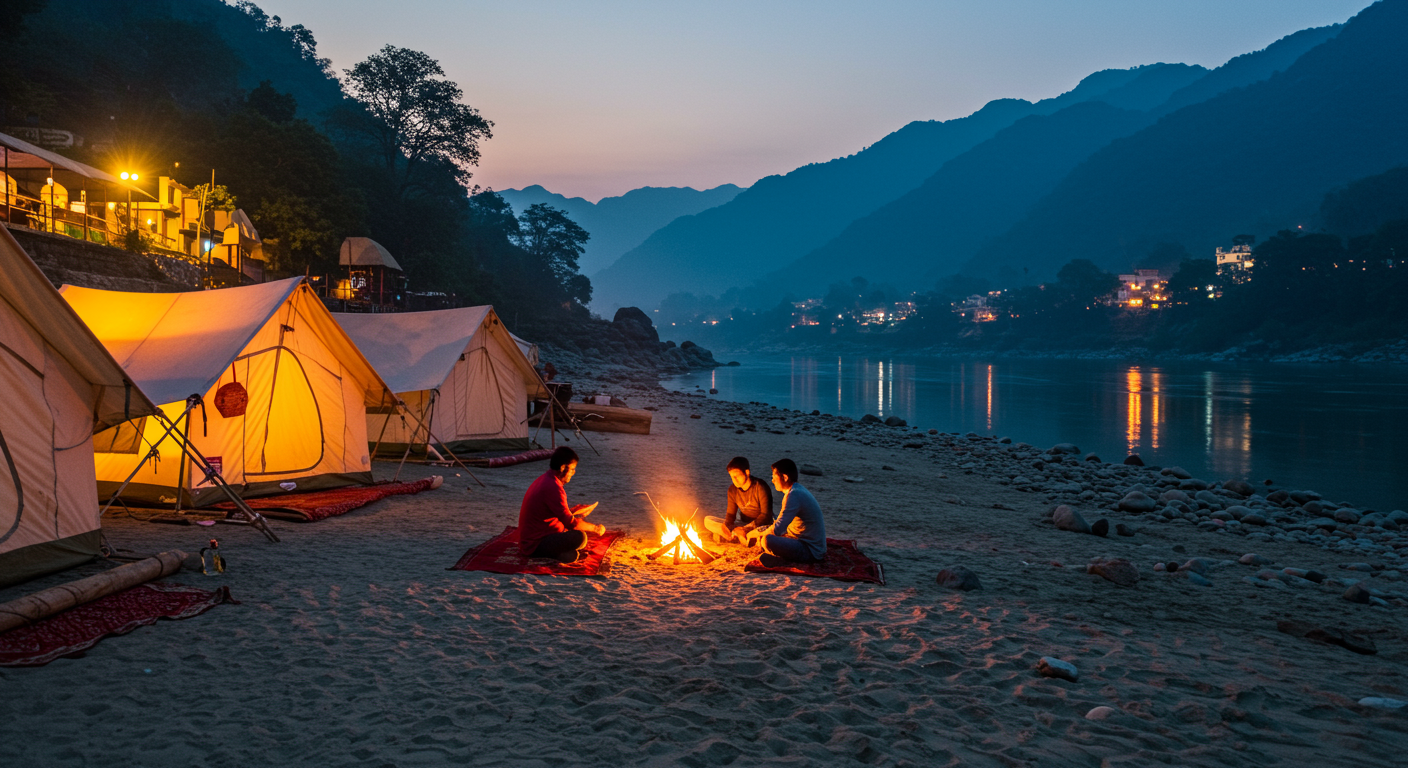
The crisp morning air carries the distant chime of temple bells, mingling with the gentle roar of the Ganges. Mist hangs lazily over the verdant foothills, promising another day of adventure and spiritual discovery. This is the awakening in Rishikesh, a place that effortlessly blends adrenaline-pumping activities with profound tranquility. Most travellers don’t realise that this spiritual heart of India offers a diverse range of accommodations, especially if you’re looking beyond traditional hotels.
If you’re planning a trip in 2026, understanding the landscape of rishikesh camping & stays is paramount to crafting an unforgettable experience. This comprehensive guide will answer all your practical questions, from choosing the right camp or stay to navigating local customs and uncovering hidden gems. Prepare to dive deep into everything you need to know to make your visit seamless and truly magical.
Embracing the Spirit of Rishikesh Camping & Stays: Why it Matters
Opting for rishikesh camping & stays is more than just finding a place to sleep; it’s about immersing yourself in the unique rhythm of this sacred town. Whether you’re a thrill-seeker, a spiritual pilgrim, or simply someone looking to disconnect from the urban grind, Rishikesh offers a lodging experience tailored to your desires. From rustic riverside tents to serene ashram accommodations, each option provides a distinct flavour of the local culture and natural beauty.
Choosing a camping or alternative stay option allows for a deeper connection with nature, often placing you right on the banks of the Ganges or nestled amidst the lush forests. It’s an opportunity to wake up to birdsong, witness breathtaking sunrises over the mountains, and participate in evening bonfires under a canopy of stars. This isn’t just about accommodation; it’s about enhancing your entire travel narrative.
More Than Just a Bed: The Rishikesh Experience
When we talk about rishikesh camping & stays in rishikesh, we’re encompassing a spectrum of experiences. At one end, you have the adventure camps, predominantly found in areas like Shivpuri, just 19km from the main town. These camps are the hub for white-water rafting, bungee jumping, and trekking, offering basic yet comfortable tents, shared facilities, and a vibrant, communal atmosphere. They cater to those who seek adrenaline and camaraderie, providing a base for daily excursions.
On the other hand, you can find eco-lodges and guesthouses that prioritize sustainable living and offer a more private, nature-oriented retreat. For a profoundly spiritual experience, staying at an ashram like Parmarth Niketan provides simple, clean rooms, wholesome vegetarian food, and access to daily yoga, meditation, and spiritual discourses. You’ll be part of a larger community, participating in the evening Ganga Aarti at Triveni Ghat or the ashram’s own ceremonies, which is an experience you won’t forget.
You might also be interested in: Read more about: Crafting Your Unforgettable Solo Travel …
Choosing Your Vibe: From Thrills to Tranquility
Deciding on your ideal rishikesh camping & stays largely depends on your travel goals. If your primary aim is adventure, look for camps around Shivpuri. These often include meal packages and sometimes even rafting trips or trekking guides. A typical adventure camp stay might cost around INR 1500-3000 per person per night, including meals and basic activities. These are perfect for younger groups or solo travellers looking for an energetic social environment.
For those seeking peace and introspection, ashram stays or quieter guesthouses near Lakshman Jhula or Ram Jhula might be more suitable. Here, the emphasis is on spiritual practices and a calm environment. Expect costs to range from INR 800-2500 for a clean, modest room. Underrated gems like the surroundings of Rishikund, a sacred ancient pond, also offer charming, less-crowded guesthouses that reflect a slower pace of life. Whatever your preference, the diverse options available across Rishikesh ensure a perfect match for your journey.
Navigating Your Rishikesh Camping & Stays: Practical Steps for 2026
Planning your trip to Rishikesh, especially when considering alternative accommodations like camping, requires a bit of foresight. Knowing the best time to visit, how to book, and what to bring can significantly enhance your experience. This section provides a practical, step-by-step guide to ensure your rishikesh camping & stays adventure is smooth and enjoyable.
From understanding transportation logistics to preparing for the local climate, every detail matters. My goal is to equip you with the knowledge to navigate Rishikesh like a seasoned traveler, ensuring you can focus on enjoying the spiritual and adventurous offerings without unnecessary stress. Let’s break down the essentials for your 2026 visit.
Planning Your Perfect Getaway: When and How to Book
The best rishikesh camping & stays in rishikesh are often booked months in advance, especially during peak seasons. The ideal time to visit Rishikesh is from October to March, when the weather is pleasantly cool and conducive to both outdoor activities and spiritual practices. Avoid the monsoon season (July to September) if you plan on rafting, as the river can be dangerous and camps often close. Summers (April to June) can be quite hot, though river activities remain popular.
You might also be interested in: Read more about: Unforgettable Family Adventures: Craftin…
Booking should ideally be done 2-3 months ahead for peak season, and at least 1 month for off-peak. Online travel portals are a good starting point, but for specific camps or ashrams, direct booking or contacting local tour operators can be more effective. Many operators offer comprehensive packages that include accommodation, meals, and adventure activities. Getting to Rishikesh is straightforward: the nearest airport is Dehradun (Jolly Grant Airport, DED), about 35 km away. Haridwar is the closest major railway station, with Rishikesh also having a smaller station. From either, taxis or shared jeeps are readily available.
Packing Smart & Staying Safe: Essential Tips for Your Stay
When preparing for your rishikesh camping & stays, think practical and versatile. The climate can vary, especially with activities like rafting where you’ll get wet. Safety is paramount; while Rishikesh is generally safe, always be aware of your surroundings, especially near the river. Here’s a checklist of essentials:
- Comfortable Footwear: Pack sturdy sandals or water shoes for river activities and comfortable walking shoes for exploring.
- Layered Clothing: Days can be warm, but evenings, especially by the river, can get chilly. Quick-dry fabrics are a bonus.
- Sun Protection: Sunscreen, a hat, and sunglasses are vital, even in winter.
- Basic First-Aid Kit: Include band-aids, antiseptic wipes, pain relievers, and any personal medications.
- Insect Repellent: Especially important for evening campfires and jungle treks.
- Reusable Water Bottle: Stay hydrated and minimize plastic waste. Many camps and cafes offer filtered water.
- Power Bank: Electricity can be intermittent in remote camps.
- Headlamp/Torch: Essential for navigating camps at night or early morning treks.
Expert Tip: Always inform your camp or guesthouse staff of your plans if you’re venturing out for treks or activities alone. Their local knowledge and connection with experts in Rishikesh can be invaluable for your safety and enjoyment.
Insider Wisdom for Unforgettable Rishikesh Camping & Stays
Beyond the typical tourist brochures, Rishikesh holds secrets best known to locals and seasoned travellers. These insider tips can transform your visit from a standard trip into a truly enriching adventure. Understanding the nuances of the destination, from underrated spots to local customs, will allow you to experience the authentic charm of this spiritual town and make the most of your chosen rishikesh camping & stays.
I’ve spent considerable time exploring the nooks and crannies of Rishikesh, and I can tell you that the true magic often lies just off the beaten path. Let me share some hard-won advice that will help you connect with the essence of Rishikesh in a way most tourists miss.
You might also be interested in: Explore Rishikesh Adventures on Bucketlistt
Beyond the Obvious: Uncovering Rishikesh’s Hidden Gems
While the main attractions like Triveni Ghat and Parmarth Niketan are a must-visit, don’t miss Rishikesh’s quieter corners. For instance, a short trek near the Neelkanth temple road will lead you to Garud Chatti Waterfall, a hidden gem perfect for those seeking solitude and a refreshing dip away from the crowds. The path itself is scenic, offering glimpses of local life and stunning natural beauty.
Another overlooked spot is Rishikund, a sacred ancient pond near the Raghunath Temple. It’s known for its unique reflection of the Shani temple, creating a serene and picturesque setting. Visiting these spots early in the morning or late afternoon can provide a peaceful experience, allowing for quiet contemplation. For the best views of the Ganga Aarti at Triveni Ghat, arrive at least an hour early to secure a good spot, or consider watching from a boat for a different perspective. These experiences truly elevate the quality of your stay, complementing your chosen rishikesh camping & stays perfectly.
Seasonal Nuances and Local Etiquette
Rishikesh transforms with the seasons, and understanding these changes will help you plan better. During the monsoon (July-September), the landscape becomes incredibly lush and green, but the river swells, making rafting unsafe. It’s a time for quiet reflection, yoga, and enjoying the misty mountains. Winter (November-February) offers clear skies and pleasant temperatures, ideal for trekking and adventure sports. Summers (April-June) are hot, perfect for cooling off in the Ganges or enjoying water-based activities.
Local etiquette is also crucial. Rishikesh is a holy town, so dressing modestly, especially when visiting temples or ashrams, is appreciated. Alcohol and non-vegetarian food are generally frowned upon and often prohibited in many areas. Always greet locals with a respectful ‘Namaste’ and be open to spontaneous conversations – some of the best insights come from these interactions. Be mindful of bargaining in local markets; while acceptable, do so respectfully. These small gestures go a long way in enhancing your experience and showing reverence for the local culture. The friendly atmosphere among the customers in Rishikesh and vendors is part of its charm.
Rishikesh is one of those rare destinations that genuinely delivers on its reputation — whether you come for the adrenaline, the spirituality, or simply to sit by the Ganga and think. This guide covered best rishikesh camping & stays in rishikesh, rishikesh camping & stays, rishikesh camping & stays in rishikesh, giving you the practical knowledge to plan a memorable visit. If you want a curated list of verified operators and activity packages, you can browse options on Bucketlistt.
Frequently Asked Questions about Rishikesh Camping & Stays
What is the best time of year for rishikesh camping & stays?
The optimal time for rishikesh camping & stays is from October to March. During these months, the weather is cool and pleasant, ideal for both outdoor activities like rafting and trekking, and for enjoying the spiritual ambiance. Summers can be hot, and monsoons bring heavy rains, which often close river activities.
Are camping sites safe in Rishikesh for solo female travelers?
Yes, camping sites in Rishikesh are generally considered safe, even for solo female travelers, especially if you choose reputable and well-reviewed operators. Many camps have security personnel and a communal atmosphere. Always inform your camp management of your plans and avoid isolated areas after dark.
What are the typical costs for rishikesh camping & stays?
The costs for rishikesh camping & stays vary widely based on the type of camp and inclusions. Basic adventure camps can range from INR 1500-3000 per person per night, often including meals and some activities. Eco-lodges or more luxurious glamping options can be higher, from INR 3500-7000. Ashram stays are typically more budget-friendly.
What should I pack for a camping trip in Rishikesh?
For a camping trip in Rishikesh, pack comfortable, quick-drying layered clothing, sturdy footwear, sun protection, and a basic first-aid kit. Don’t forget insect repellent, a reusable water bottle, and a power bank. A headlamp or torch is also highly recommended for navigating camps at night.
Can I find family-friendly rishikesh camping & stays options?
Absolutely! Many operators offer family-friendly rishikesh camping & stays with activities suitable for all ages, including lighter treks, nature walks, and safe riverside access. Look for camps that specifically mention family packages or have dedicated play areas. Always confirm the facilities and activities beforehand to ensure they meet your family’s needs.
How do I book top-rated in Rishikesh camping experiences?
To book top-rated in Rishikesh camping experiences, start by researching online travel platforms and reading recent reviews. Look for operators with strong safety records and transparent pricing. It’s often beneficial to contact a few operators directly to compare packages and inquire about specific inclusions like meals, activities, and transfers. Booking in advance, especially for peak season, is crucial.
What is the difference between camping and ashram stays?
Camping typically involves staying in tents, often by the river, focusing on adventure sports and nature immersion. Ashram stays, like those at Parmarth Niketan, offer simple room accommodations with a focus on spiritual practices such as yoga, meditation, and participation in religious ceremonies. Both offer unique experiences, catering to different travel intentions for those seeking diverse services in Rishikesh.
Are there specific rules for campers in Rishikesh?
Yes, campers in Rishikesh are generally expected to adhere to certain rules. These include maintaining cleanliness, respecting quiet hours, and often observing a no-alcohol policy in many areas. Some camps may have specific guidelines regarding bonfires or noise levels. Always follow the instructions of your camp staff and be mindful of the local environment and culture.