Embracing the Soul of Rishikesh: A Journey Begins
The scent of incense mingling with the fresh breeze from the Ganges, the distant chime of temple bells, and the gentle murmur of ancient chants – this is the immediate embrace of Rishikesh. As an experienced traveler and someone who has spent considerable time exploring its depths, I can tell you that the true magic of this ‘Yoga Capital of the World’ lies in its profound spiritual & cultural Rishikesh experiences. Most travelers arrive with a vague idea of yoga and rafting, but the real essence, the vibrant heart of Rishikesh, is often overlooked. This guide isn’t just about what to see; it’s about how to feel, how to connect, and how to truly immerse yourself in the spiritual & cultural Rishikesh that has drawn seekers for centuries. We’ll answer your practical questions, from navigating local customs to finding those truly transformative moments, ensuring your journey through Rishikesh is nothing short of extraordinary.
From the bustling ghats where pilgrims perform ancient rituals to the quiet solitude of mountain ashrams, Rishikesh offers a spectrum of experiences. It’s a place where the sacred and the adventurous coexist, where every corner holds a story, and every sunrise over the Himalayas brings a renewed sense of purpose. Prepare to discover the authentic pulse of this incredible city.
The Enduring Allure of Spiritual & Cultural Rishikesh
Rishikesh isn’t just a destination; it’s a living, breathing testament to India’s spiritual heritage. The very air here feels charged with devotion and history, making it a prime location for anyone seeking genuine spiritual & cultural Rishikesh in Rishikesh experiences. This town, nestled in the foothills of the Himalayas and bisected by the holy Ganges River, has been a sanctuary for yogis, sages, and spiritual seekers for millennia. It’s where the mighty river descends from the mountains, making it an exceptionally sacred spot for Hindus. Understanding this deep-rooted significance is key to appreciating your visit.
The Legacy of Ancient Wisdom and Modern Practice
When you step into Rishikesh, you are stepping into a tradition that stretches back thousands of years. This is the place where ancient rishis (sages) meditated, where the Vedas were chanted, and where the practice of yoga was refined. Today, this legacy manifests in countless ashrams, yoga schools, and meditation centers that line the riverbanks. You’ll find everything from traditional Hatha yoga to more modern Vinyasa flows, alongside opportunities to learn about Ayurvedic medicine and Vedic astrology. The spiritual & cultural Rishikesh is not just about observing; it’s about participating. Imagine waking up to the sound of chanting, joining a morning yoga class overlooking the Ganges, and then spending your afternoon in a philosophy lecture. This fusion of ancient wisdom and accessible modern practice creates a uniquely enriching environment. A visit to the Neelkanth Mahadev Temple, perched at 1330m with panoramic views, offers a glimpse into the profound mythology tied to Lord Shiva and the region’s spiritual tapestry.
Why Rishikesh Calls to the Modern Seeker
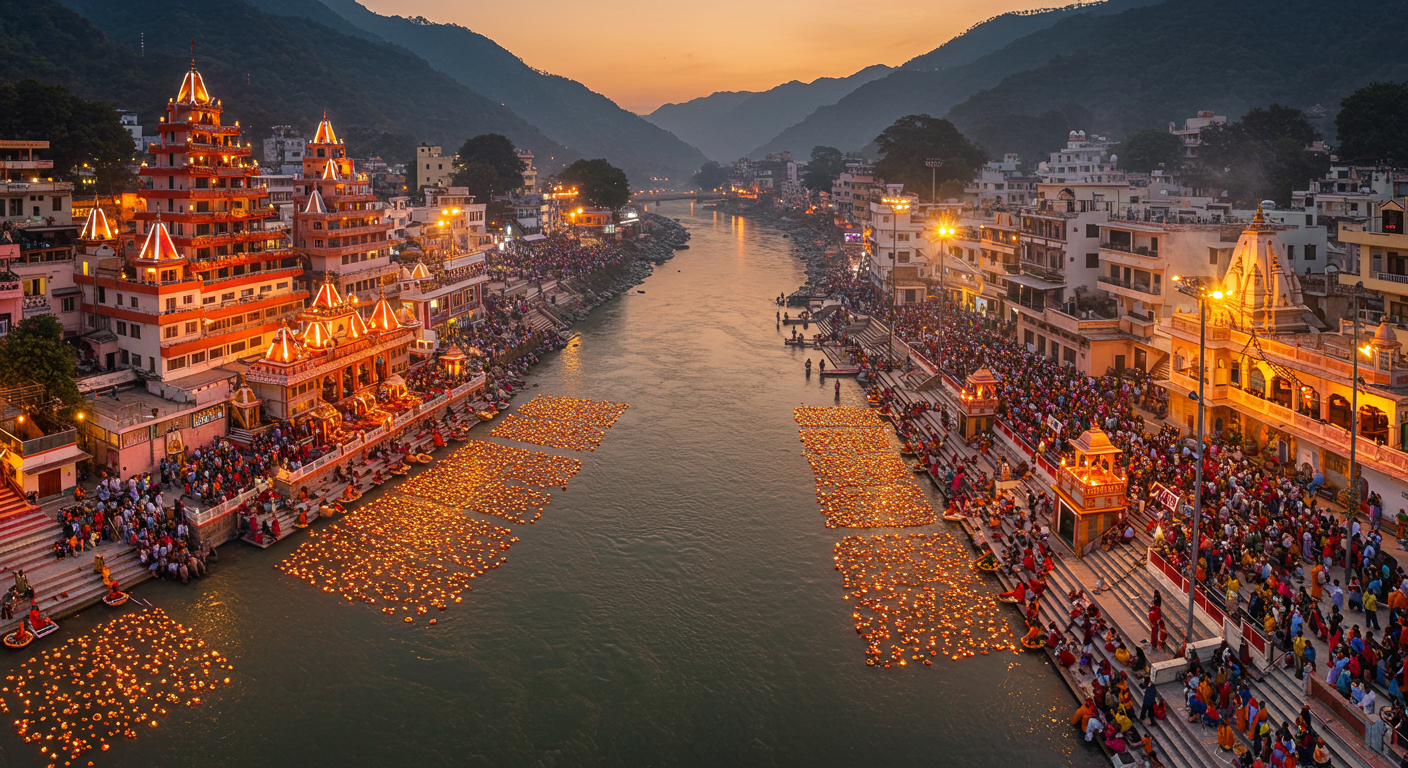
In an increasingly fast-paced world, Rishikesh offers a profound antidote. People are drawn here not just for a vacation, but for a journey of self-discovery, healing, and cultural immersion. The vibrant Ganga Aarti ceremony at Parmarth Niketan Ashram every evening, for instance, is a powerful and communal spiritual experience that costs nothing but leaves an indelible mark. Witnessing hundreds gather to offer prayers and light lamps to the Ganges is a truly moving spectacle, a cornerstone of the spiritual & cultural Rishikesh identity. Beyond the organized events, the town itself encourages introspection. The simple act of sitting by the Ganges, watching the flow of the water, can be a deeply meditative experience. For those looking to delve deeper, many ashrams offer residential programs ranging from a few days to several weeks, providing structured learning in yoga, meditation, and philosophy. The average cost for a basic yoga class is around 300-500 INR, while a full-day workshop might range from 1500-3000 INR, making spiritual exploration quite accessible.
You might also be interested in: Read more about: Conquer Gravity: The Ultimate SCAD Ju…
Experiencing the Best Spiritual & Cultural Rishikesh: A Practical Guide
To truly unlock the heart of Rishikesh, preparation is key. This section provides a practical roadmap to ensure your journey into the best spiritual & cultural Rishikesh in Rishikesh is smooth, respectful, and deeply rewarding. It’s about more than just booking a flight; it’s about understanding the rhythm of the place and preparing yourself for an authentic encounter.
Navigating Your Spiritual Journey in Rishikesh
Getting to Rishikesh is straightforward. The nearest airport is Jolly Grant Airport (DED) in Dehradun, about 35 kilometers away. From there, you can easily hire a pre-paid taxi for around 1000-1500 INR. Alternatively, trains run to Haridwar (about 25 km away), and then you can take a local bus or auto-rickshaw to Rishikesh for 200-400 INR. Once you’re in town, navigation is primarily on foot or by auto-rickshaw; distances between key areas like Laxman Jhula, Ram Jhula, and Swarg Ashram are walkable, but expect crowds and narrow lanes. When it comes to accommodation, Rishikesh offers everything from budget guesthouses (starting at 500 INR/night) to comfortable hotels and ashrams (from 1500 INR/night). Booking in advance, especially during peak season (March-June, September-November), is highly recommended for the best spiritual & cultural Rishikesh experience. Remember that many ashrams require advance booking and adherence to their daily schedules and rules.
Traveler’s Insight: Always carry small denominations of Indian Rupees (INR). Many local shops, auto-rickshaws, and small eateries in Rishikesh prefer cash, and it makes transactions smoother, especially for items under 500 INR.
For attire, modesty is paramount. Rishikesh is a holy city. Women should wear loose-fitting clothing that covers shoulders and knees. Men should also opt for modest attire. Lightweight cotton and linen are ideal for the warm climate. Comfortable walking shoes are a must, as you’ll be doing a lot of exploring on foot. Don’t forget a reusable water bottle to stay hydrated and reduce plastic waste. Safety is generally good, but always be aware of your surroundings, especially at night, and safeguard your belongings.
You might also be interested in: Read more about: Experience BUCKETLISTT Dronecraft River …
Essential Preparations for Your Cultural Immersion
To truly engage with the spiritual & cultural Rishikesh, consider what you want to achieve. Are you seeking an intensive yoga course, a silent meditation retreat, or simply to absorb the atmosphere? Research ashrams and yoga schools beforehand. For instance, the Beatles Ashram (Chaurasi Kutia), while now a serene ruin, offers a unique historical and artistic perspective on how Western culture intersected with Rishikesh’s spirituality. It’s a place for quiet contemplation and appreciating the legacy of those who sought spiritual solace here. When visiting temples or ashrams, remove your shoes before entering. Always ask for permission before taking photos of people, especially sadhus (holy men). Bargaining is common in markets, but do so respectfully. Embrace the local vegetarian cuisine – Rishikesh is a strictly vegetarian and alcohol-free zone, a policy deeply rooted in its spiritual ethos. This offers a chance to explore delicious, healthy Indian food. The time required for a meaningful visit can vary; a minimum of 3-5 days allows you to experience the main attractions and participate in some activities, but many find themselves extending their stay for weeks, drawn by the profound sense of peace and learning.
Insider Tips & Best Practices for a Deeper Connection
Having explored Rishikesh extensively, I’ve gathered some insider tips that will elevate your journey beyond the typical tourist experience, helping you discover the best spiritual & cultural Rishikesh in Rishikesh. These insights are what locals know and what seasoned travelers learn over time, making your visit truly authentic.
Optimizing Your Experience: Best Times and Local Etiquette
The best time to visit Rishikesh for spiritual and cultural activities is typically from February to May and September to November. During these months, the weather is pleasant, ideal for outdoor yoga, temple visits, and exploring the ghats. The monsoon season (July-August) brings lush greenery but also heavy rains and potential travel disruptions. Winters (December-January) can be quite chilly, especially in the mornings and evenings, though the days are often sunny. For the Ganga Aarti, arrive at Parmarth Niketan at least 30-45 minutes early (around 5:00 PM in winter, 6:00 PM in summer) to secure a good spot. This ensures you’re fully immersed in one of the most iconic spiritual & cultural Rishikesh moments.
- Embrace Silence: While Rishikesh can be bustling, seek out moments of quiet. Many ashrams offer silent meditation sessions, or simply find a peaceful spot along the Ganges.
- Learn Basic Hindi Phrases: A simple “Namaste” (hello), “Dhanyawad” (thank you), and “Kitna hai?” (how much?) goes a long way in connecting with locals.
- Respect Local Customs: Always dress modestly, remove shoes before entering temples or homes, and avoid public displays of affection.
- Stay Hydrated and Safe: Drink bottled or filtered water. Be mindful of monkeys, especially near the bridges; they can be mischievous and snatch food or belongings.
While Shivpuri is known as the hub for adventure sports like rafting, remember that even here, the spiritual & cultural Rishikesh permeates. Many rafting guides are locals who can share stories of the river’s significance, adding another layer to your adventure.
You might also be interested in: Explore Rishikesh Adventures on Bucketlistt
Underrated Gems for a Deeper Connection
Beyond the well-trodden paths, Rishikesh holds several serene spots that offer a more intimate connection to its spiritual heart. These are the places where you can truly feel the ancient vibrations and escape the crowds, providing some of the best spiritual & cultural Rishikesh experiences for the discerning traveler.
- Phool Chatti Ashram Area: Just a short ride upstream from Laxman Jhula, the area around Phool Chatti Ashram offers a quiet stretch of riverbanks and walking trails. It’s an ideal place for peaceful contemplation, birdwatching, and enjoying the Ganges away from the main city’s bustle. Spend an afternoon here, and you’ll understand why Rishikesh is considered a sanctuary.
- Vashishta Gufa (Cave): Located about 25 kilometers from Rishikesh on the Badrinath highway, this ancient cave is where the revered sage Vashishta, son of Lord Brahma, is said to have meditated for years. The atmosphere inside the cave is incredibly serene and meditative, a truly powerful spiritual spot. It’s a profound experience to sit in silent meditation where such a revered figure once sought enlightenment. There’s a small ashram nearby and a tranquil Shiva temple right on the banks of the Ganges.
- Local Markets in Old Rishikesh: While the tourist areas have their charm, venturing into the older parts of Rishikesh town, away from the main bridges, reveals bustling local markets. Here, you’ll find authentic Ayurvedic products, local handicrafts, and traditional sweets at far more reasonable prices, offering a genuine glimpse into daily life in Rishikesh.
These hidden gems, coupled with an understanding of local customs, will ensure your exploration of Rishikesh is both comprehensive and deeply personal. It’s in these quieter moments and off-the-beaten-path discoveries that the true magic of the spiritual & cultural Rishikesh truly unfolds.
Rishikesh is one of those rare destinations that genuinely delivers on its reputation — whether you come for the adrenaline, the spirituality, or simply to sit by the Ganga and think. This guide covered best spiritual & cultural rishikesh in rishikesh, spiritual & cultural rishikesh, spiritual & cultural rishikesh in rishikesh, giving you the practical knowledge to plan a memorable visit. If you want a curated list of verified operators and activity packages, you can browse options on Bucketlistt.
Frequently Asked Questions about Spiritual & Cultural Rishikesh
What is the best time of year to visit Rishikesh for spiritual activities?
Yes — Rishikesh is generally considered safe for solo travellers, including solo female travellers. The city is a popular destination with a strong tourist infrastructure, well-lit main roads, and a vibrant community of yoga and adventure seekers. As with any travel, stay aware of your surroundings, book activities through verified operators, and keep your accommodation details handy.
What should I wear and bring for adventure activities in Rishikesh?
Wear comfortable, athletic clothing that you don’t mind getting wet. Closed-toe shoes (trainers or sandals with straps) are essential for rafting and trekking. Bring a valid photo ID, some cash in INR, a change of clothes, and a small waterproof bag for your phone and valuables. Sunscreen and a water bottle are important for longer activities.
Are there age or weight restrictions for activities in Rishikesh?
Yes — most operators have safety-based restrictions. Bungee jumping typically requires participants to be 12+ years old, weigh between 40–110 kg, and have no history of heart conditions or back problems. Rafting generally accepts ages 14+ on the standard routes. Paragliding requires a weight limit of around 100–110 kg maximum. Always check the specific operator’s requirements when booking.
Do I need prior experience for white-water rafting in Rishikesh?
No prior experience is required for most Rishikesh rafting stretches. The 9 km Brahmpuri to Rishikesh route is ideal for beginners with grade I–II rapids. The 16 km Marine Drive to Rishikesh route is suitable for first-timers who want a bit more excitement (grade III rapids). The 36 km Shivpuri stretch is recommended for those comfortable in water and seeking grade III–IV rapids.
How much does a typical adventure activity cost in Rishikesh?
Costs vary by activity. River rafting typically ranges from INR 600–1,500 depending on the stretch (9 km, 16 km, or 36 km). Bungee jumping from 83 m costs around INR 3,500–4,500. Paragliding tandem flights range from INR 2,500–4,000. Camping packages with meals usually start at INR 1,500–2,500 per person per night. Always confirm what is included before booking.