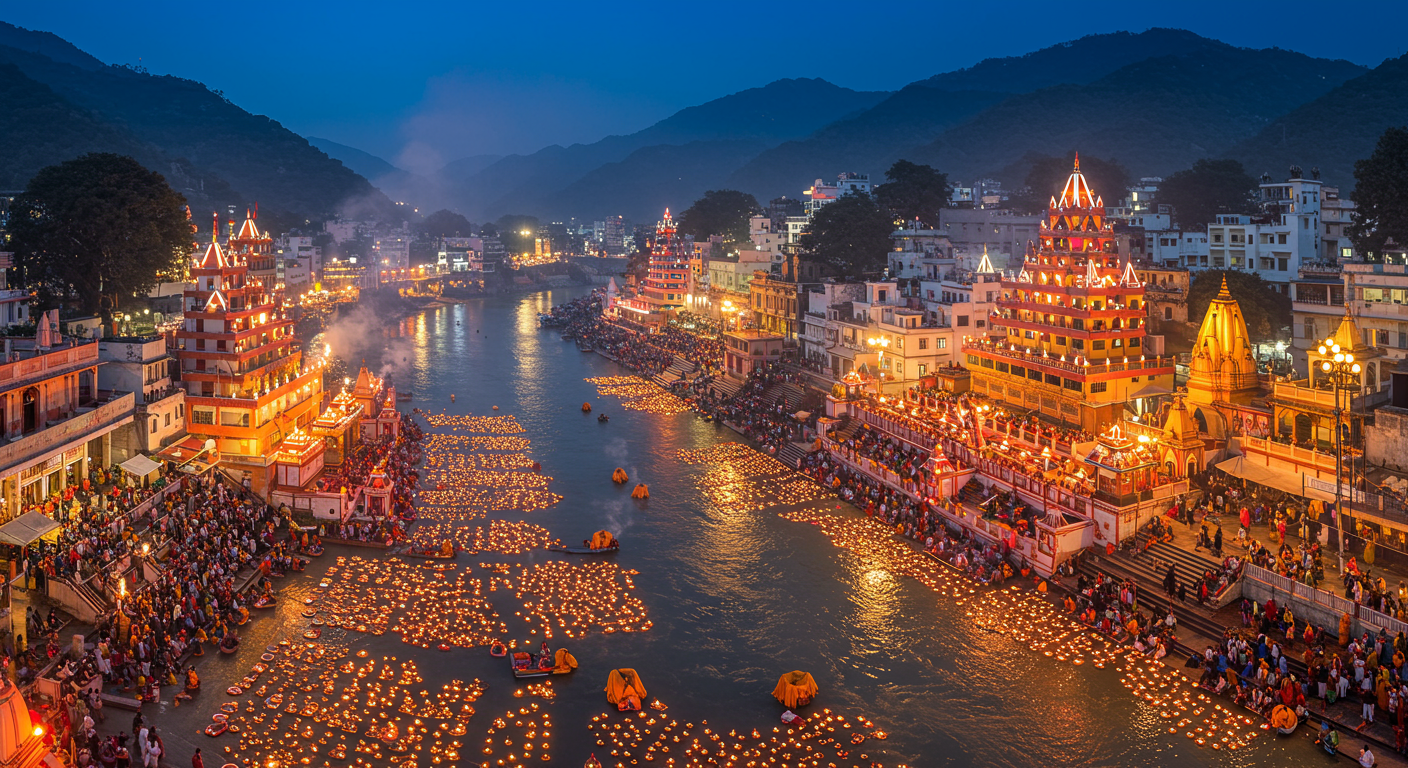
The scent of incense mingling with the crisp mountain air, the distant chime of temple bells harmonising with the gentle rush of the Ganges – this is the immediate sensory embrace of Rishikesh. Most travellers don’t realise that this “Yoga Capital of the World” offers a profound experience far beyond its popular image. It’s a place where ancient traditions meet modern seekers, creating a vibrant tapestry of discovery. If you’re planning a trip to this sacred city in 2026, understanding the true essence of spiritual & cultural Rishikesh is paramount to crafting an unforgettable journey. This guide will arm you with practical insights, insider tips, and a step-by-step approach to immerse yourself fully in the magic of Rishikesh, ensuring you answer questions like what to expect, how to navigate, and the best ways to connect with its unique energy.
Embracing the Heartbeat of Rishikesh: Why It Matters
Rishikesh isn’t just a destination; it’s an experience that resonates deep within. This holy town, nestled in the foothills of the Himalayas in Uttarakhand, is revered as a gateway to the divine. The confluence of spirituality, ancient wisdom, and breathtaking natural beauty defines the core of spiritual & cultural Rishikesh. For centuries, sages and seekers have been drawn to its powerful energy, and today, it continues to call to those looking for peace, healing, and self-discovery. Understanding this deep-rooted spiritual and cultural significance transforms a mere visit into a truly transformative journey.
What to Expect from Your Spiritual & Cultural Immersion
When you arrive in Rishikesh, you’ll find a world brimming with diverse expressions of spirituality and culture. The most iconic experience is undoubtedly the Ganga Aarti at Triveni Ghat. Every evening, as dusk settles, hundreds gather to offer prayers to the holy river. The synchronised chanting, the flickering lamps, and the collective devotion create an electrifying atmosphere that is both moving and deeply spiritual. Expect to witness sadhus (holy men) meditating by the riverbanks, pilgrims taking sacred dips, and the air filled with devotional music from various ashrams. Exploring these ashrams, like the historic Parmarth Niketan, offers a glimpse into different yoga and meditation traditions. You’ll find opportunities for daily yoga classes, philosophical discourses, and Ayurvedic treatments. The cultural fabric is also woven with vibrant markets, local handicrafts, and the distinct Garhwali hospitality. A simple, delicious vegetarian meal at a local eatery might cost you around INR 150-300, a testament to the affordability of authentic experiences here.
You might also be interested in: Read more about: Secure Thrills in Rishikesh: BUCKETLISTT…
Who Is This Journey Best For?
A journey into the spiritual & cultural Rishikesh is ideal for a wide array of travellers. It’s perfect for solo adventurers seeking introspection and personal growth, offering a safe and welcoming environment for self-discovery. Yoga enthusiasts, from beginners to advanced practitioners, will find an abundance of world-class instruction and diverse styles. Those interested in meditation, Ayurveda, and ancient Indian philosophies will discover numerous centres and gurus offering authentic teachings. Beyond spiritual pursuits, it’s also a fantastic destination for families looking for a peaceful retreat in nature, and for friends desiring a unique cultural immersion. The calm energy of Rishikesh provides a much-needed respite from the hustle and bustle of city life, making it a sanctuary for anyone craving peace and rejuvenation. For the best experiences in Rishikesh, embracing an open mind and heart is key.
Planning Your Journey: A Practical Step-by-Step Guide
Embarking on a journey to experience the spiritual & cultural Rishikesh in Rishikesh requires some thoughtful planning to ensure a smooth and enriching trip. From understanding the best time to visit to navigating local customs, this section provides a practical roadmap for your adventure. Remember, Rishikesh is a place of reverence, and preparing adequately will enhance your connection with its profound essence.
Arrival, Accommodation, and the Best Time to Visit
Getting to Rishikesh is relatively straightforward. The nearest airport is Jolly Grant Airport (DED) in Dehradun, about 35 km away. From there, taxis are readily available and cost around INR 1000-1500. Haridwar is the nearest major railway station, approximately 25 km away, with taxis costing INR 700-1000. Buses connect Rishikesh to major cities like Delhi and Haridwar. For accommodation, you’ll find everything from budget guesthouses (INR 500-1500/night) to comfortable ashrams (INR 800-2500/night, often including meals and yoga) and boutique hotels (INR 3000+/night). When considering the best spiritual & cultural Rishikesh in Rishikesh experience, timing is crucial. The ideal time to visit is from September to November and February to April. During these months, the weather is pleasant, with clear skies and comfortable temperatures (15-30°C), perfect for outdoor activities and spiritual practices. Summers (May-June) can be very hot (up to 40°C), while the monsoon season (July-August) brings heavy rainfall, making some activities challenging, though the lush green landscape has its own charm. Booking your accommodation and major activities well in advance, especially during peak season, is always a wise decision.
You might also be interested in: Read more about: Unveiling the Essential Elements of S…
Daily Immersion: What to Wear, Etiquette, and Exploration
To fully embrace the spiritual and cultural atmosphere of Rishikesh, mindful dressing and respectful behaviour are essential. Here’s a checklist to guide you:
- What to Wear: Opt for modest, comfortable clothing. Loose-fitting trousers, long skirts, and tops that cover your shoulders and knees are ideal. Lightweight cotton is best for most of the year. Remember a light shawl or scarf for temple visits or cooler evenings.
- Footwear: Easy-to-remove sandals or slip-on shoes are practical, as you’ll often need to remove them before entering temples or ashrams.
- Etiquette: Greet locals with “Namaste.” Ask for permission before photographing people, especially sadhus. Maintain a respectful demeanour in sacred spaces. Public displays of affection are generally frowned upon.
- Hydration & Food: Drink plenty of bottled or filtered water. Rishikesh is a vegetarian and alcohol-free zone, reflecting its spiritual sanctity. Embrace the local vegetarian cuisine – it’s delicious and wholesome.
- Safety Notes: While Rishikesh is generally safe, be aware of your surroundings. Avoid walking alone in dimly lit areas at night. Keep your valuables secure. Always cross the bridges (Laxman Jhula, Ram Jhula) carefully, as they can be crowded with people, bikes, and even monkeys. Monkeys are common; avoid carrying food openly.
Your daily exploration might involve waking early for a yoga session overlooking the Ganges, enjoying a sattvic breakfast, visiting temples, crossing the iconic Laxman Jhula and Ram Jhula bridges, and ending your day with the soulful Ganga Aarti. This rhythm allows for deep engagement with the local customs and spiritual practices.
Insider Tips & Best Practices for a Truly Authentic Experience
To truly unlock the magic of spiritual & cultural Rishikesh, you need to go beyond the typical tourist trails. As an experienced traveller, I can tell you that the most memorable moments often come from discovering the lesser-known spots and engaging with the local way of life. These insider tips will help you cultivate a deeper connection with Rishikesh and its people, ensuring your journey is rich with authentic encounters and profound insights.
You might also be interested in: Explore Rishikesh Adventures on Bucketlistt
Underrated Gems & Local Secrets
While Triveni Ghat and the Jhulas are must-sees, Rishikesh holds several hidden treasures that offer a unique perspective on its spiritual and cultural landscape. One such place is the Beatles Ashram (Chaurasi Kutia). This abandoned ashram, where The Beatles famously stayed in 1968, is now a serene forest reserve. Far from a commercial site, it’s a peaceful space for meditation and creative inspiration, adorned with beautiful graffiti art. The best time to visit is early morning (opens around 6 AM) to enjoy the quietude and soft light. Another gem is Rishikund, an ancient sacred pond near the Raghunath Temple. It’s believed to have been filled by the Ganges and is known for its reflection of the Shani temple. It offers a calm, less crowded alternative for quiet contemplation. For a unique riverside experience, seek out Goa Beach, a quiet white-sand stretch on the Ganges near Laxman Jhula. Popular among backpackers, it’s perfect for relaxing, reading, or simply enjoying the river’s tranquility away from the main crowds. These spots provide the best spiritual & cultural Rishikesh in Rishikesh experiences for those seeking solitude and authentic atmosphere.
Navigating Rishikesh Like a Local: Seasonal Nuances and More
Understanding the local pulse will significantly enhance your Rishikesh adventure. For transport within the town, shared auto-rickshaws (tuk-
Rishikesh is one of those rare destinations that genuinely delivers on its reputation — whether you come for the adrenaline, the spirituality, or simply to sit by the Ganga and think. This guide covered best spiritual & cultural rishikesh in rishikesh, spiritual & cultural rishikesh, spiritual & cultural rishikesh in rishikesh, giving you the practical knowledge to plan a memorable visit. If you want a curated list of verified operators and activity packages, you can browse options on Bucketlistt.
Frequently Asked Questions
What is the best time to visit Rishikesh for adventure activities?
The best time to visit Rishikesh for adventure sports is October to November and February to May. The weather is clear, the Ganges water level is ideal for rafting, and most outdoor operators are fully active. Avoid the July–September monsoon season when heavy rainfall suspends many river and outdoor activities.
Are there age or weight restrictions for activities in Rishikesh?
Yes — most operators have safety-based restrictions. Bungee jumping typically requires participants to be 12+ years old, weigh between 40–110 kg, and have no history of heart conditions or back problems. Rafting generally accepts ages 14+ on the standard routes. Paragliding requires a weight limit of around 100–110 kg maximum. Always check the specific operator’s requirements when booking.
How do I get from Rishikesh to the bungee jump or rafting starting point?
Most adventure activity start points are 15–30 km from Rishikesh town. Auto-rickshaws and shared taxis are available from Laxman Jhula and Ram Jhula areas. Many operators offer free or low-cost pickup from a central meeting point in Rishikesh — confirm this when booking. The drive through the Himalayan foothills is itself a scenic experience worth savouring.
Do I need prior experience for white-water rafting in Rishikesh?
No prior experience is required for most Rishikesh rafting stretches. The 9 km Brahmpuri to Rishikesh route is ideal for beginners with grade I–II rapids. The 16 km Marine Drive to Rishikesh route is suitable for first-timers who want a bit more excitement (grade III rapids). The 36 km Shivpuri stretch is recommended for those comfortable in water and seeking grade III–IV rapids.
What are the must-visit places in Rishikesh besides adventure sports?
Beyond the adventure scene, Rishikesh has a rich cultural and spiritual side worth exploring. Triveni Ghat hosts a mesmerising Ganga Aarti ceremony every evening at sunset — free to attend and deeply moving. Laxman Jhula and Ram Jhula suspension bridges are iconic landmarks. The Beatles Ashram (Maharishi Mahesh Yogi’s old meditation campus) is a fascinating abandoned site now open to visitors. Nearby Neelkanth Mahadev Temple is a popular pilgrimage site about 32 km away.
How much does a typical adventure activity cost in Rishikesh?
Costs vary by activity. River rafting typically ranges from INR 600–1,500 depending on the stretch (9 km, 16 km, or 36 km). Bungee jumping from 83 m costs around INR 3,500–4,500. Paragliding tandem flights range from INR 2,500–4,000. Camping packages with meals usually start at INR 1,500–2,500 per person per night. Always confirm what is included before booking.