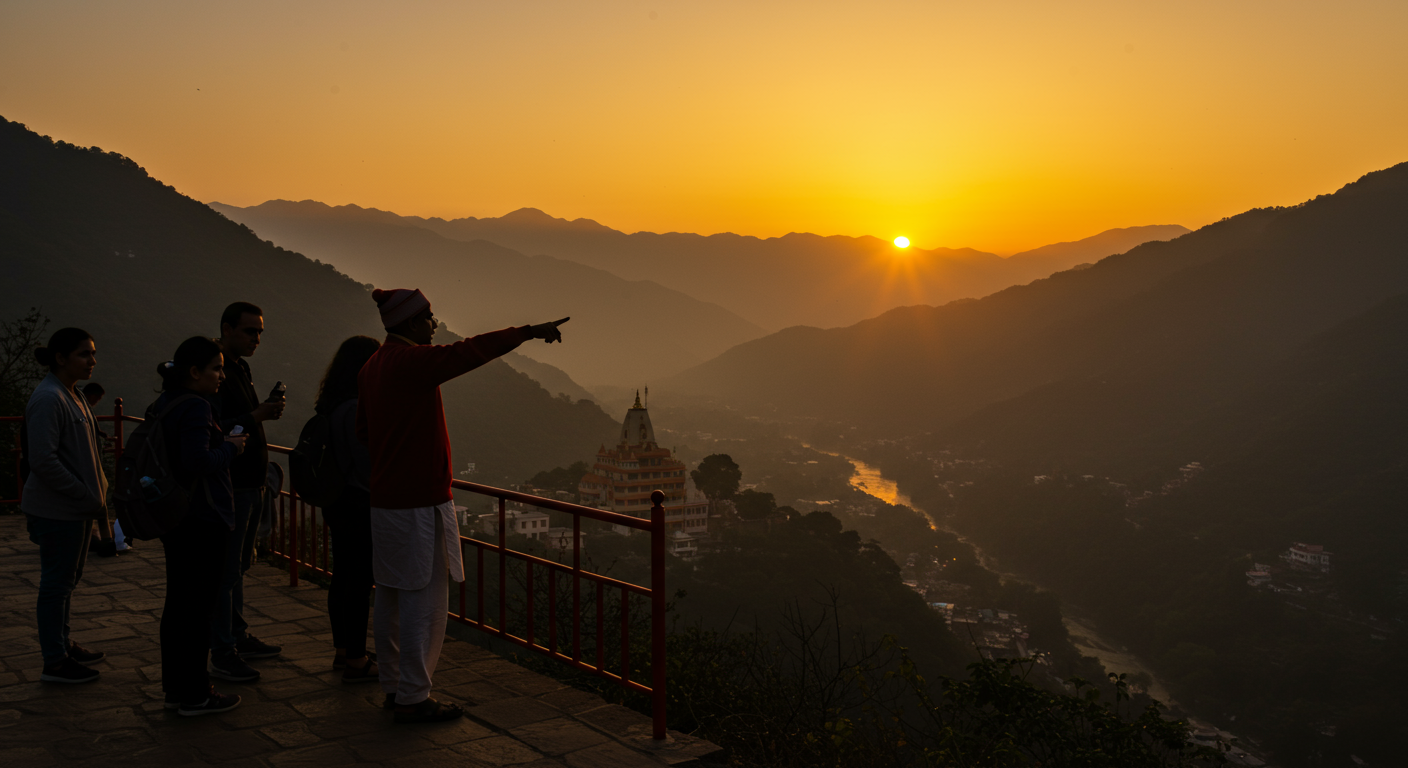
The first light of dawn painting the Himalayas, the gentle chime of temple bells echoing across the Ganges, and the crisp, clean air carrying the scent of incense – this is the magic of Rishikesh. Most travellers don’t realise that this spiritual haven and adventure hub has distinct personalities throughout the year, each offering a unique experience. Knowing the best time to visit Rishikesh isn’t just about avoiding rain; it’s about aligning your trip with your personal aspirations, whether you seek tranquil yoga, thrilling rapids, or vibrant festivals. This comprehensive guide will answer your burning questions, providing practical advice to ensure your journey to the ‘Yoga Capital of the World’ is nothing short of perfect.
I’ve spent countless seasons exploring the nooks and crannies of this incredible town, and I’ve learned that timing truly is everything. From navigating the bustling ghats to finding serene spots for meditation, your experience hinges on understanding the seasonal rhythms. We’ll delve into the ideal windows for various activities, practical considerations like what to pack, and insider tips that only a seasoned visitor would know. By the end of this article, you’ll be an expert on planning your perfect Rishikesh getaway, no matter your preferred pace or purpose.
Understanding Rishikesh’s Seasons: What It Is & Why It Matters for Your Trip
Rishikesh, nestled in the foothills of the Himalayas in Uttarakhand, experiences three primary seasons: winter, summer, and monsoon. Each brings a dramatically different landscape, climate, and set of activities. Understanding these variations is paramount because they directly impact everything from river rafting availability to the comfort of your outdoor yoga sessions. The best time to visit Rishikesh for you will largely depend on what you hope to achieve during your stay, whether it’s spiritual solace, adrenaline-pumping adventure, or simply a peaceful retreat.
For instance, the vibrant energy of spring and early summer draws crowds for white-water rafting, while the cooler, clearer days of autumn and winter are perfect for deep spiritual practices and trekking. Attempting a river rafting expedition during the peak monsoon, for example, isn’t just uncomfortable; it’s often impossible due to safety closures. Similarly, intense heat in May can make daytime exploration challenging. Therefore, aligning your visit with the season that best suits your goals is the first, most crucial step in planning an unforgettable trip.
What to Expect in Each Season
Let’s break down what each season offers, helping you pinpoint your ideal window. The period from September to November and February to April is generally considered the absolute best time to visit Rishikesh in Rishikesh for a balanced experience. During these months, the weather is pleasant, allowing for a wide range of activities without extreme temperatures.
You might also be interested in: Read more about: Crafting Unforgettable Rishikesh Itinera…
- Winter (October to February): Days are cool and sunny, with temperatures ranging from 8°C to 25°C. Nights can be quite chilly, dropping to near freezing in December and January. This season is ideal for spiritual seekers, yoga enthusiasts, and those looking for peaceful reflection. The air is crisp, and visibility for mountain views is excellent. River rafting is usually open from October, offering exhilarating experiences in cold, clear water. The Ganga Aarti at Triveni Ghat is particularly enchanting in the cool evenings. Expect hotel prices to be moderate to high during peak holiday periods like Diwali and New Year.
- Summer (March to June): Temperatures begin to rise in March, peaking in May and early June, often reaching 35°C to 40°C. While hot, the Ganges offers a refreshing escape, and this is prime time for white-water rafting. Many visitors combine rafting with camping experiences along the river. Early mornings and evenings are still pleasant for walks and yoga. However, midday can be intense, making extensive outdoor exploration less comfortable. Water levels in the waterfalls like Neer Garh Waterfall are lower but still offer a pleasant hike and cool dip.
- Monsoon (July to September): Rishikesh transforms into a lush green paradise during the monsoon, but also a challenging one. Heavy rainfall can lead to swollen rivers, making rafting impossible and often closing sections of the Ganges for bathing due to strong currents. Landslides are also a risk. Temperatures are warm (25°C to 35°C) with high humidity. While some find the misty, verdant landscape beautiful for introspection, it’s generally not the best best time to visit Rishikesh in Rishikesh for adventure activities. However, it’s a wonderfully quiet time for spiritual retreats and enjoying the rain-washed scenery from the safety of your accommodation.
Who Is It Best For? Tailoring Your Visit
Understanding your priorities is key to choosing your personal best time to visit Rishikesh. If you’re an adventure enthusiast, the post-monsoon period (October-November) and pre-summer (March-April) are your sweet spots for white-water rafting in Shivpuri, trekking to Patna Waterfall, and exploring Neer Garh Waterfall. The river levels are perfect, and the weather is conducive to outdoor activities.
For those seeking spiritual solace, yoga retreats, and quiet contemplation, the cooler months of October to March offer the most serene atmosphere. The tranquil mornings are ideal for meditation, and the pleasant daytime temperatures make exploring temples and ashrams a joy. The evening Ganga Aarti at Triveni Ghat feels particularly profound in the crisp air. If you’re an avid photographer, the clear skies of winter provide stunning panoramic views of the surrounding hills, especially from elevated viewpoints.
“While Rishikesh welcomes all year-round, the truly transformative experiences often happen when your activities align perfectly with the seasonal offerings. Don’t underestimate the impact of weather on your overall journey.”
How To Do It: Practical Step-by-Step Guide to Planning Your Rishikesh Trip
Once you’ve identified your ideal season, the next step is practical planning. Getting to Rishikesh, securing accommodation, and preparing for your chosen activities requires some foresight. This section will walk you through the essential steps, ensuring a smooth and enjoyable experience, regardless of when you decide the best time to visit Rishikesh is for you.
Getting There and Around
Rishikesh is well-connected and accessible via various modes of transport:
- By Air: The nearest airport is Jolly Grant Airport (DED) in Dehradun, approximately 35 km away. From the airport, you can easily hire a pre-paid taxi (around INR 1000-1500) directly to Rishikesh. The drive takes about 45 minutes to an hour.
- By Train: Rishikesh has its own railway station (RKSH), but it’s a smaller station. A more convenient option for many is to take a train to Haridwar (HW), which is a major railway junction, about 25 km from Rishikesh. From Haridwar, you can take a local bus, shared auto-rickshaw (vikram), or taxi (INR 400-700) to Rishikesh.
- By Road: Rishikesh is well-connected by road to major cities like Delhi (approx. 230 km), Chandigarh, and Haridwar. You can opt for state-run or private buses, which are frequent and affordable, or hire a private taxi. The journey from Delhi takes around 5-7 hours, depending on traffic and road conditions.
Once in Rishikesh, getting around is easy. Auto-rickshaws, shared vikrams, and taxis are readily available. For exploring the main spiritual and market areas around Lakshman Jhula and Ram Jhula, walking is often the best quality in Rishikesh way to soak in the atmosphere. Many ashrams and cafes are within walking distance of each other.
You might also be interested in: Read more about: Exploring the Spiritual & Cultural Rishi…
What to Pack, Costs, and Safety Tips
Your packing list will vary significantly depending on the season you choose for your visit. However, some essentials remain constant.
- Packing Essentials:
- Year-round: Comfortable walking shoes, lightweight quick-dry clothing, sun hat, sunglasses, sunscreen, insect repellent, a reusable water bottle, basic first-aid kit, and personal medications.
- Winter (Oct-Feb): Warm layers, a heavy jacket, woollen socks, gloves, and a scarf, especially for chilly evenings.
- Summer (Mar-Jun): Loose, breathable cotton clothing. Swimwear if you plan to get in the Ganges or enjoy water sports.
- Monsoon (Jul-Sep): Waterproof jacket, umbrella, waterproof footwear, and quick-drying clothes.
- Approximate Costs (per person, per day, 2026 estimates):
- Accommodation: Budget guesthouses/hostels: INR 500-1500; Mid-range hotels/ashrams: INR 2000-5000; Luxury resorts: INR 6000+.
- Food: INR 500-1500 (eating at local cafes and restaurants).
- Activities: River rafting: INR 800-2500 (depending on stretch); Yoga/meditation classes: INR 200-500 per session; Trekking guides: INR 1000-3000 per day.
- Transport: Local auto-rickshaws/shared taxis: INR 50-200 per ride.
A comfortable mid-range budget for a solo traveler would be around INR 3000-5000 per day, excluding major adventures or shopping sprees.
- Safety Tips:
- Water Safety: Be cautious when bathing in the Ganges. Strong currents can be deceptive. Avoid swimming during monsoon.
- Health: Drink only bottled or filtered water. Be mindful of street food hygiene. Carry hand sanitiser.
- Valuables: Keep your belongings secure, especially in crowded areas like ghats and markets.
- Respect Local Customs: Dress modestly, especially when visiting temples and ashrams. Remove shoes before entering religious sites.
- Scams: Be wary of unsolicited ‘guides’ or individuals offering spiritual readings or quick fixes.
Insider Tips & Best Practices for Your Rishikesh Adventure
Beyond the basics, a few insider tips can elevate your Rishikesh experience from good to truly exceptional. These insights are gathered from years of exploring and interacting with the local community, and they’re the kind of advice that helps you discover the true essence of the place.
Timing Your Activities for Maximum Enjoyment
Even within the best time to visit Rishikesh, specific times of day can make a huge difference to your experience:
You might also be interested in: Explore Rishikesh Adventures on Bucketlistt
- Early Mornings (6-8 AM): This is the golden hour. The air is fresh, the ghats are quieter, and the light is perfect for photography. Ideal for yoga, meditation, a peaceful dip in the Ganges, or exploring the bridges before the crowds arrive. This is when you’ll find the most profound spiritual energy.
- Late Afternoons (4-6 PM): Perfect for leisurely strolls, exploring the markets, or finding a spot to relax by the river. It’s also the prelude to the mesmerizing Ganga Aarti.
- Evenings (6-8 PM): The Ganga Aarti is a must-see. Arrive early at Triveni Ghat or Parmarth Niketan to secure a good spot. Afterwards, enjoy a quiet dinner at one of the riverside cafes.
- Avoid Midday (12-3 PM) in Summer: During the hotter months, this is the time to retreat indoors, perhaps for a long lunch, a massage, or simply to relax in your accommodation.
Discovering Underrated Gems and Local Secrets
While everyone flocks to Lakshman Jhula and Ram Jhula, some of the most rewarding experiences are found slightly off the beaten path. These are the spots where you can truly connect with the local vibe and find pockets of peace:
- Rishikund: Located near the Raghunath Temple, this ancient sacred pond is often overlooked. It’s famous for reflecting the Shani temple situated on its bank. It offers a tranquil escape and a glimpse into Rishikesh’s deeper spiritual history away from the main tourist circuit.
- Patna Waterfall: While Neer Garh Waterfall is popular, Patna Waterfall is a more secluded gem. Reached after a short trek through a dense forest, it provides a sense of peace and untouched nature. The trek itself is part of the adventure, leading you to a serene cascade where you can often enjoy the beauty without large crowds. It’s one of the truly hidden natural wonders across Rishikesh.
- Local Eateries: Venture beyond the main tourist cafes. Ask locals for their favourite spots for authentic Garhwali food or simple, delicious thalis. You’ll find incredible flavours at a fraction of the cost. The food services in Rishikesh are diverse, but the local dhabas offer a unique culinary experience.
“Don’t just stick to the guidebooks. The real magic of Rishikesh often lies in the impromptu conversations with locals, the unexpected turns down narrow lanes, and the quiet moments away from the bustling crowds. Be open to discovery.”
For those interested in adventure sports, seeking out reputable operators is crucial. Look for companies whose experts in Rishikesh have a strong safety record and certified guides. A little research goes a long way in ensuring a safe and memorable experience, whether it’s rafting, bungee jumping, or trekking.
Ultimately, the best best time to visit Rishikesh in Rishikesh isn’t a single date on the calendar, but a personal choice shaped by your interests. By carefully considering the seasonal variations and utilizing these insider tips, you can craft a journey that resonates deeply with your soul.
Rishikesh is one of those rare destinations that genuinely delivers on its reputation — whether you come for the adrenaline, the spirituality, or simply to sit by the Ganga and think. This guide covered best best time to visit rishikesh in rishikesh, best time to visit rishikesh, best time to visit rishikesh in rishikesh, giving you the practical knowledge to plan a memorable visit. If you want a curated list of verified operators and activity packages, you can browse options on Bucketlistt.
Frequently Asked Questions about the Best Time to Visit Rishikesh
What is the absolute best time to visit Rishikesh for all activities?
The shoulder seasons, specifically October to November and February to April, are generally considered the best time to visit Rishikesh. During these months, the weather is pleasant, allowing for both spiritual activities and adventure sports like rafting, with comfortable temperatures.
Is Rishikesh good to visit during the monsoon season?
Visiting Rishikesh during monsoon (July to September) can be beautiful for its lush greenery and quiet atmosphere. However, heavy rains often close river rafting, and trekking can be risky due to slippery trails and landslides. It’s not the best time to visit Rishikesh for adventure seekers.
When is the best time for white-water rafting in Rishikesh?
The prime seasons for white-water rafting are from mid-September to mid-November and again from early March to May. During these periods, the water levels are ideal, and the weather is warm enough to enjoy the rapids comfortably. Always check with local operators for current conditions.
What is the weather like in Rishikesh in December and January?
December and January are winter months in Rishikesh, characterized by cool to cold days and very chilly nights. Daytime temperatures range from 8°C to 25°C, but can drop to near freezing at night. It’s an excellent time for spiritual retreats and clear mountain views, but requires warm clothing.
Are there any festivals to consider when planning the best time to visit Rishikesh?
Yes, several festivals can enhance your visit. The International Yoga Festival in March is a major draw. Diwali (Oct/Nov) and Holi (Mar) bring vibrant celebrations. Plan your best time to visit Rishikesh around these if you wish to experience the local culture at its liveliest.
Is it safe to visit Rishikesh during the summer months?
Rishikesh is safe to visit during summer (March to June), but it can be very hot, especially in May and early June. Daytime temperatures can reach 40°C. It’s important to stay hydrated, seek shade during peak sun hours, and plan activities for early mornings or late afternoons.
How many days are ideal for a trip to Rishikesh?
For a comprehensive experience, a 3 to 5-day trip is ideal. This allows enough time to enjoy spiritual activities, participate in adventure sports, explore local sights like Triveni Ghat and Neer Garh Waterfall, and soak in the peaceful atmosphere. You can extend your stay if you plan a longer yoga retreat.
What should I wear when visiting temples and ashrams in Rishikesh?
When visiting temples and ashrams, it is advisable to dress modestly. This means covering your shoulders and knees. Loose-fitting, comfortable clothing made of natural fabrics is generally recommended for both comfort and respect for local customs, regardless of the best time to visit Rishikesh.